AI boom drives Apple price hikes and delays OpenAI IPO
Apple raised MacBook and iPad prices as memory costs surged, while OpenAI moved toward a 2027 IPO and Micron's quarterly revenue jumped to $41.46 billion.
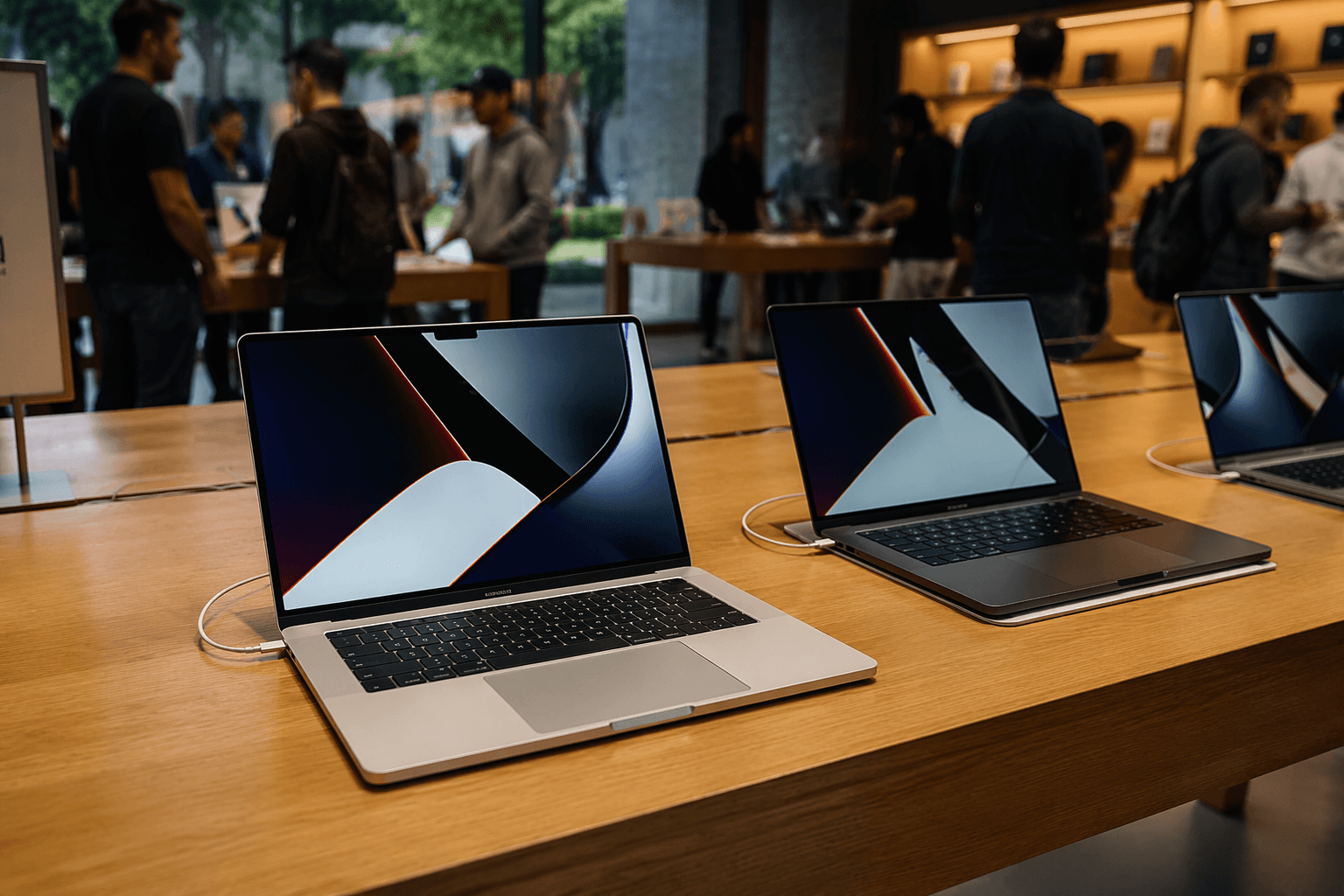
Apple raised prices on MacBooks and iPads, telling customers it could no longer absorb the soaring cost of memory and storage chips that have been pushed higher by the AI datacenter buildout. The iPhone was not included in the price increases, but the move marked one of the clearest signs yet that the artificial intelligence investment surge is reaching consumers outside the data center.
Tim Cook had already warned that higher prices were coming as memory and storage costs climbed. Apple’s decision came as the market for chips feeding AI systems tightened, forcing one of the world’s biggest hardware makers to pass at least part of the pressure on to buyers of its laptops and tablets.
The scramble for memory has been a windfall for Micron Technology. The company said revenue in its fiscal third quarter more than quadrupled to $41.46 billion, powered by demand for memory chips used in AI systems, including high-bandwidth memory in data centers. Micron’s stock rose sharply after the earnings release, underscoring how quickly investors have rewarded suppliers tied to the AI buildout even as hardware costs ripple outward.
That same boom is also reshaping the timetable for AI’s most closely watched private company. OpenAI has confidentially filed for an initial public offering, but it is now leaning toward waiting until 2027 to go public. The company had previously been seen as a potential blockbuster offering, with a valuation target of up to $1 trillion, but advisers have grown more cautious as tech stocks have swung and public markets have grown less forgiving of high-growth, high-spending names.
The concern is not abstract. The rough market debut of SpaceX added to the caution around large, attention-grabbing listings, and the volatility has made the path to public markets less certain for companies still spending heavily on infrastructure. For OpenAI, any delay would stretch the gap between its soaring private-market ambitions and the harder test of an IPO, where investors are likely to focus on the cost of building and running the systems behind the AI boom.
This article was produced by Prism’s automated news system from verified source data, official records, and press releases, then run through automated quality and moderation checks before publishing. The system is built and supervised by the people who set the standards it runs under. Read our full AI policy.
Know something we missed? Have a correction or additional information?
Submit a Tip