Start-ups race to unlock geothermal power, but economics remain uncertain
Start-ups are betting geothermal can become firm clean power, but the market still hinges on cheaper drilling, lower risk and grid-ready economics.
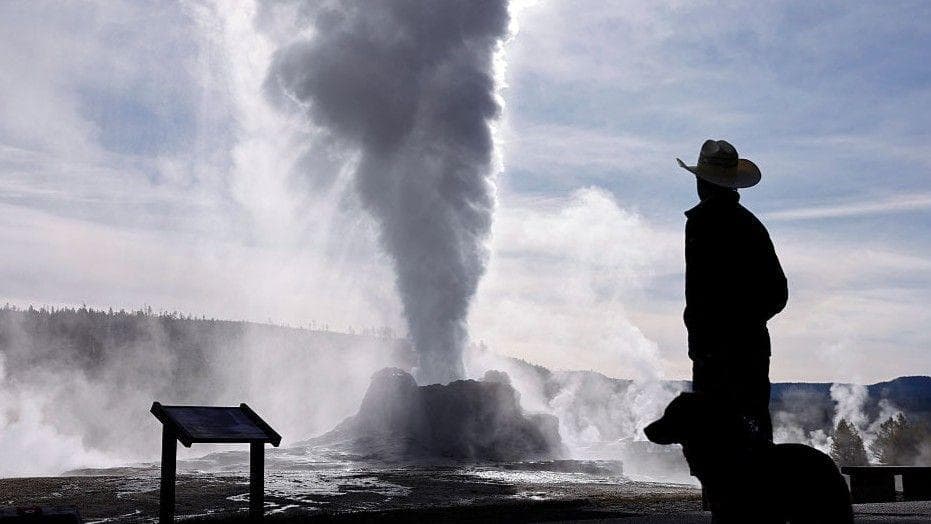
On January 30, 2024, the U.S. Department of Energy announced up to $31 million for projects tied to enhanced geothermal wellbore tools and low-temperature geothermal heat for industrial processes. Start-ups are racing to turn heat trapped below ground into dependable electricity. Geothermal can run day and night without burning fuel, but it still supplies less than 1% of global energy demand, so the industry has to prove it can drill cheaper, finance faster and connect more smoothly to the grid.
A resource with huge heat and a tiny footprint
Geothermal has been part of energy systems for more than 100 years, yet it has remained limited on a global scale because the resource is hard to reach and the technology has been constrained. That is changing as new drilling methods, better subsurface mapping and more sophisticated reservoir engineering open places that were once off limits.
In its December 2024 outlook, the IEA projected that, with continued technology improvements and lower project costs, geothermal could meet up to 15% of global electricity demand growth to 2050. In that outlook, China, the United States and India together account for almost three-quarters of the global market potential for next-generation geothermal electricity.
Geothermal could provide firm electricity in nearly all countries if technology and policy improve enough to reduce risk and make projects bankable.
Enhanced geothermal is the sector’s main bet
Enhanced geothermal systems, or EGS, are the next frontier for deployment. Instead of depending only on naturally permeable hot water systems, EGS creates human-made geothermal reservoirs in hot rock, widening the list of places that can support power generation.
The DOE backed that shift in February 2024 with up to $60 million for three EGS demonstration projects in different geologic settings. Later in 2024, the department selected a $14 million project led by the Pennsylvania Department of Environmental Protection to test EGS in the Appalachian Utica Shale by converting a horizontal shale gas well to geothermal.
The geothermal push is borrowing from oil-and-gas drilling know-how, not rejecting it. The point is to repurpose the tools, the crews and the subsurface discipline that made shale drilling economical, then apply them to a low-carbon resource that does not have to wait for sun or wind.
The IEA estimates that the amount of electricity that could be technically generated worldwide by EGS for less than $300 per megawatt-hour is about 300,000 EJ.
The economics still decide everything
The central question is whether geothermal can beat its own cost structure. Projects are capital-intensive, drilling is risky, and the first wells can make or break the economics of a field. That is very different from solar, where panel manufacturing is standardized and deployment is fast, and from wind, where turbines can often be financed and installed with more predictable timelines.
Lazard’s 2025 LCOE+ report lists emerging technologies such as geothermal among the resources expected to help diversify future power systems, even as renewables remain the most cost-competitive form of new-build generation on an unsubsidized basis. In other words, solar and wind still set the price benchmark, while geothermal has to justify itself on firmness, land use, resource diversity and value to the grid.
Gas is the other reference point. A gas plant can provide reliable power, but it depends on fuel prices and carries carbon exposure that is increasingly hard to ignore. Geothermal’s appeal is that it can look more like a 24-hour power asset than a weather-dependent one, which is why developers see it as a potential fit for data centers and grid operators that need steady output.
Why investors are paying attention now
The investment case depends on whether digital tools and better drilling can cut uncertainty fast enough. Startups and their backers are betting that more precise subsurface imaging, better well design and closer collaboration with oil-and-gas specialists can bring costs down and reduce the chance of a dry or underperforming well.
Policy will shape how quickly that happens. Clearer geothermal rules could reduce risk perception and unlock new investment, because lenders and equity investors usually reward technologies that can point to repeatable construction, predictable resource output and a path to scale. The DOE’s funding rounds in 2024 help bridge the gap between promising prototypes and commercial projects.
This article was produced by Prism’s automated news system from verified source data, official records, and press releases, then run through automated quality and moderation checks before publishing. The system is built and supervised by the people who set the standards it runs under. Read our full AI policy.
Know something we missed? Have a correction or additional information?
Submit a Tip