Economists expect Fed to hold rates through 2026, despite market bets
Rate futures still point to at least one Fed hike, but 72 of 102 economists now see the central bank standing pat through year-end.
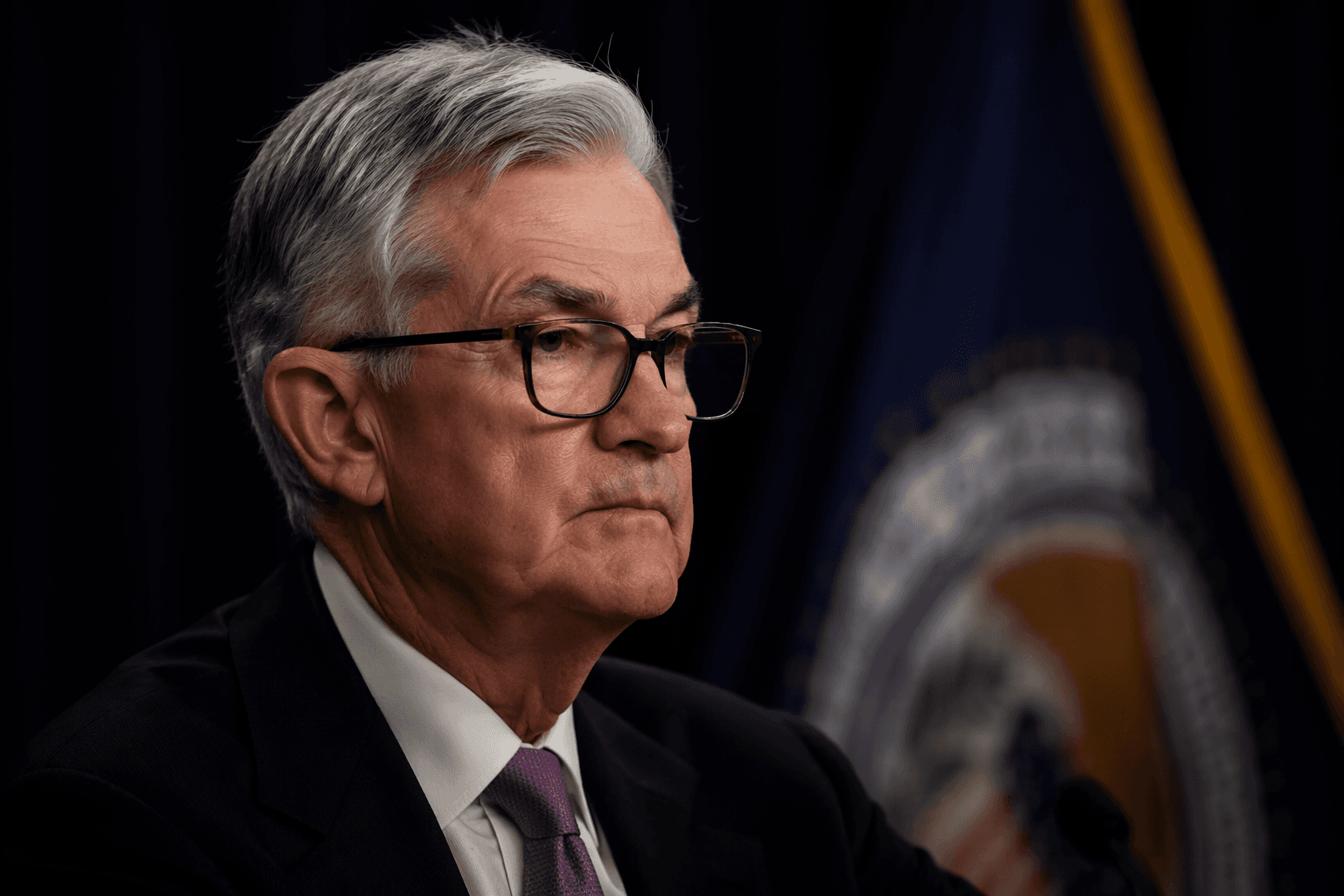
Interest-rate futures were still pricing at least one Federal Reserve hike by the end of 2026, even as 72 of 102 economists in a Reuters poll expected no change through year-end. The split reflects a market that is still uneasy about inflation, while forecasters are increasingly betting the Fed will choose caution over another move.
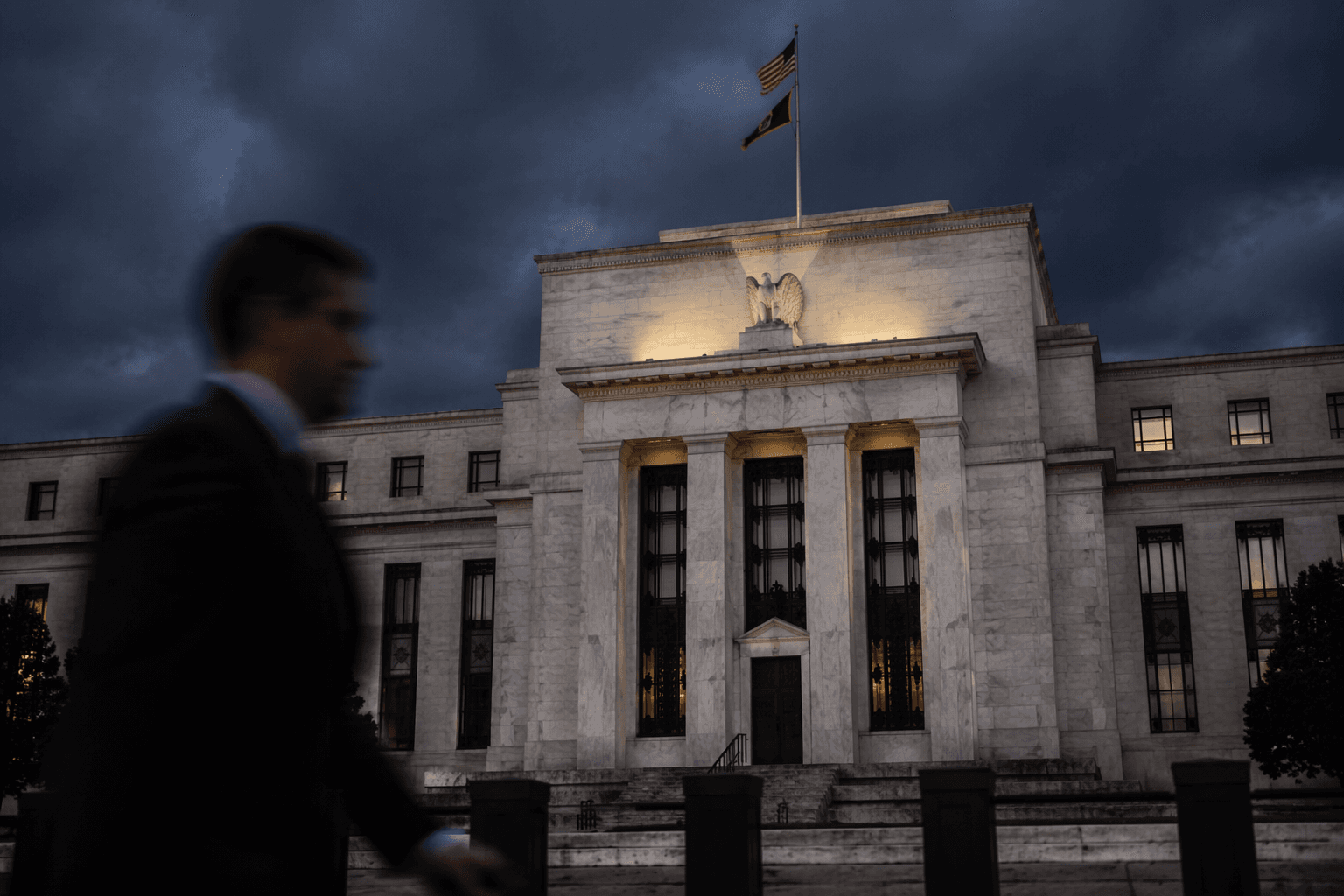
The Fed left its benchmark rate in a 3-1/2% to 3-3/4% target range on June 17 in a 12-0 vote, and policymakers said they would keep assessing incoming data, the outlook and the balance of risks. Inflation is still running above 4%, more than three years high and double the Fed’s 2% objective, but growth has remained solid and labor-market conditions have continued to improve. That combination has made the case for either a cut or a hike harder to build.
Energy prices have also shifted the outlook. Brent crude fell to around $73 a barrel on June 25, near levels seen before the U.S.-Israeli war with Iran began, after expectations of rising supply from the Middle East outweighed demand concerns. At one point, Brent hovered just below the settlement price from the eve of the first U.S.-Israeli strikes on Iran, easing one source of inflation pressure that had worried traders earlier in the year.
For households and businesses, a prolonged pause would keep borrowing costs elevated. Mortgage rates, credit-card bills, auto loans and corporate financing would all remain tied to a Fed that is not signaling relief anytime soon. Governments financing infrastructure projects would face the same backdrop, while investors in rate-sensitive stocks would have to keep recalculating valuations against a higher-for-longer policy path.
The Reuters poll suggests that economists now see that path as the base case: not aggressive easing, not renewed tightening, but a longer stretch of inaction while inflation remains stubborn and the economy stays resilient. The June 17 statement said economic activity is expanding at a solid pace despite elevated uncertainty tied in part to the Middle East conflict, giving policymakers room to wait for more evidence before changing course.
This article was produced by Prism’s automated news system from verified source data, official records, and press releases, then run through automated quality and moderation checks before publishing. The system is built and supervised by the people who set the standards it runs under. Read our full AI policy.
Know something we missed? Have a correction or additional information?
Submit a Tip