AI boom drives record borrowing as tech races to fund data centers
AI builders are tapping debt and equity at record speed, with hyperscalers topping $100 billion in bond issuance and Alphabet lifting equity plans to $84.75 billion.

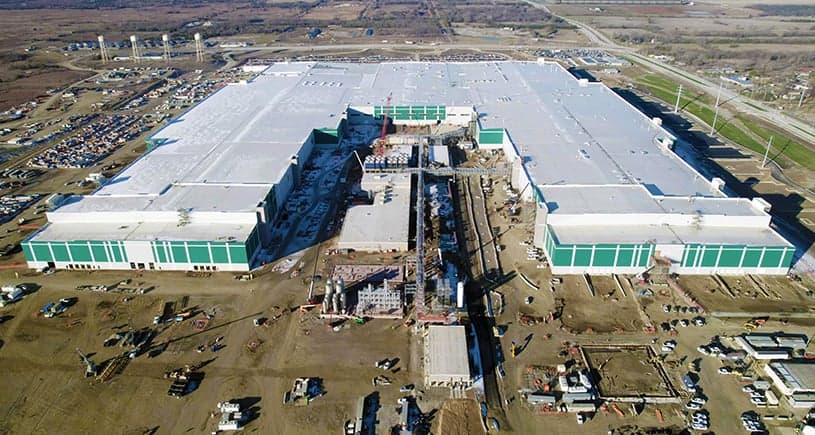
The artificial intelligence race has turned into a capital arms race. SpaceX, Alphabet and other tech giants are pulling in cash and equity at a pace not seen in decades as they try to secure land, chips and power for data centers that could define the next phase of the industry.
The scale is now visible in the financing data. The Bank for International Settlements said in March 2026 that hyperscalers’ gross corporate bond issuance topped $100 billion in 2025, and that a rising share of AI spending is being funded through borrowing rather than operating cash flow. It warned that some of the buildout is starting to look like “shadow borrowing,” with off-balance-sheet vehicles backed by private credit and other institutional investors.
Wall Street is adjusting to the size of the bill. Goldman Sachs raised its combined capital spending forecast for Meta Platforms, Microsoft, Amazon and Alphabet to $5.3 trillion for fiscal 2025 through 2030, up from $4.5 trillion, as it said private infrastructure and real estate capital will play a larger role in financing the AI-driven data-center boom. That shift matters because it broadens the pool of winners beyond the technology companies themselves to lenders, private credit funds, infrastructure investors and landlords with the right land and power access.
Alphabet has been at the center of that scramble. Reuters reported on June 3 that the company increased its planned equity offerings to $84.75 billion, including an investment from Berkshire Hathaway, underscoring strong investor appetite for the infrastructure spending needed to support AI computing power. Meta, Oracle and other technology companies have also raised $250 billion in debt markets globally this year, according to Reuters.

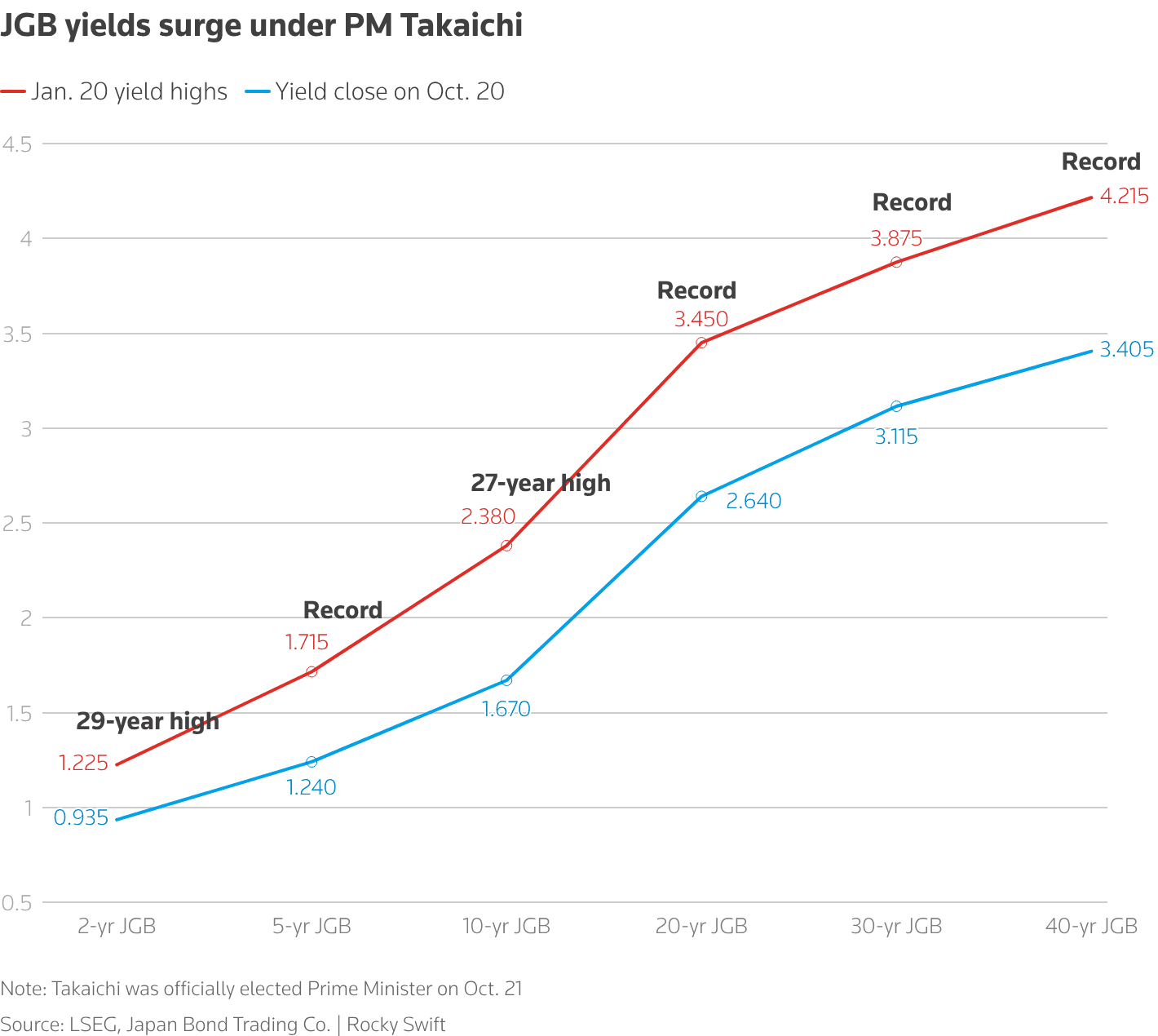
The borrowing wave is already reverberating beyond Silicon Valley. Morgan Stanley projected AI-related global debt issuance could reach nearly $570 billion in 2026, while Reuters reported that the heavy financing is helping push up long-term Treasury yields. That raises the cost of capital for borrowers across the economy, not just for the companies building AI infrastructure.
The bet is straightforward: if AI spending produces the earnings growth investors expect, the firms raising money now will have locked in a decisive lead. If revenues lag the borrowing, the same financing binge could leave lenders, equity holders and private credit investors exposed, with the most ambitious data-center projects becoming symbols of overextension rather than technological triumph.
This article was produced by Prism’s automated news system from verified source data, official records, and press releases, then run through automated quality and moderation checks before publishing. The system is built and supervised by the people who set the standards it runs under. Read our full AI policy.
Did this article answer your question?