AI boosts demand for liberal arts skills in U.S. jobs
AI is not shrinking the need for human talent. Seven in 10 employers still call analytical thinking essential, and they are valuing liberal arts skills again.
Artificial intelligence is reshaping hiring in the United States, but the clearest winner may be the worker who can do what machines still cannot: judge, explain, adapt and connect ideas. Employers are increasingly signaling that the new premium is not just on technical fluency, but on analytical thinking, communication and judgment, skills long associated with liberal arts training.
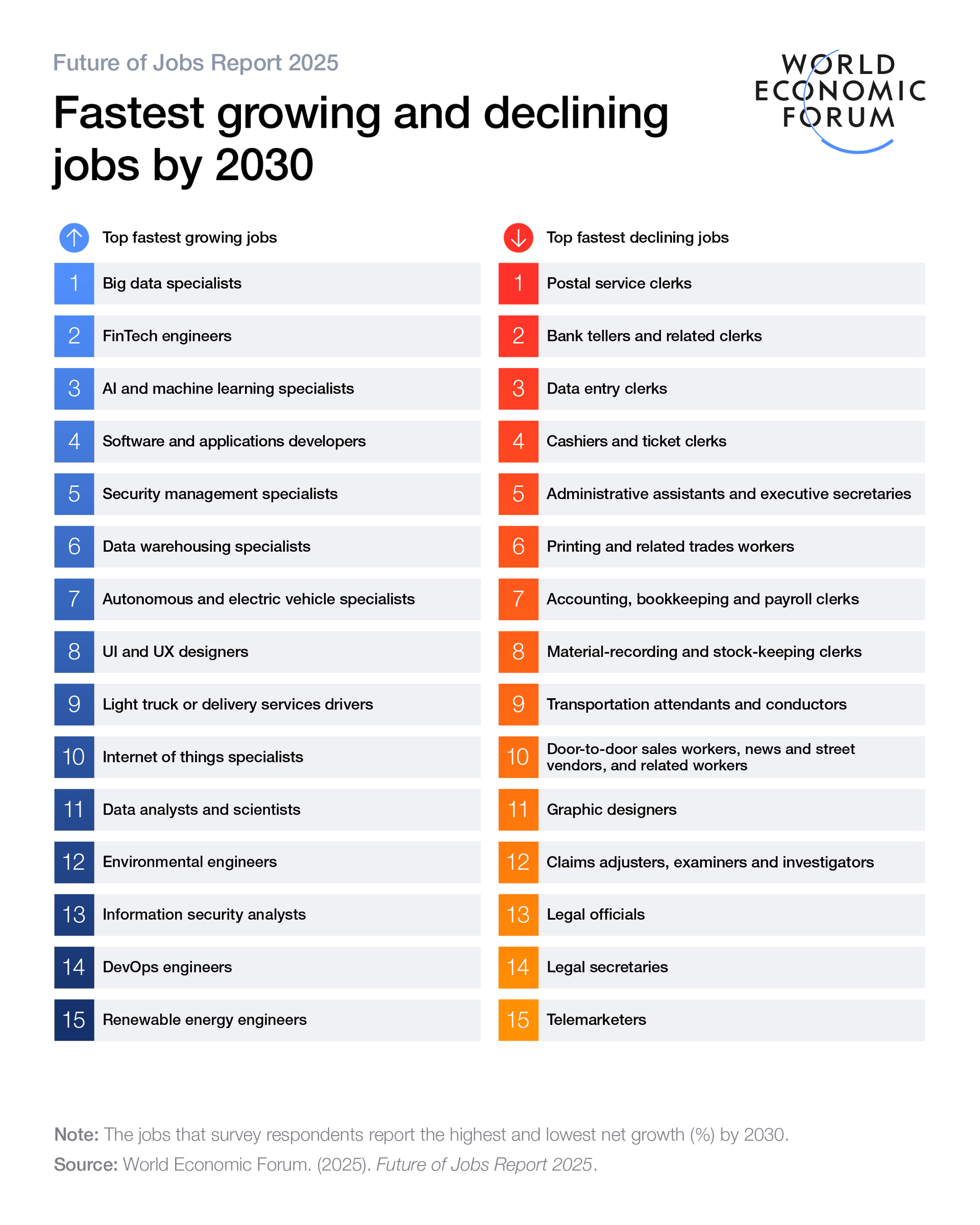
The World Economic Forum’s Future of Jobs Report 2025 puts hard numbers behind that shift. Analytical thinking remained the top core skill employers wanted, with seven in 10 companies calling it essential. The survey drew on responses from more than 1,000 employers, representing more than 14 million workers across 22 industry clusters and 55 economies. The forum also said technological skills are expected to rise faster than any other category through 2030, but human-centered capabilities remain critical as workplaces absorb more automation.
That paradox is showing up in entry-level hiring language too. A 2025 U.S. Chamber of Commerce report found employers highly value critical thinking and communication in new hires, while 80% of hiring managers said current high school graduates are less prepared for work than previous generations. In practice, “critical thinking” now means more than solving a textbook problem. It often means weighing messy information, writing clearly, speaking with confidence, and making a defensible call when there is no obvious answer.
Wake Forest University career expert Andy Chan said in April 2026 that AI is effectively “resurrecting” the liberal arts for the Class of 2026. His point reflects a widening gap between what employers say they need and what many graduates believe they can prove. Wake Forest cited AAC&U research showing 96% of employers value constructive dialogue, but only 34% say recent graduates are very well prepared in critical thinking and communication.
The hiring market is not abandoning technical skills. Resume Genius reported in 2025 that 8 in 10 hiring managers prioritize AI-related skills, and 48% said they use AI to screen resumes before a human reviews them. Coursera’s 2026 Job Skills Report adds another sign of pressure: critical thinking enrollments rose 120% year over year across analyzed career areas, suggesting workers are racing to close the gap.
That mix of signals favors graduates and workers who can combine breadth with adaptability. Liberal arts majors, multidisciplinary students and employees who can move between data, writing and client-facing work are likely to gain an edge as companies use AI for routine tasks and reserve human judgment for the decisions that matter most.
This article was produced by Prism’s automated news system from verified source data, official records, and press releases, then run through automated quality and moderation checks before publishing. The system is built and supervised by the people who set the standards it runs under. Read our full AI policy.
Did this article answer your question?