AI chip boom strains Sandia’s supply of nuclear computing power
Sandia is widening its chip base as AI demand pulls Nvidia and AMD away from supercomputing. Its nuclear simulation systems are now testing NextSilicon hardware.
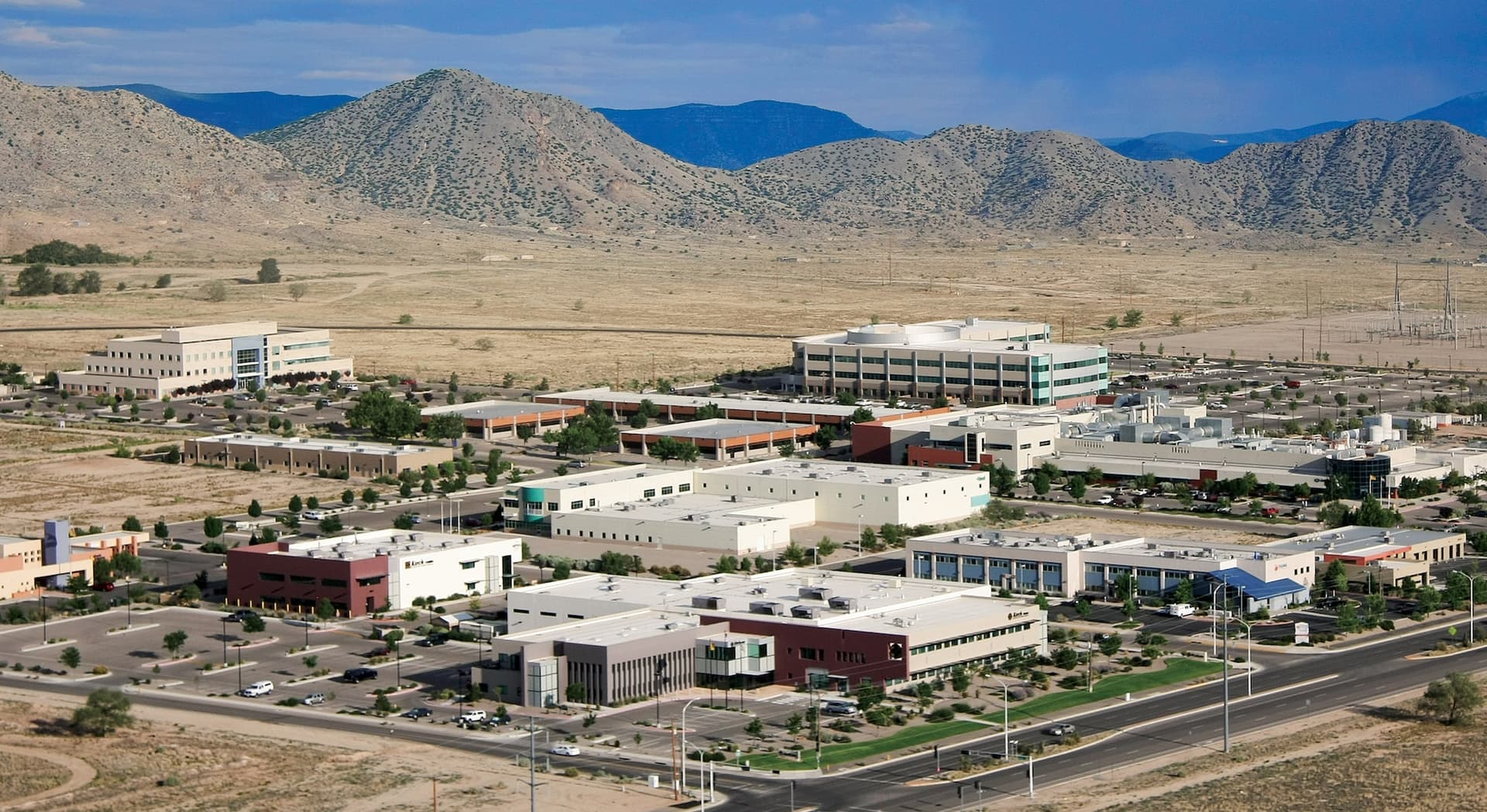
The race to build AI chips is forcing Sandia National Laboratories to widen its hunt for the processors that power some of the nation’s most sensitive supercomputers. At Kirtland Air Force Base in Albuquerque, New Mexico, Sandia managers are now weighing where the next generation of computing power will come from for work that includes nuclear weapons simulations, hypersonic modeling and other calculations that depend on double-precision floating-point accuracy.
For more than a decade, that work leaned heavily on chips from Nvidia and Advanced Micro Devices. Now those companies are pouring more of their attention into AI products, and in some cases running into supply constraints, leaving Sandia facing a two-sided problem: the computing performance has to hold up, and the parts pipeline has to remain dependable. Steve Monk, who oversees Sandia’s high-performance computing team, has described the pressure as stressful because the lab has to meet mission-critical demands while competing in a market pulled toward AI.

That pressure matters because Sandia’s production high-performance systems are tied directly to national security work. The lab says those machines support nuclear stockpile stewardship, hypersonics, machine learning, energy research and materials design. The broader Advanced Simulation and Computing program is central to the safety, security and reliability of the U.S. nuclear stockpile without underground nuclear testing, and it supports annual stockpile assessment and certification, life-extension programs, accident analysis and studies of how weapons age.
Sandia’s response has been to test more hardware before it reaches full production use. Its Vanguard program extends the lab’s Advanced Architecture Testbed under ASC, with a goal of reducing the risk of adopting unproven technologies by evaluating emerging hardware and software in realistic workloads. That pipeline produced Spectra, which Sandia announced in December 2025 as the second Vanguard platform. The system has 64 compute nodes and 128 Maverick-2 dual-die accelerators, and Sandia described it as its first supercomputer built around NextSilicon’s new chip architecture.
NextSilicon said on May 18, 2026, that Spectra had passed full system acceptance under Vanguard. Sandia had said researchers would use the machine for advanced fluid dynamics simulations that help assess the safety and reliability of the U.S. nuclear deterrent without underground tests.
Spectra follows Astra, Sandia’s first Vanguard system, introduced in 2018 as the world’s first petascale ARM-based supercomputer. Astra used 2,592 compute nodes and delivered more than 2.3 petaflops of theoretical peak performance. The shift now underway is broader than one lab: in October 2025, the Energy Department announced two AMD-accelerated AI supercomputers at Oak Ridge National Laboratory, including Lux, which was slated for early 2026 deployment.
Sandia is not cutting ties with the largest chipmakers. It also works with Nvidia on new memory technology. But the lab’s accelerating interest in smaller designers shows how AI is reshaping not just the market for faster chips, but the government’s supply chain for high-precision computing that underpins nuclear security.
This article was produced by Prism’s automated news system from verified source data, official records, and press releases, then run through automated quality and moderation checks before publishing. The system is built and supervised by the people who set the standards it runs under. Read our full AI policy.
Did this article answer your question?


