AI-generated Batman ad fuels controversy in Los Angeles mayor race
A viral AI video cast Spencer Pratt as a Batman-style savior in a burning Los Angeles, putting disclosure rules and voter trust in the spotlight.
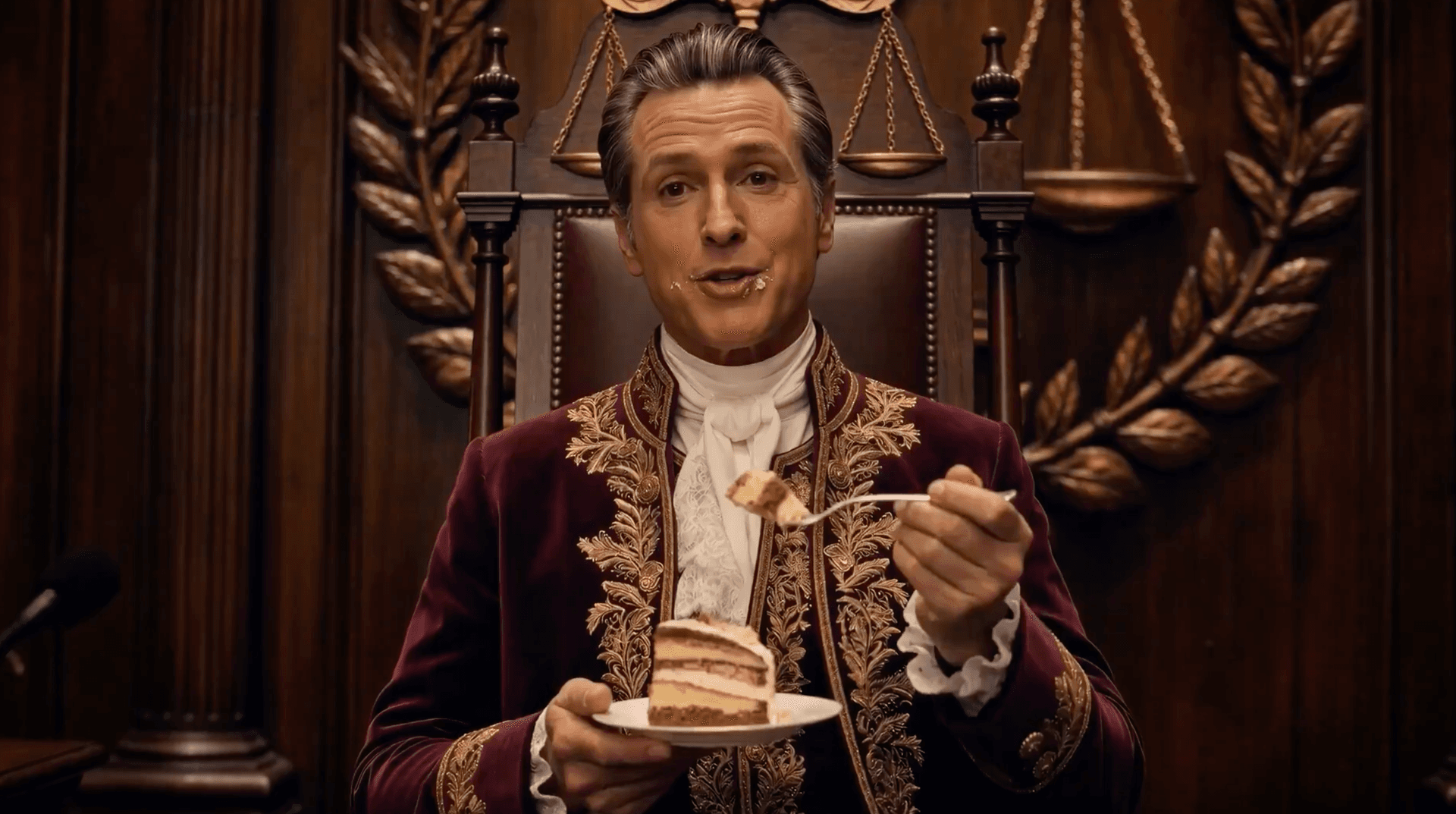
A synthetic campaign video has pushed the Los Angeles mayoral race into a sharper national debate over what voters can trust. Spencer Pratt reposted an AI-generated clip that portrayed him as a Batman-inspired hero rescuing a burning Los Angeles from his opponents, and the spectacle quickly raised bigger questions about how artificial intelligence is changing elections.
The episode lands in a crowded race that will go to voters on June 2. Karen Bass, the incumbent mayor, is seeking reelection, former Los Angeles Unified School District Superintendent Austin Beutner is also running, and more than a dozen candidates are in the field. Pratt entered the race in February after a wildfire destroyed his home in Pacific Palisades one year earlier, giving his campaign a personal backstory that now sits alongside an increasingly polished digital image.
What made the video noteworthy was not just its comic-book tone but its timing and reach. As the clip spread, it highlighted how quickly campaign content can move beyond traditional political ads and into the gray zone where satire, persuasion and fabrication blur together. In a race already defined by name recognition and competing visions for the city, the AI version of Pratt gave his campaign a superhero makeover while leaving unanswered the basic question of what, exactly, voters are seeing.
That question matters because the rules have not caught up with the technology. The Federal Communications Commission proposed disclosure requirements in July 2024 that would require on-air and written notice when AI-generated content appears in radio and television political advertising, including candidate and issue ads. The idea is straightforward: if synthetic media is used to influence voters, audiences should be told clearly and immediately that the material is fabricated.
California has also moved to respond. State lawmakers signed laws in 2024 aimed at protecting voters from deepfakes and shielding creatives from unauthorized digital replicas of their likenesses. Even so, broader efforts to regulate AI have faced vetoes and pushback, leaving local races like Los Angeles to serve as live testing grounds for how far synthetic media can go before disclosure, enforcement and voter trust break down.
Pratt’s viral video may or may not translate into votes, but its bigger impact is already clear. It shows how easily an AI campaign stunt can outrun the guardrails meant to contain it, and how much pressure now falls on voters to separate political theater from manufactured reality.
This article was produced by Prism’s automated news system from verified source data, official records, and press releases, then run through automated quality and moderation checks before publishing. The system is built and supervised by the people who set the standards it runs under. Read our full AI policy.
Did this article answer your question?

