AI Model Spots Pancreatic Cancer Years Before Diagnosis, Study Finds
A Mayo Clinic AI flagged pancreatic cancer about 475 days early in CT scans, with some signals appearing more than two years before diagnosis.
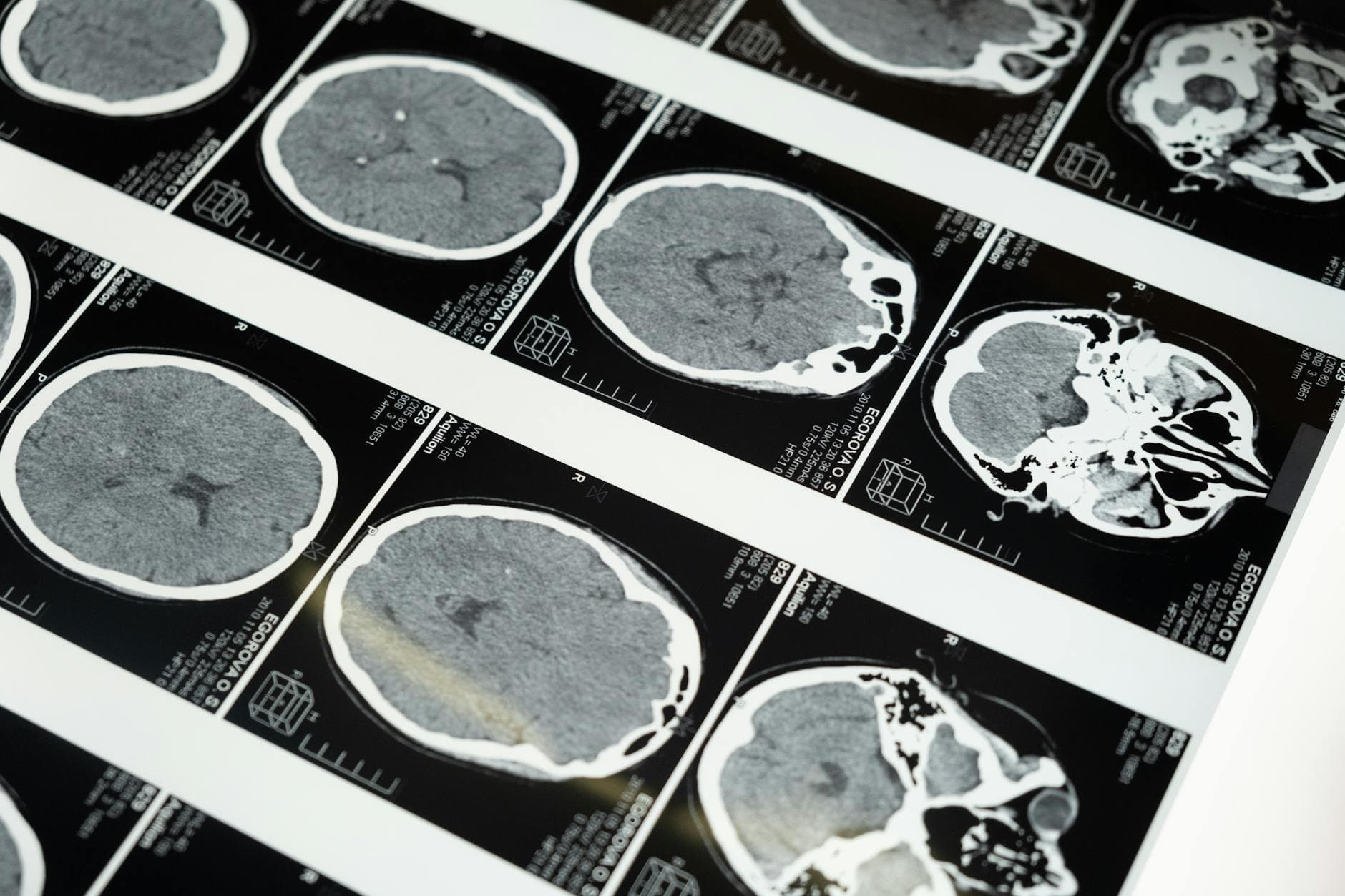
A Mayo Clinic-built AI system found signs of pancreatic cancer in routine abdominal CT scans long before doctors typically diagnose the disease, raising a harder question than detection alone: whether earlier warnings can be turned into better outcomes without flooding patients with false alarms and extra imaging.
The model, called REDMOD, short for Radiomics-based Early Detection Model, was trained on 969 scans and tested on 493 more. In the study published April 28, 2026, in Gut, REDMOD identified 73% of prediagnostic pancreatic cancers, compared with 39% for specialists reviewing the same scans without AI. Bloomberg reported that the model picked up changes about 475 days before diagnosis on average, while Mayo Clinic said the tool may detect the disease up to three years before clinical diagnosis.
The target was pancreatic ductal adenocarcinoma, the form of pancreatic cancer that the study described as visually occult at its earliest stage. Mayo Clinic said REDMOD does not simply look for a visible tumor. Instead, it analyzes subtle quantitative tissue features that can be missed on standard review, using CT scans drawn from multiple institutions, imaging systems and protocols.
That matters because pancreatic cancer remains one of the deadliest malignancies in the United States. The American Cancer Society estimates 67,530 new U.S. cases in 2026 and 52,740 deaths. SEER puts the five-year relative survival rate at 13.7 percent and says incidence rose an average of 0.9 percent a year from 2013 through 2022. The disease is projected to become the second-leading cause of cancer death in the United States by 2030.
Still, the step from promising algorithm to screening tool remains large. The study showed that REDMOD could outperform specialists on archived scans, but it did not settle how many false positives it would generate in everyday care, how much follow-up testing would be required, or what the software would cost to deploy at scale. It also did not prove that finding tumors a year or more earlier will automatically translate into longer survival.
The work, supported by the National Institutes of Health, the Hoveida Family Foundation, the Mayo Clinic Comprehensive Cancer Center and the Champions for Hope Pancreas Cancer Research Program, reflects a broader push to find pancreatic cancer before it becomes untreatable. For now, the most important finding is not that AI can see something new, but that the health system will need to prove it can act on that warning in time.
This article was produced by Prism’s automated news system from verified source data, official records, and press releases, then run through automated quality and moderation checks before publishing. The system is built and supervised by the people who set the standards it runs under. Read our full AI policy.
Did this article answer your question?