AI money floods New York primary in proxy battle over regulation
More than $20 million has been pulled into a Manhattan House race, turning Alex Bores into a test case for how far AI money will go to shape regulation.
A Manhattan congressional primary has turned into a proxy fight over who gets to write the rules for artificial intelligence. More than $20 million in spending and pledges has flowed around Assemblyman Alex Bores, making New York’s 12th Congressional District a national test of whether tech money can intimidate lawmakers into backing off regulation.
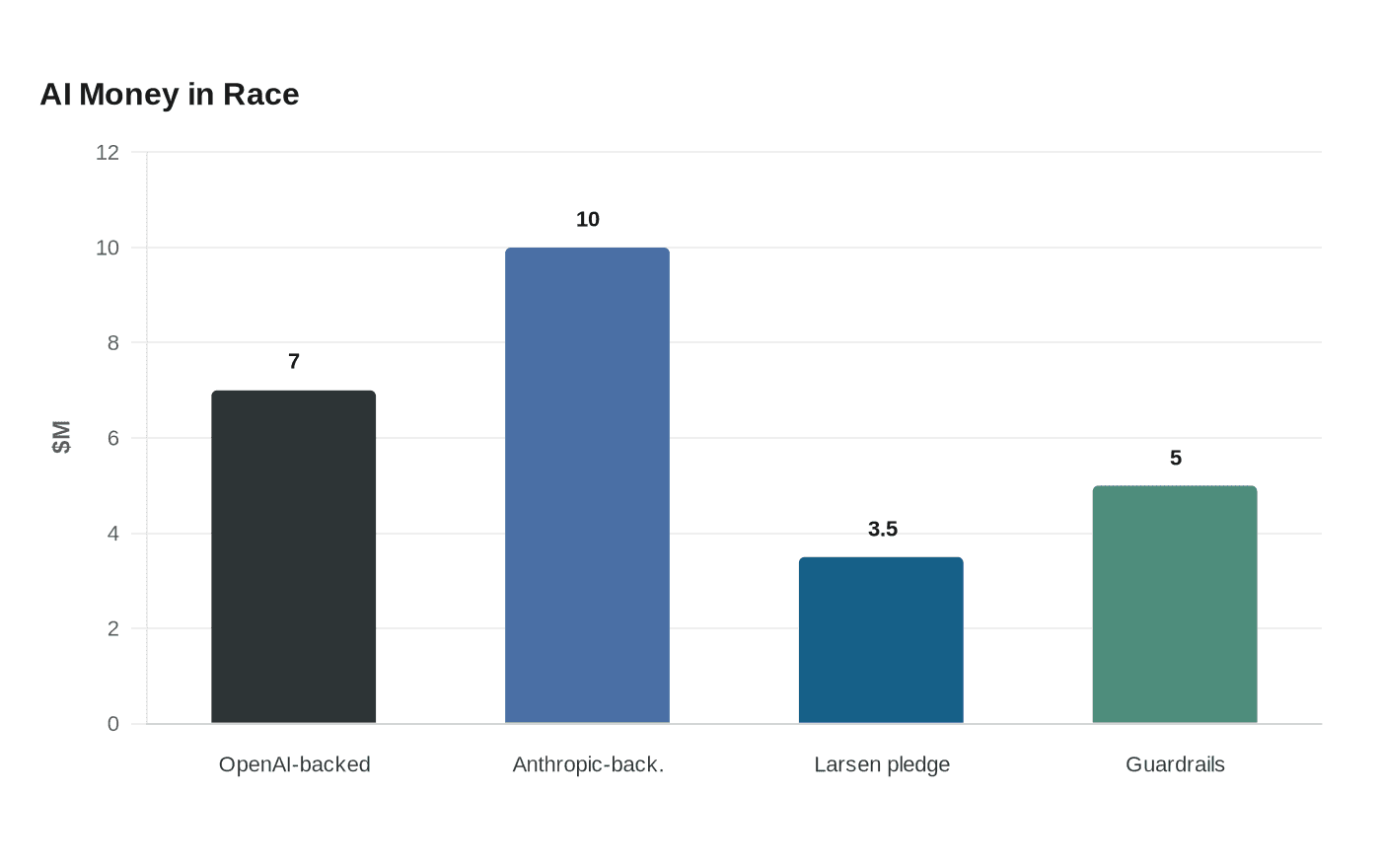
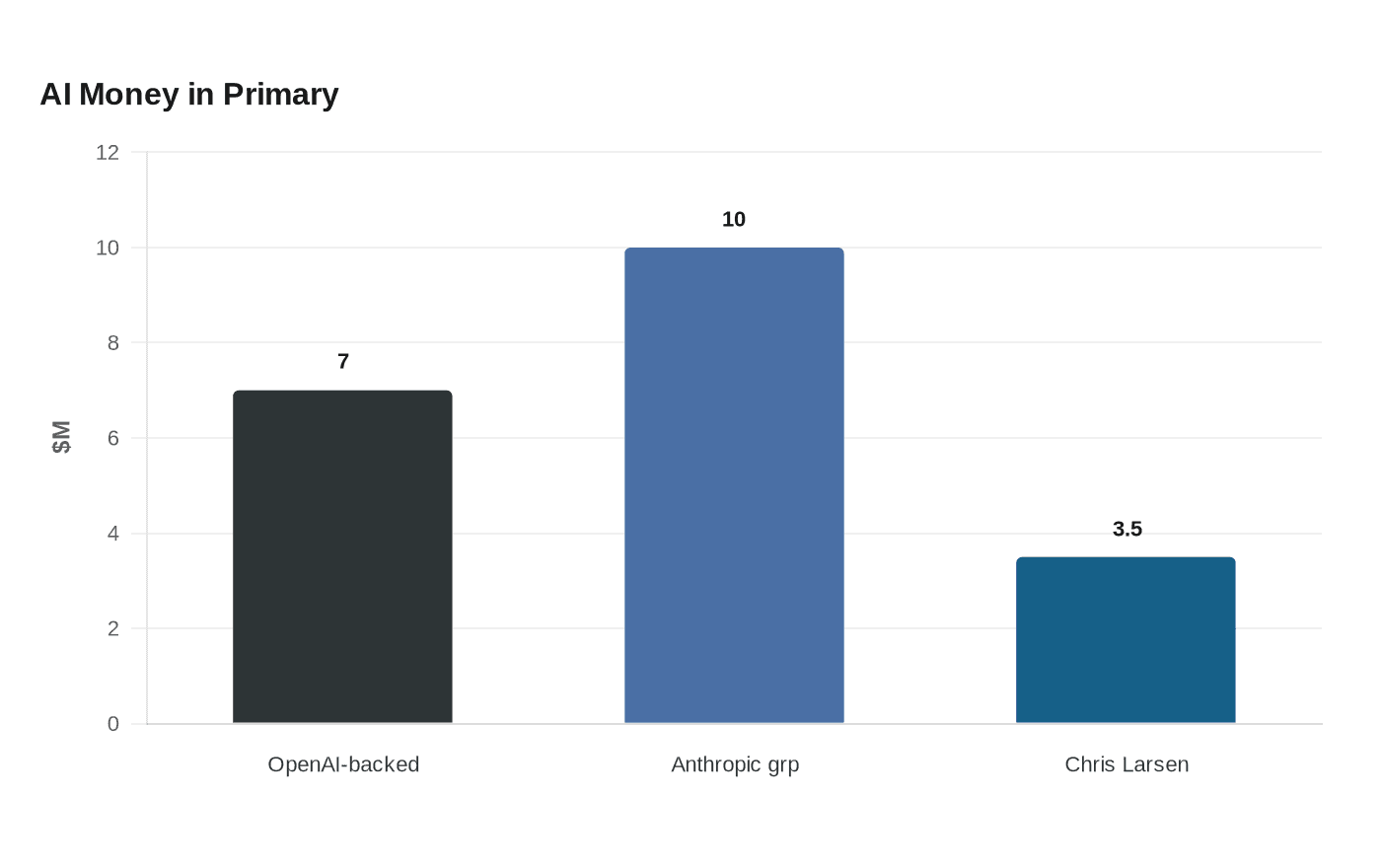
The fight has split the AI industry into competing camps. One political network backed by OpenAI investors spent more than $7 million on ads aimed at defeating Bores in the June 23 Democratic primary. On the other side, groups partly funded by Anthropic spent more than $10 million supporting him, and crypto billionaire Chris Larsen pledged another $3.5 million. The result has been a race that no longer looks local: it has become a referendum on whether companies building frontier AI can shape the political rules around their own products.
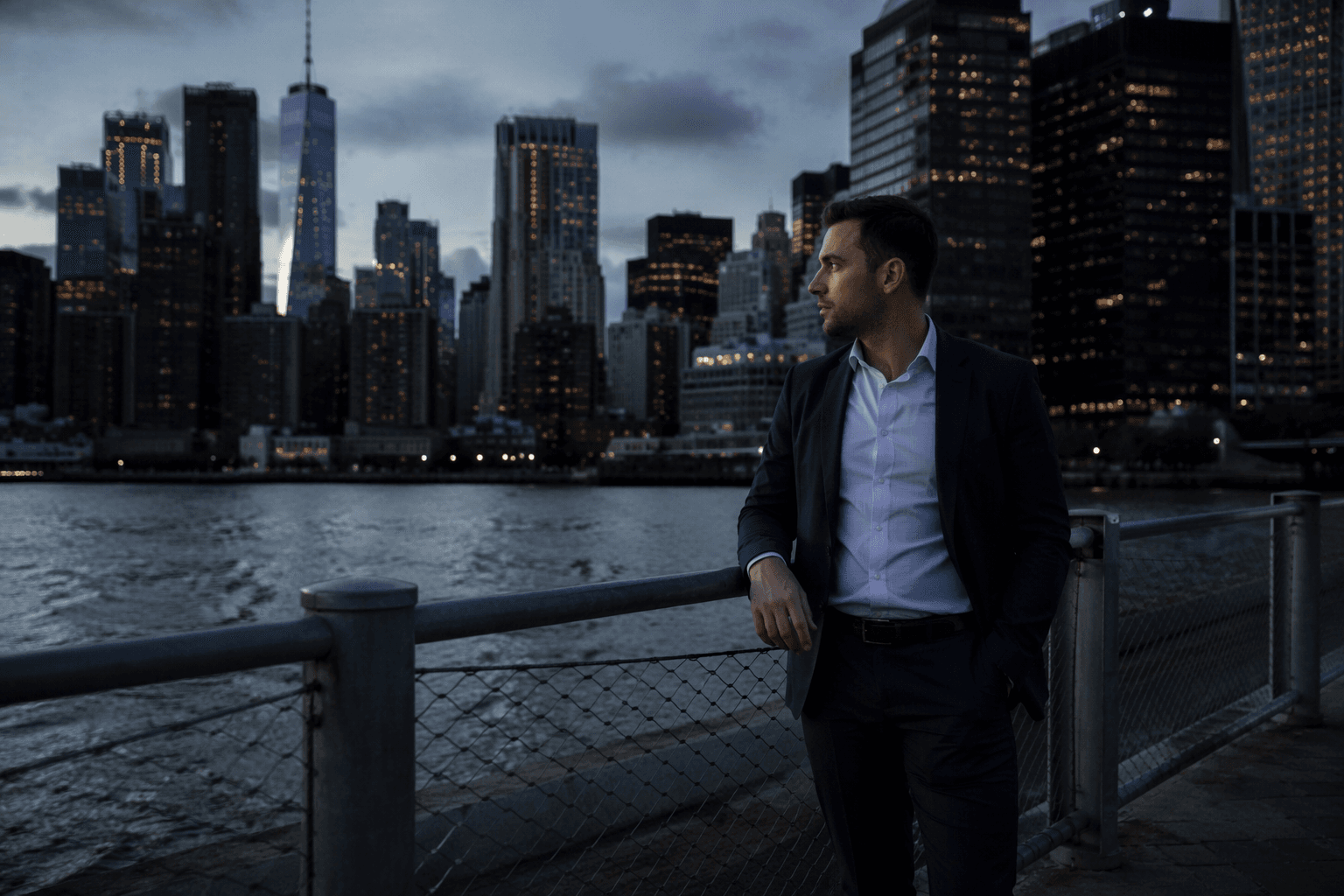
Bores, who represents Assembly District 73 and took office on January 1, 2023, has made himself a target by pushing regulation in Albany. He co-sponsored the RAISE Act, which the New York State Assembly says requires safety plans and incident reporting for the most powerful AI models. Governor Kathy Hochul signed the measure on December 19, 2025, calling it a strong standard for frontier AI safety, and policy reporting says it will take effect on January 1, 2027. The law covers large developers with more than $500 million in revenue.
The contest carries extra weight because the seat is open. Jerrold Nadler is not seeking re-election, and Ballotpedia listed Bores, George Conway, Micah Lasher and Jack Schlossberg among the better-known contenders. Nadler endorsed Lasher on February 9, adding another layer to an already crowded primary.
Bores has argued that the money flooding the race is designed to scare lawmakers away from trying to rein in the industry. His own biography gives that warning added force: he once worked for Palantir, then left during Donald Trump’s first term over concerns about the company’s immigration-enforcement work. That history has helped frame him as one of the few contenders willing to confront the tech world from inside government.
The broader landscape is already taking shape in New York City. The city launched its AI Action Plan in October 2023, and its 2024 progress report said the plan included 37 actions across seven initiatives. Outside the city, a larger pro-AI super PAC network called Leading the Future, backed by figures including Andreessen Horowitz, Greg Brockman, Joe Lonsdale and Perplexity, has been described as holding more than $100 million, with some accounts putting the total near $125 million. A countereffort, Guardrails Alliance, has raised about $5 million with backing from the American Association of University Professors, the American Federation of Teachers, Movement Voter Project, UltraViolet Action and the Working Families Party, and it has begun buying ads for Bores.
The race has also been tied to public fears about AI harm. Bores shared an ad featuring the parents of Adam Raine, the teenager who died by suicide after prolonged conversations with ChatGPT, underscoring how the campaign has become a fight over accountability, not just money. The June 23 vote will show how much leverage AI interests can buy, and how much resistance elected officials can still mount.
This article was produced by Prism’s automated news system from verified source data, official records, and press releases, then run through automated quality and moderation checks before publishing. The system is built and supervised by the people who set the standards it runs under. Read our full AI policy.
Know something we missed? Have a correction or additional information?
Submit a Tip