CBS analysis says key Epstein files appear to be missing
Key Epstein records were posted, but CBS found gaps: at least 550 pages were fully redacted, and the DOJ said the file set was still hundreds of thousands of pages short.
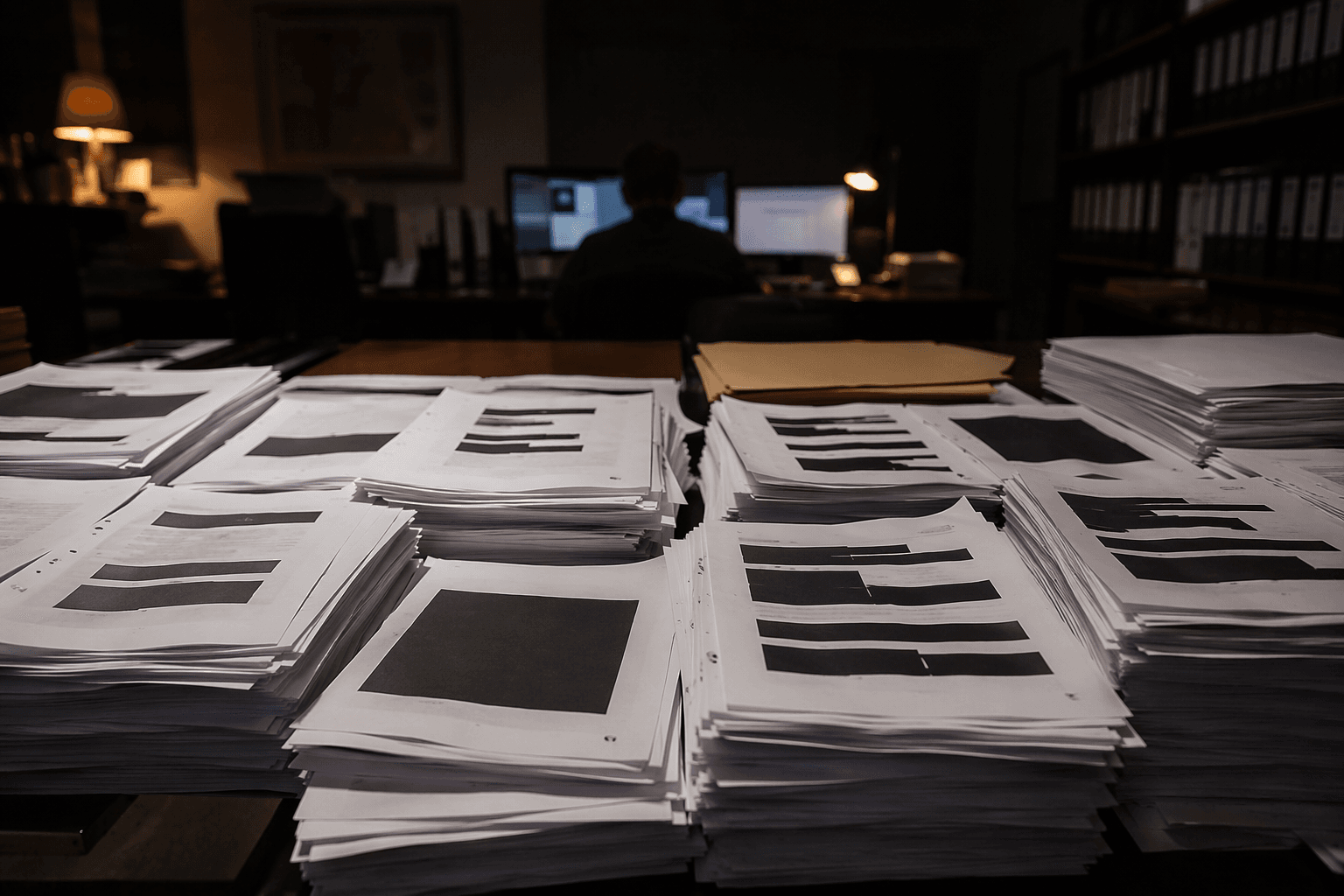
The Epstein file release is missing pieces that matter most to accountability. CBS News identified numerous gaps in the Justice Department’s Epstein library, including at least 550 pages that were fully redacted, even as the department said it had posted materials responsive to the transparency law and would update the archive if more documents are found.
The Epstein Files Transparency Act, signed into law on November 19, 2025, required the attorney general to make all unclassified Justice Department records relating to Jeffrey Epstein publicly available in a searchable, downloadable format. Congress defined that release to include records involving Ghislaine Maxwell, flight logs, travel records, and individuals named or referenced in the investigation and prosecution. The Justice Department says it has released every document required by the law, but CBS News and other outlets say the archive is incomplete and heavily redacted.
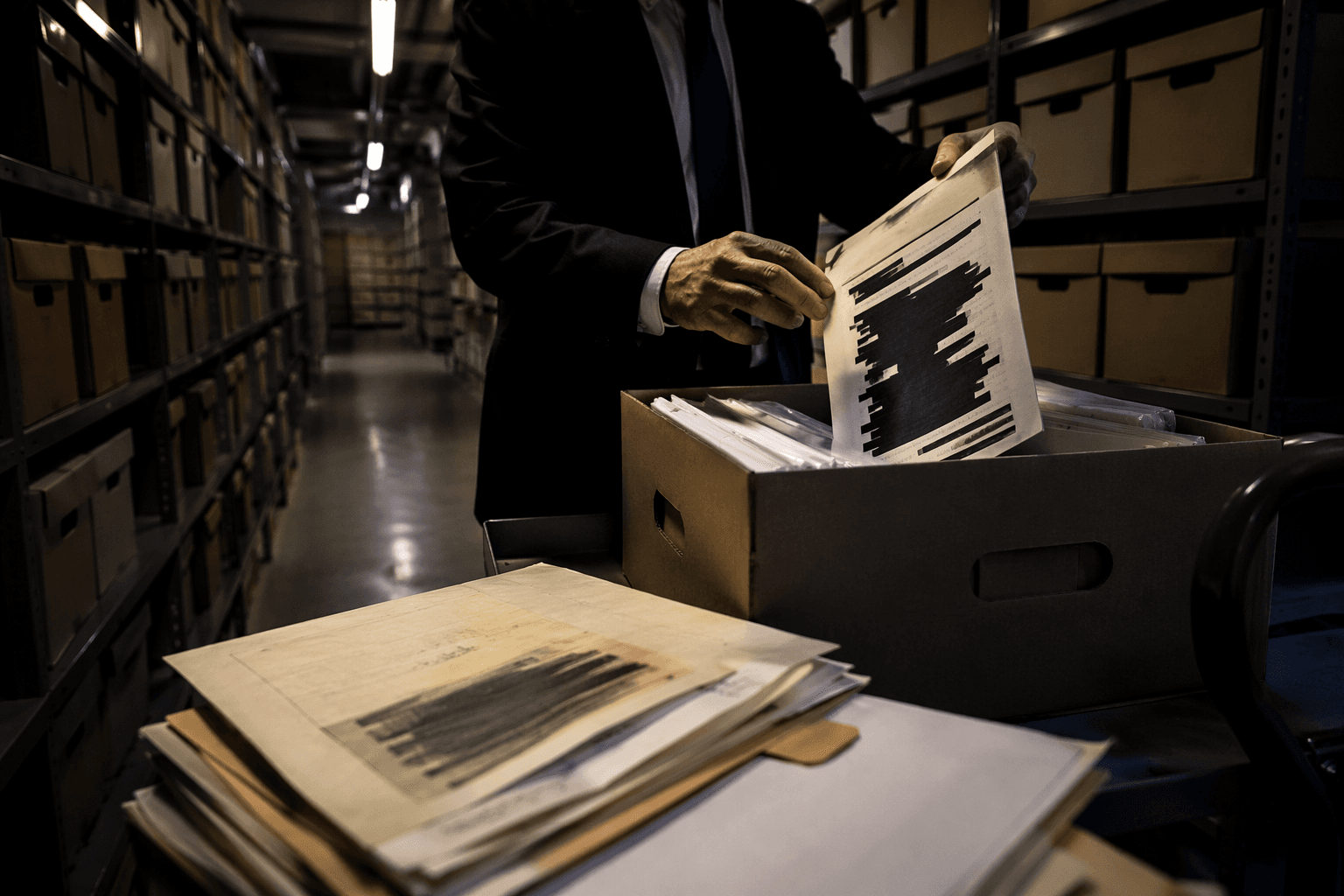
The missing material is not all the same kind of absence. Some pages were withheld through redaction, which the department says was used to protect victims’ personal information and to comply with other legal requirements. Other gaps look like incomplete production. NBC News reported that the department acknowledged the release was several hundred thousand pages short of all the records it expected to identify, raising the possibility that some files were not yet located, processed, or cleared for disclosure. That distinction matters: incomplete disclosure can reflect bureaucracy, while a cover-up would require evidence of deliberate concealment.
Survivors and lawmakers have seized on the gaps. Ro Khanna and Thomas Massie criticized the release as a “slap in the face of survivors,” saying key documents sought by survivors were still missing. ABC News reported that a group of 19 alleged victims said no financial documents were released and that grand jury minutes were blacked out, totaling 119 full pages. Those objections go to the heart of the statute: whether the public is seeing the government’s complete evidentiary record, or only a filtered slice of it.
The release also revived scrutiny of what the government said before the files came out. In a July 2025 memo, the Justice Department said reviewers found no incriminating “client list,” no credible evidence that Epstein blackmailed prominent individuals, and no basis to investigate uncharged third parties. Against that backdrop, one newly public document drew attention: Maria Farmer’s 1996 FBI complaint, in which she alleged Epstein stole photos of her 12- and 16-year-old sisters. Farmer said the document made her feel “redeemed.”
Epstein died by suicide in jail in 2019 while awaiting trial on federal sex-trafficking charges, and Ghislaine Maxwell was later convicted and sentenced to 20 years in prison. The pressure now sits on the Justice Department to show whether the Epstein library is a complete public record or a work in progress that still leaves core evidence out of view.
This article was produced by Prism’s automated news system from verified source data, official records, and press releases, then run through automated quality and moderation checks before publishing. The system is built and supervised by the people who set the standards it runs under. Read our full AI policy.
Know something we missed? Have a correction or additional information?
Submit a Tip