Air Canada flight diverts to Boston after captain medical emergency
Passengers restrained a pilot during a midair medical emergency before the first officer diverted Air Canada Flight AC7664 to Boston and landed it safely.
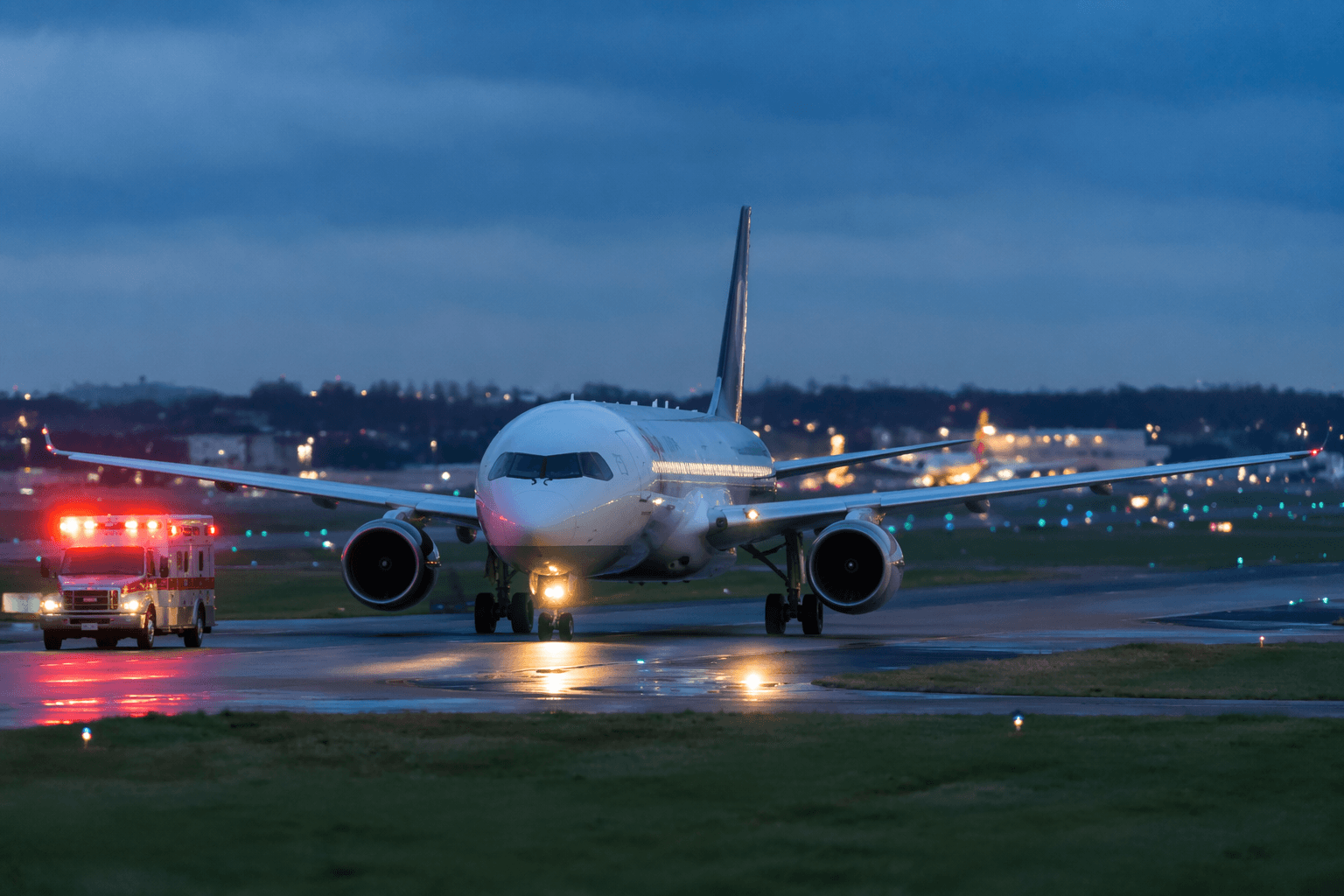
Air Canada Flight AC7664 landed safely at Boston Logan International Airport after the captain suffered a medical emergency on the Newark-to-Halifax run and was removed from the flight deck under safety protocols. The De Havilland Dash 8-400/Q400 turboprop, operated by PAL Airlines, was carrying 61 passengers when the first officer took control and steered the aircraft to Boston.
A passenger told ABC News that the plane suddenly swerved midflight and that the pilot appeared to have a seizure for about 40 minutes. The passenger described the experience as “terrifying.” Other passengers helped restrain the pilot while the crew managed the emergency, a stark reminder of how quickly a cockpit crisis can unfold and how much depends on crew coordination in the first minutes.
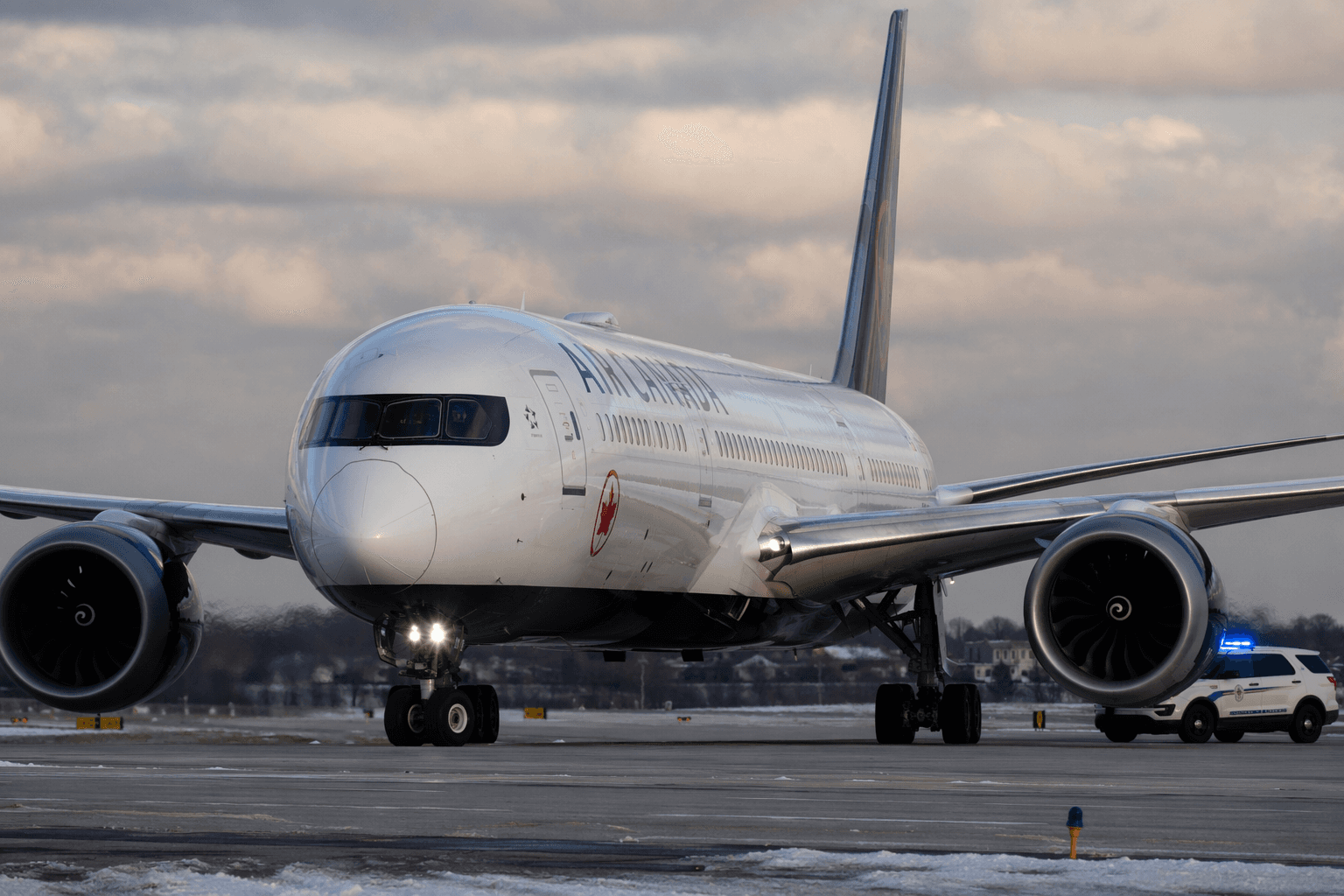
The flight had departed Newark Liberty International Airport around 12:55 p.m. EDT on Wednesday, June 24, 2026, and was in the air for about an hour before landing in Boston around 2 p.m. local time. Boston emergency crews received an Alert II at about 1:37 p.m., and Massachusetts authorities later confirmed the diversion and safe landing without further incident. The aircraft then continued on to Halifax Stanfield International Airport.
Air Canada said the captain was taken to a Boston hospital for medical treatment and that it was working to arrange alternate travel for the customers on board. The airline also said its pilots are trained to land safely without the assistance of a second pilot, underscoring the layered redundancy built into commercial aviation when a crew member becomes incapacitated.
The episode will likely renew questions for airlines about pilot health monitoring, in-flight medical response and cockpit preparedness for rare but high-risk emergencies. In this case, the system worked as intended: the captain was removed from duty, the first officer assumed control, emergency crews were alerted, and a regional turboprop with 61 passengers on board reached the ground safely instead of becoming a larger disaster.
This article was produced by Prism’s automated news system from verified source data, official records, and press releases, then run through automated quality and moderation checks before publishing. The system is built and supervised by the people who set the standards it runs under. Read our full AI policy.
Know something we missed? Have a correction or additional information?
Submit a Tip