Air Force One returns to Andrews after electrical issue; president continues on backup jet
Air Force One returned to Joint Base Andrews after a crew identified a "minor electrical issue," and the president completed the trip on a backup aircraft en route to Davos.
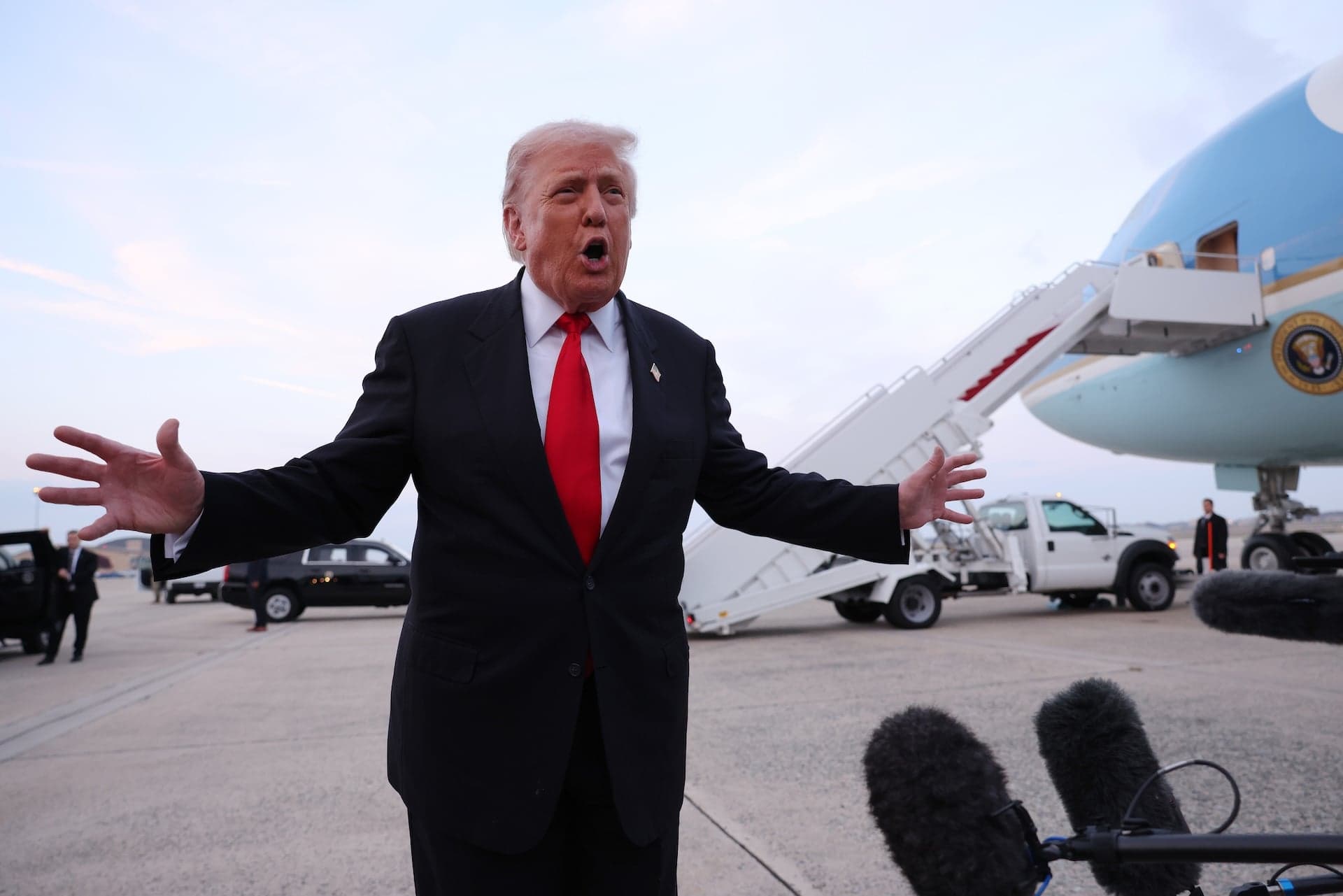
Air Force One turned back to Joint Base Andrews late Tuesday night after the flight crew identified what the White House called a "minor electrical issue," prompting an onboard transfer to a secondary presidential aircraft and a delayed departure toward the World Economic Forum in Davos.
The plane departed shortly after 9:40 p.m. Eastern Time and returned to Andrews at 11:07 p.m., after reporters aboard were told about the decision roughly half an hour into the flight. A reporter on board said lights in the press cabin went out briefly after takeoff, and pool video and accounts described the problem as affecting cabin systems without presenting an immediate safety risk. No injuries were reported.
White House press secretary Karoline Leavitt said the decision to return was made "out of an abundance of caution." Flight crew members diagnosed the electrical anomaly after takeoff and followed standard safety procedures in electing to land and have the jet examined. Officials said maintenance crews will conduct a full inspection and any necessary repairs before the aircraft reenters service.
After the problematic aircraft landed, the president boarded a different, smaller jet that, by military protocol when the president is aboard, assumed the Air Force One designation. Pool reporters described the relief aircraft as a Boeing 757. That replacement departed in the early hours of Wednesday en route to Davos, where the president was scheduled to speak at the World Economic Forum.
The aircraft involved are part of an aging presidential air fleet. The two VC-25s, military variants of the Boeing 747-200B, have been in service for nearly four decades; they are heavily modified for survivability and command-and-control functions, including radiation shielding and extensive communications systems designed to allow a president to remain in contact with military leadership while airborne. A multi-year program to procure replacement presidential aircraft has struggled with delays, a fact that military and aviation officials have cited in discussions of fleet resilience.

The return raised immediate questions about which VC-25 experienced the fault, the technical specifics of the electrical failure, and whether the incident reflects broader maintenance or aging-fleet issues. Officials said the affected jet will be examined and cleared through the normal maintenance and inspection process before resuming routine missions. Investigators and Air Force maintenance units are expected to provide a report detailing the fault, any corrective steps and a timeline for return to service.
The flight disruption came as the administration prepared to address issues at Davos that have drawn close attention from allies and markets. European officials and business leaders will be monitoring the administration's trade posture and public statements at the forum, making the president's arrival and message diplomatically significant.
Follow-up reporting will seek confirmation of the tail number of the VC-25 involved, the precise technical cause identified by maintenance crews, the tail number and departure time of the relief aircraft, and any comment from Air Force or manufacturer representatives about how the incident relates to fleet maintenance and the presidential aircraft replacement program.
This article was produced by Prism’s automated news system from verified source data, official records, and press releases, then run through automated quality and moderation checks before publishing. The system is built and supervised by the people who set the standards it runs under. Read our full AI policy.
Did this article answer your question?

