Justice Department subpoenas touch Fed chair Powell and Minnesota leaders
Grand-jury subpoenas were issued to the Federal Reserve and to several Minnesota officials, raising institutional and political stakes across Washington and the state.
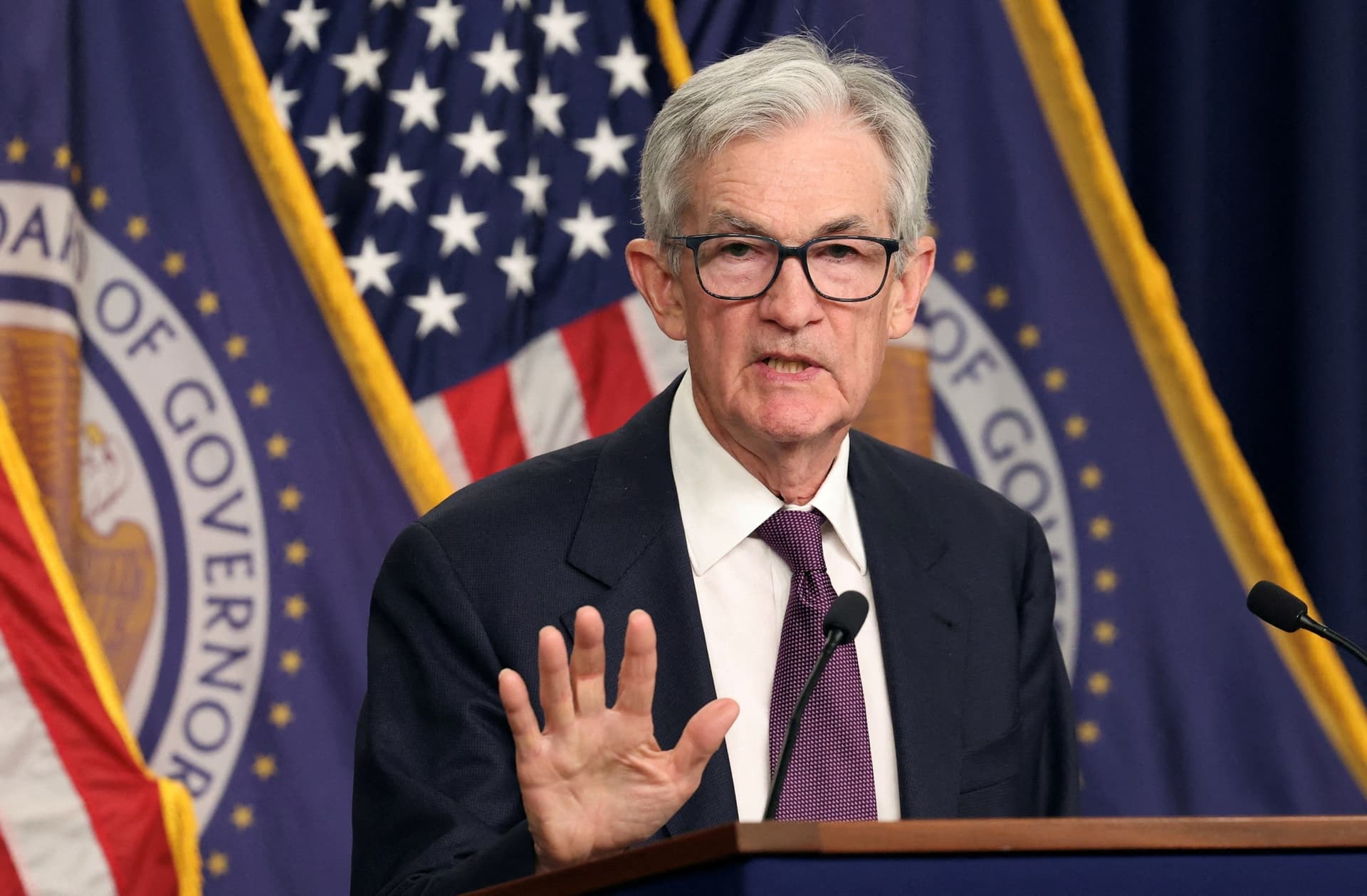
The Justice Department issued grand-jury subpoenas to the Federal Reserve in a criminal inquiry that touches Fed Chair Jerome Powell, and it simultaneously moved to compel testimony and records from multiple Minnesota state and local officials in a separate investigation, officials and informed sources say. The parallel actions have intensified strains between the department, the White House and Democratic officeholders.
The Minneapolis-area inquiry seeks to determine whether state and local leaders conspired to impede federal immigration officers, with prosecutors citing 18 U.S.C. § 372 as the primary statute under review. Subpoenas were issued or prepared for at least five officials, including Governor Tim Walz, Minnesota Attorney General Keith Ellison, Minneapolis Mayor Jacob Frey, St. Paul Mayor Kaohly Her and Hennepin County Attorney Mary Moriarty. Some subpoenas were served on officials’ offices, while others were described as prepared for delivery but not yet confirmed as received.
The Minnesota probe traces to an aggressive federal immigration enforcement operation in the region and a cycle of protests that followed the Jan. 7 fatal shooting of Renee Good by a federal immigration agent. Those events prompted public criticism of the federal presence from state and city leaders and drew visits from out-of-state officials, including a trip to Minnesota by Florida Attorney General Pam Bondi. Justice Department officials have not publicly explained why the grand juries were convened or detailed the evidence being sought.
Governor Walz denounced the activity as political and accused the department of "weaponizing" the justice system. Attorney General Ellison said he had received a grand-jury subpoena for records related to his office’s interactions with federal immigration authorities. Mayor Frey and other local leaders have characterized the inquiry as politically motivated. A Justice Department spokesperson declined to provide an on-the-record comment when asked about the scope of the investigations.
The Fed-related subpoenas were disclosed alongside the Minnesota action but carry different legal and institutional implications. Reporting indicates the Federal Reserve subpoenas are part of a criminal inquiry that "touches" Chair Powell, though no specific statutes, charges or case filings have been publicly identified. The development comes amid heightened political pressure on the Fed from the White House over policy disputes, a context that elevates concerns about the appearance of political interference in institutions designed to be independent.

Legal specialists and institutional analysts say subpoenas that reach the Federal Reserve or its leadership could trigger complex constitutional and operational questions. The Fed traditionally relies on statutory shields and institutional independence to conduct monetary policy; criminal inquiries that involve senior officials could affect market confidence and complicate the central bank’s governance even if no charges are ultimately brought.
In Minnesota, the decision to use 18 U.S.C. § 372, a provision that criminalizes conspiracies to prevent officers from performing official duties, underscores how federal prosecutors are applying a statute that has figured in prosecutions arising from other high-profile confrontations with federal authority. The presence of grand juries and the secrecy rules that govern them mean many details are likely to remain confidential for the near term.
Both inquiries are likely to prompt demands for greater transparency from lawmakers, requests for the subpoena texts and follow-up legal challenges from targeted officials. For now, the Justice Department’s formal filings, any court appearances and an on-the-record departmental statement will be the critical next steps for clarifying the scope and legal basis of the actions.
This article was produced by Prism’s automated news system from verified source data, official records, and press releases, then run through automated quality and moderation checks before publishing. The system is built and supervised by the people who set the standards it runs under. Read our full AI policy.
Did this article answer your question?

