Air Force sees Boeing fix for KC-46 vision system, eyes more tankers
Boeing’s KC-46 fix could unlock as many as 75 more tankers, but only if the Air Force believes the troubled refueling system is finally real.
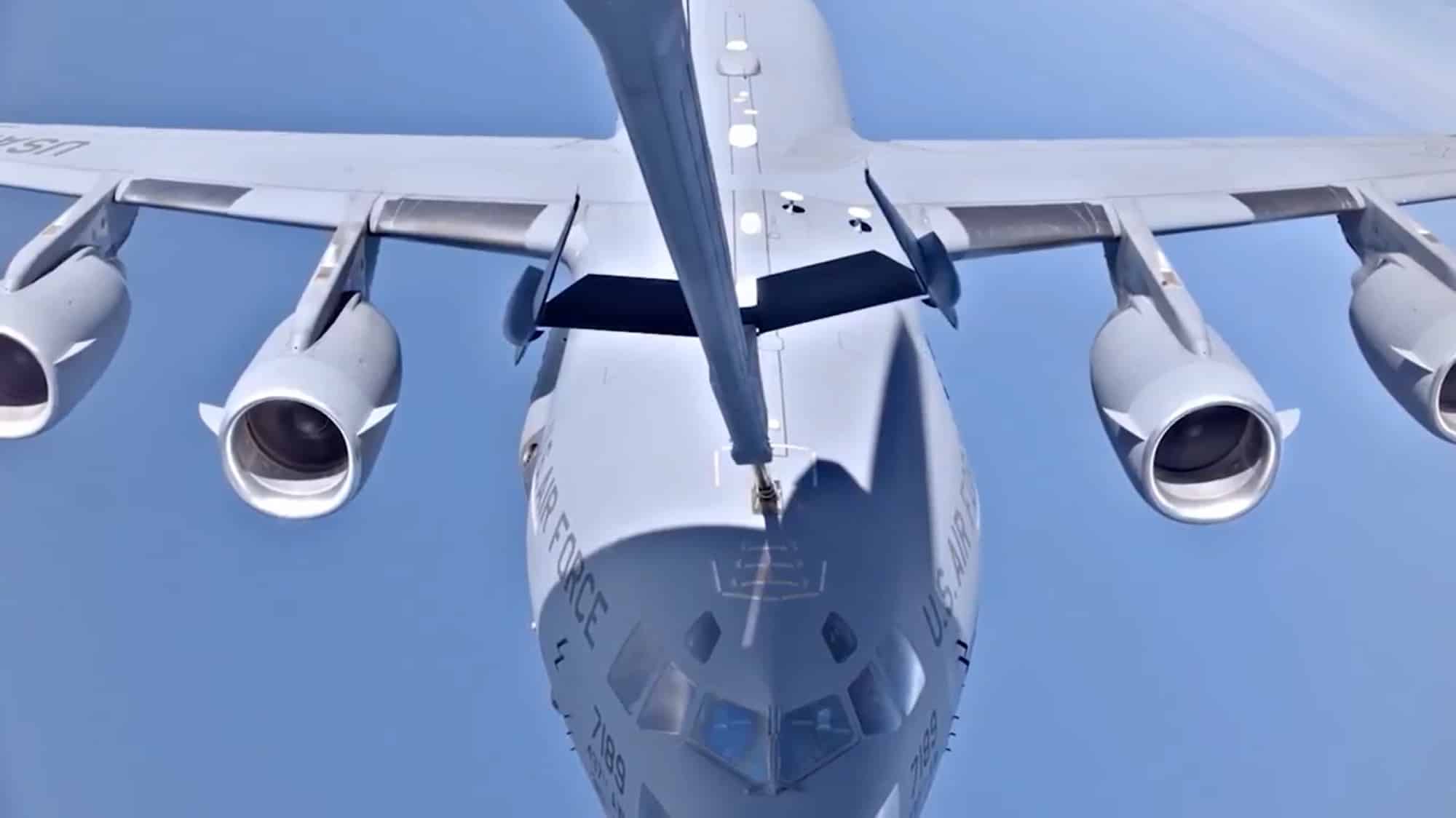
The Air Force is treating Boeing’s latest KC-46 vision upgrade as a potential turning point in a program that has frustrated planners for years. The remote vision system is not a side issue on a tanker built to refuel aircraft in flight; it is the operator’s eyes on the boom, and the failures around it have helped keep the KC-46 from becoming the dependable fleet the Pentagon wanted.
Air Force Secretary Troy Meink told a Senate subcommittee that the service believes Boeing has found a fix for the long-running problem, and that the new RVS 2.0 system should move into production in 2028. Boeing said on June 4 that it had completed initial flight testing of the upgrade, using ruggedized cameras and updated control and processing hardware. The company and the Air Force described those flights as non-contact tests, meaning the boom was not physically connected to another aircraft, but the tests still marked the first visible sign that the redesign had moved beyond promises.
That matters because the KC-46 has been troubled from the start. The Pentagon picked Boeing on February 24, 2011, for 179 tankers worth about $35 billion, intending to replace roughly one-third of the Air Force’s aging KC-135 fleet. The aircraft first flew in 2015 and entered military service in 2019, but it has never escaped camera, display and boom problems, along with fuel leaks and other defects that have repeatedly slowed its path to full operational use.

Boeing has already lost more than $7 billion on the fixed-price tanker contract, and the Air Force has said it will not buy more aircraft until the lingering issues are resolved. The service has received more than 100 of the 188 tankers it has ordered so far, and it is weighing whether to buy another 75, which would raise the total fleet to 263. That decision hangs on whether RVS 2.0 and the related boom redesign can finally deliver a tanker military users trust.
Pentagon testing officials still say the Air Force is working on both the Remote Vision System and the Boom Telescope Actuator Redesign, and operational test and evaluation will resume only after those upgrades are complete. The Air Force says retrofitting the existing fleet will take about seven years, but Meink’s description of the KC-46 as a “cornerstone” of U.S. power projection shows why the service is pushing ahead. If the fix holds, it could steady a troubled program and strengthen Boeing’s standing in future Pentagon contracting.
This article was produced by Prism’s automated news system from verified source data, official records, and press releases, then run through automated quality and moderation checks before publishing. The system is built and supervised by the people who set the standards it runs under. Read our full AI policy.
Did this article answer your question?