Air Force to buy five Boeing E-7 Wedgetail surveillance planes
The Air Force moved to lock in five more E-7A Wedgetails, pushing the program to seven contracted aircraft and signaling a harder pivot away from aging AWACS jets.
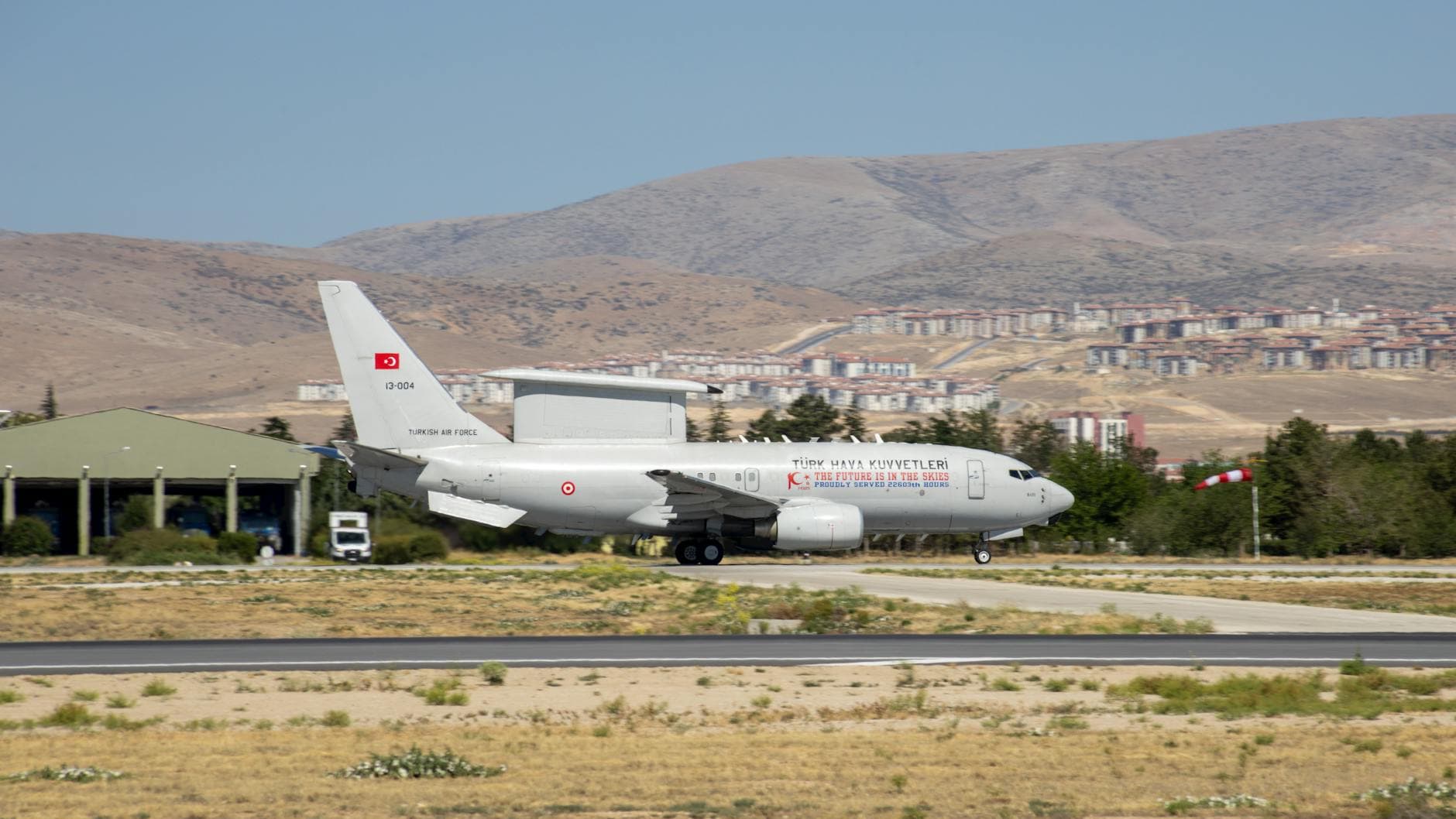
The Air Force is moving deeper into Boeing’s E-7A Wedgetail program, a shift that could reshape how U.S. forces watch and manage the skies in contested airspace. Secretary of the Air Force Troy Meink said the service plans to buy five more E-7As, adding to two rapid-prototype aircraft already under contract and bringing the total to seven.
Meink laid out the plan during the House Appropriations defense subcommittee’s budget hearing for the Department of the Air Force on April 30, 2026. The aircraft, built on Boeing’s 737 airframe, is designed for airborne early warning and control missions, giving commanders a flying sensor and battle-management node that can track aircraft, direct fighters and help coordinate operations over long distances. That capability has become more important as military planners focus on China and on the challenges of operating in the Indo-Pacific, where distance, missile threats and dense electronic warfare make older surveillance systems easier to target.
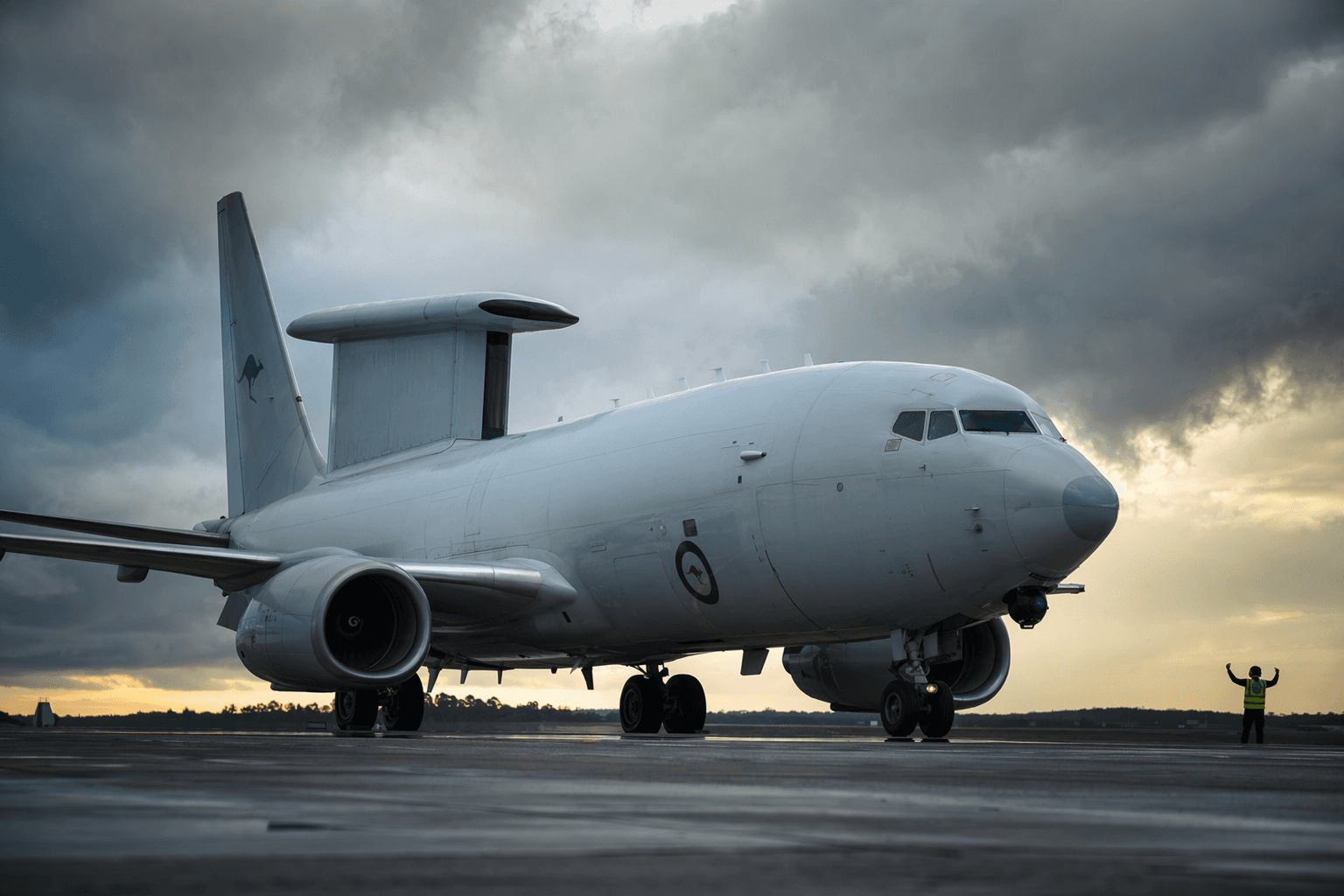
The new buy does not restore the original, much larger plan for 26 E-7As, but it does show the Air Force is still invested in the jet after months of uncertainty. The broader program had been thrown into doubt in 2025 when the Pentagon backed away from the 26-aircraft plan intended to replace 31 E-3 Sentry AWACS aircraft, a Cold War-era fleet that is increasingly difficult and expensive to maintain. The E-3’s age has been a growing problem, and Air Force leaders have argued that the E-7 offers a more survivable and more capable answer for airborne domain awareness.
Boeing and the Air Force had already moved ahead with two prototype Wedgetails under a contract worth roughly $2.5 billion in 2024. In March 2026, the Air Force announced a separate $2.4 billion deal with Boeing for unspecified EMD E-7 aircraft. Meink’s testimony means the service now has seven contracted aircraft in hand or on order, enough to move the program from prototype work toward engineering, manufacturing and early production planning.
The decision also carries alliance-level consequences. NATO had planned to buy six E-7As for its own AWACS replacement effort, including through a site at Geilenkirchen, Germany, but later abandoned that plan after the U.S. shifted away from the aircraft. The Air Force’s fiscal 2027 budget request still did not include E-7 funding, so the program’s long-term future remains unsettled. Still, the latest move gives Boeing a clearer path forward and signals that Washington is not to give up on the Wedgetail as a central tool for surveillance, command and control in a more dangerous sky.
This article was produced by Prism’s automated news system from verified source data, official records, and press releases, then run through automated quality and moderation checks before publishing. The system is built and supervised by the people who set the standards it runs under. Read our full AI policy.
Did this article answer your question?