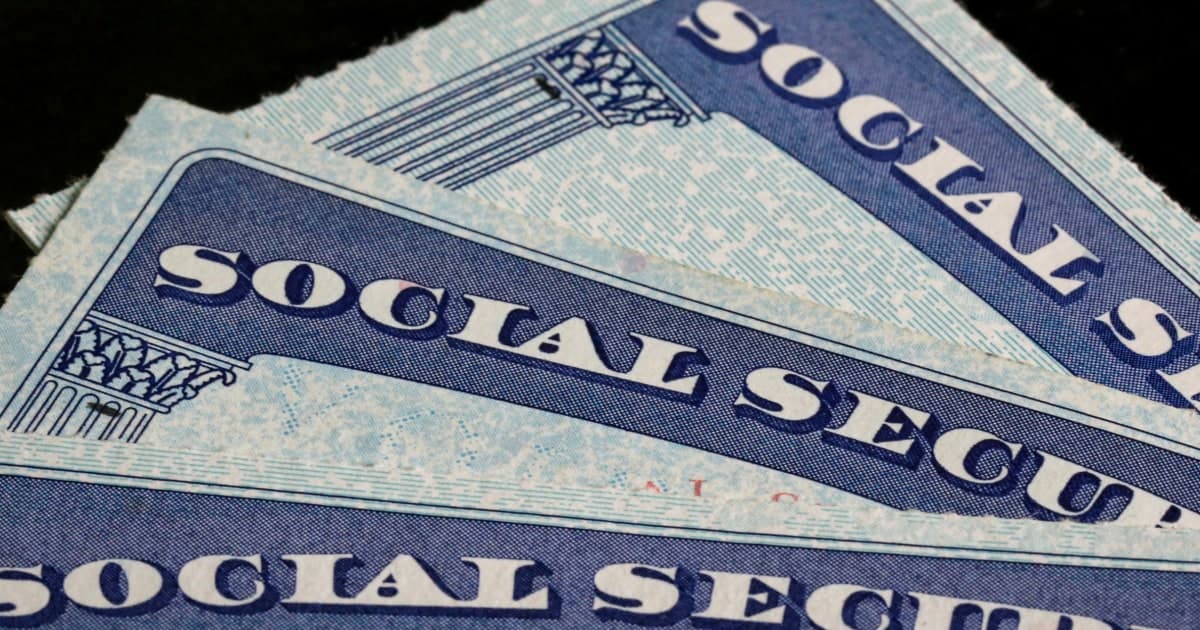
Judge blocks Trump immigration policy targeting travel-ban countries
A Boston judge halted Trump-era USCIS rules that let nationality weigh against applicants, shielding 22 plaintiffs and challenging a policy tied to 19 countries.
A federal judge in Boston blocked a Trump immigration policy that let U.S. citizenship officers treat nationality as a negative factor in decisions on green cards and work permits, saying the approach likely broke federal law and unlawfully singled out applicants from travel-ban countries.
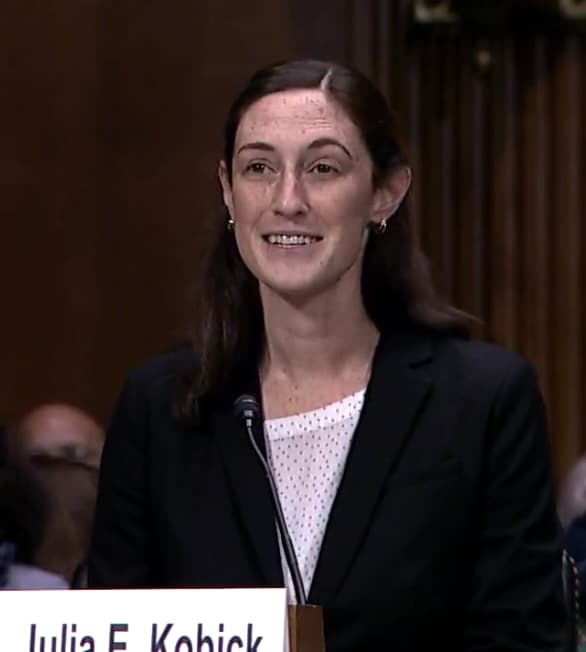
U.S. District Judge Julia Kobick issued a preliminary injunction in the U.S. District Court for the District of Massachusetts in a lawsuit brought by about 200 people from 20 countries, including Iran, Haiti, Venezuela and Syria. The case challenged a series of USCIS moves that began with guidance issued on November 27, 2025, then expanded into a December 2 memorandum that directed a hold on pending asylum applications and on benefit requests filed by people from the affected countries.
Kobick found the policy likely violated the Immigration and Nationality Act’s ban on nationality-based discrimination. She also said the later pause on asylum and naturalization reviews conflicted with Congress’s command that the agency issue decisions on those applications, and that the freeze on green-card and work-authorization processing did not fit the regulations governing those benefits. The order barred USCIS from applying the policy to the 22 named plaintiffs who had submitted declarations describing the harm they suffered, and the judge told the parties to discuss whether the relief should extend to the rest of the lawsuit.
The challenged guidance was tied to Presidential Proclamation 10949, issued June 4, 2025, which imposed restrictions and exceptions on entry from 19 high-risk countries. USCIS said the proclamation applied to people outside the United States on or after June 9, 2025, who did not have a valid visa, and the agency said its November 2025 guidance allowed negative, country-specific factors to be weighed in discretionary decisions. USCIS later said it had compiled country-by-country risk information with the State Department and had found earlier screening and vetting measures inadequate.
The ruling lands well beyond this one case. It could affect how the government handles thousands of pending immigration applications involving permanent residence, work eligibility and national-security screening. It also sharpens a broader legal fight over how far the executive branch can go in using nationality and travel-ban status to slow immigration processing. Homeland Security Secretary Kristi Noem separately determined that Haiti no longer met the conditions for Temporary Protected Status, adding another layer of pressure for some of the same nationalities now caught in the court fight.
This article was produced by Prism’s automated news system from verified source data, official records, and press releases, then run through automated quality and moderation checks before publishing. The system is built and supervised by the people who set the standards it runs under. Read our full AI policy.
Did this article answer your question?