Former Chick-fil-A worker accused of $80,000 refund fraud scheme
A fired Chick-fil-A worker is accused of exploiting refund controls to push nearly 800 fake mac-and-cheese tray transactions and drain more than $80,000 to his own cards.
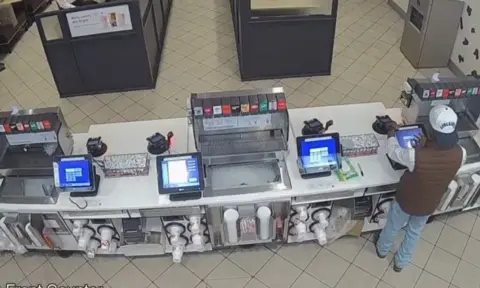
Grapevine police say a former Chick-fil-A employee turned a routine refund function into a theft scheme that moved more than $80,000 out of a Texas restaurant and onto his personal credit cards. Investigators identified the suspect as Keyshun Darnell Jones, who they say had been fired about a month before the alleged fraud began.
The case centers on a familiar vulnerability in high-volume retail operations: access to point-of-sale systems. Police say the scheme started in November 2025 at a Grapevine Chick-fil-A after the restaurant owner reported suspicious refunds. Surveillance video allegedly showed Jones behind the counter without authorization, using the register to ring up roughly 800 fake orders for macaroni and cheese trays, then immediately issuing refunds to cards he controlled.
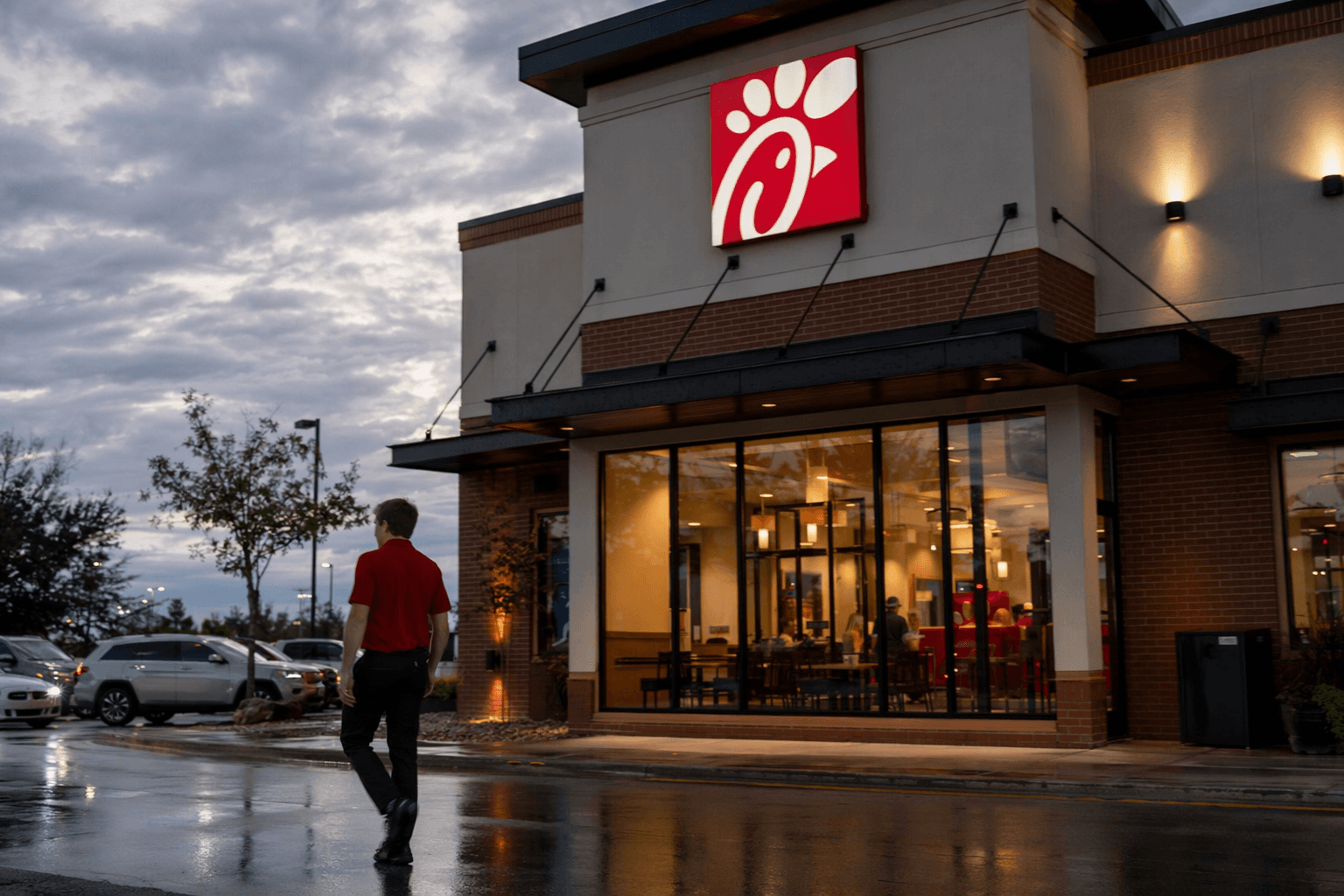
The alleged losses were not small, and neither was the scale of the activity. Police estimate the fraud cost the restaurant more than $80,000. The refunds were reportedly sent to Jones’s personal credit cards, making the case a direct example of how payment tools designed for speed and customer service can be abused when internal controls are weak or poorly enforced after an employee leaves.
Authorities say Jones was arrested in April 2026 after evading arrest multiple times. He was taken into custody on April 17 with help from the Texas Attorney General’s Fugitive Task Force and the Fort Worth Police Department. Jones now faces charges including property theft, money laundering, and evading arrest.

The case lands in a broader pattern that stretches beyond one Grapevine store. In Alabama, federal prosecutors previously said former Chick-fil-A employees diverted customer credit card payments away from a Birmingham-area franchise and into bank accounts under their control in a separate case involving a federal grand jury indictment. That prosecution showed how restaurant-payment fraud can scale when employees understand the system well enough to manipulate it from the inside.
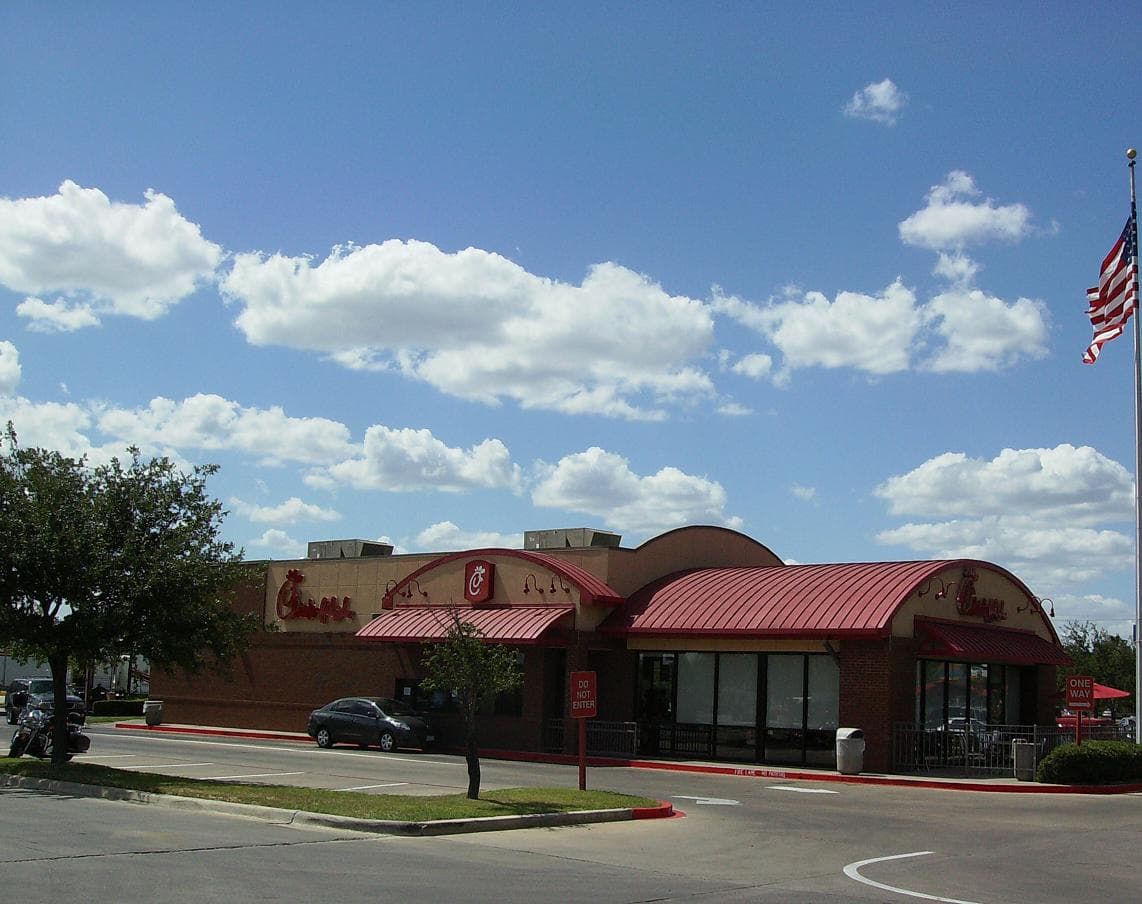
For chains built on fast service and centralized payment systems, the allegation in Grapevine is a warning about what happens when access does not end as cleanly as employment does. A single former worker, investigators say, was able to exploit a basic refund process, repeat it hundreds of times, and leave a national brand to count the cost.
This article was produced by Prism’s automated news system from verified source data, official records, and press releases, then run through automated quality and moderation checks before publishing. The system is built and supervised by the people who set the standards it runs under. Read our full AI policy.
Did this article answer your question?