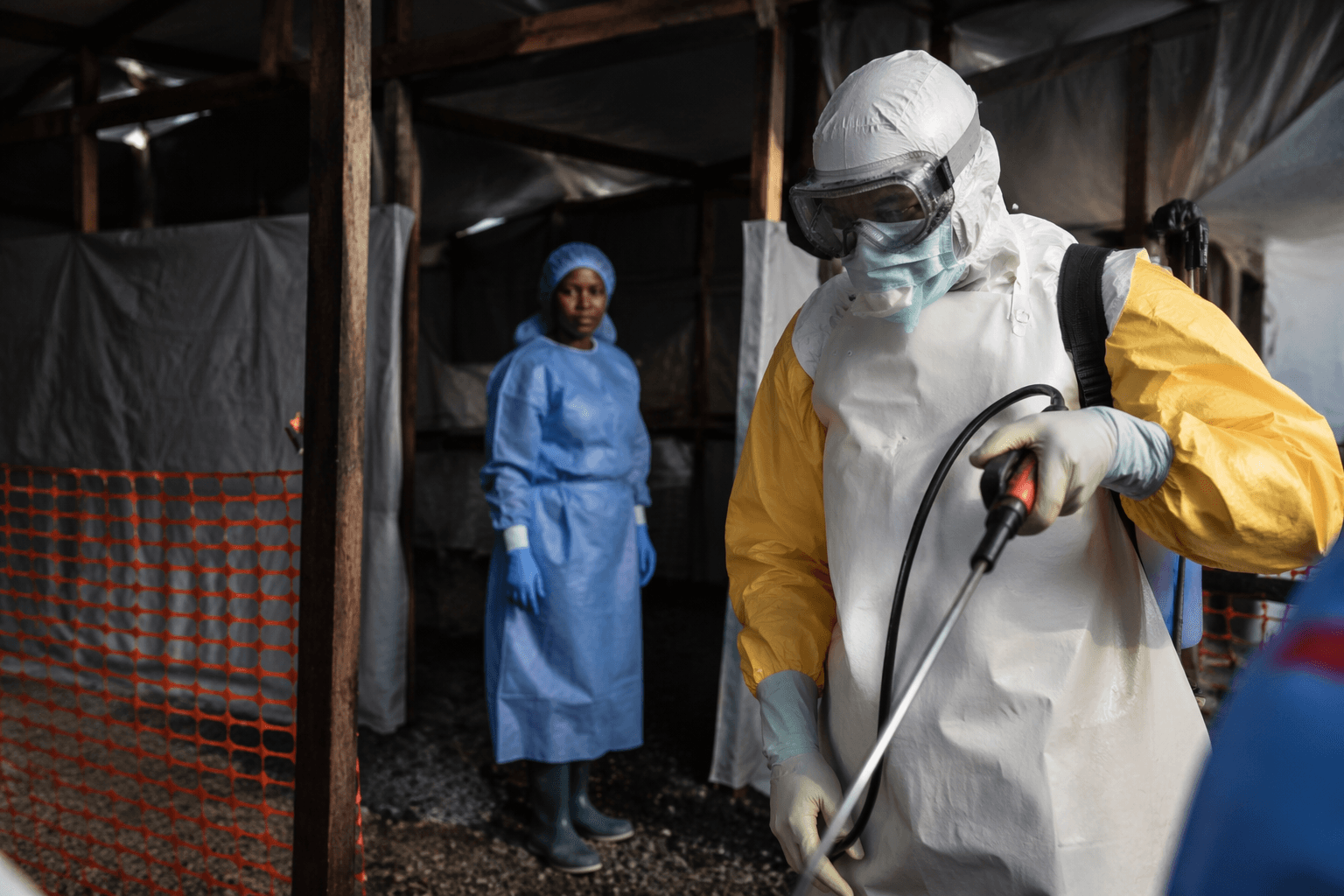
Air France flight to Detroit diverted to Montreal amid Ebola restrictions
An Air France jet bound for Detroit was rerouted to Montreal after Ebola-linked U.S. flight rules kicked in. The diversion exposed how screening, quarantine fears, and travel disruption spread far beyond one passenger.
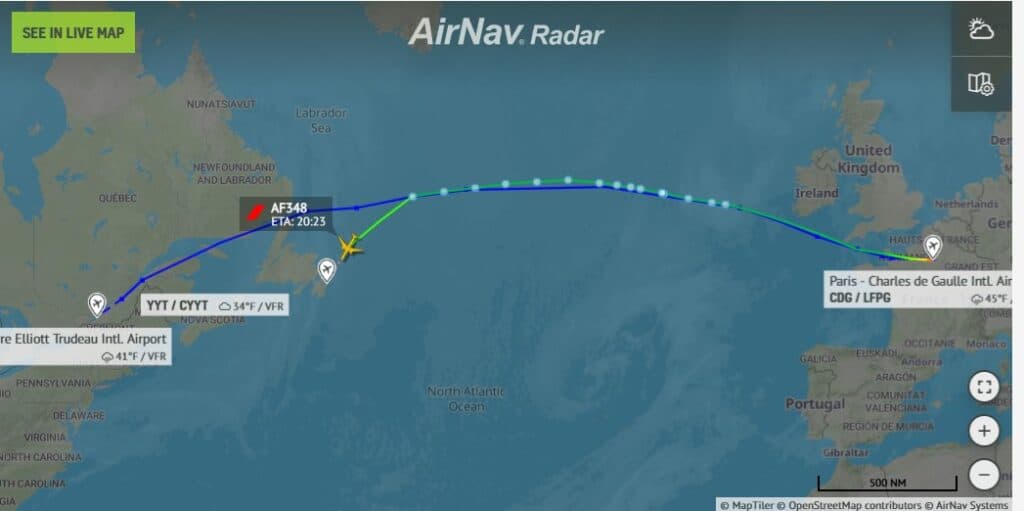
An Air France flight from Paris to Detroit was forced to divert to Montreal on Wednesday after U.S. flight restrictions tied to the Ebola outbreak disrupted the trip. The rerouting turned a normal transatlantic flight into a test of how airlines, border authorities, and public-health rules could intersect when the outbreak raised alarms far beyond West Africa.
France was already tightening its own response. Officials said passengers at Paris Charles de Gaulle airport would face Ebola screening in the coming days, including temperature checks before they entered the terminal. The move reflected an effort to catch possible infections early without closing off air travel altogether.
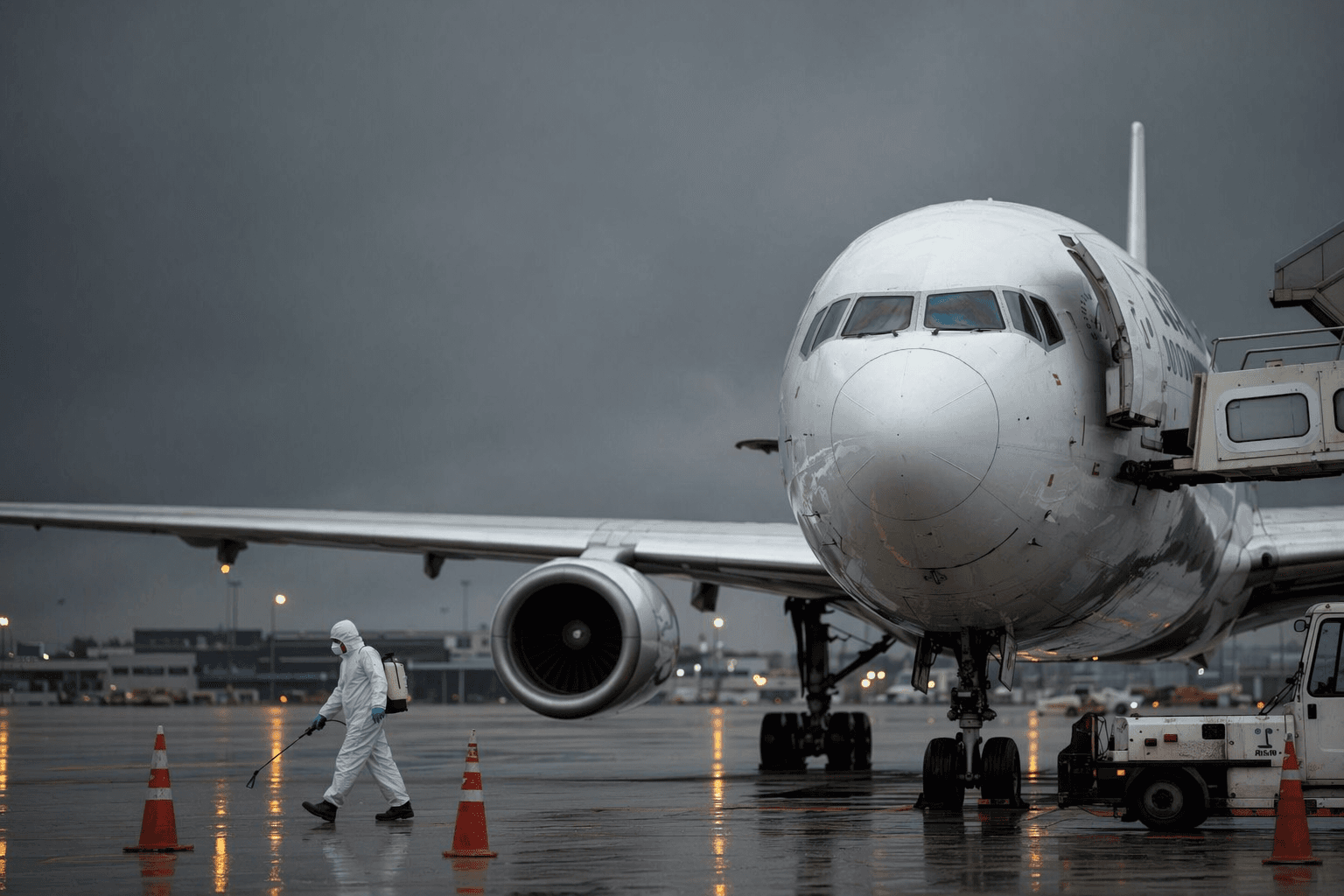
That balance was also at the center of international debate. United Nations officials said air travel to and from Ebola-affected countries should continue, warning that those countries should not be isolated. The message underscored a basic tension in the outbreak response: governments wanted to limit risk, but they also needed planes moving, medical workers deployed, and humanitarian access preserved.
Fear around aviation intensified after the first reported U.S. Ebola case. Thomas Eric Duncan traveled from Liberia to Dallas on a 28-hour journey that took two airlines and three flights, including stops through Brussels and Washington, D.C., before he later became ill. The itinerary drew intense attention to screening gaps and to how quickly a single case could ripple through airline networks.
The fallout reached the markets as well. Airline stocks fell after Duncan’s case was reported, with shares of United and other major U.S. carriers dropping 2.8 percent or more. Dr. Thomas Frieden of the Centers for Disease Control and Prevention said public disclosure of every flight taken by the infected passenger could divert public-health resources away from outbreak control.
France was also carrying out its own high-security response. Authorities flew a UNICEF worker infected with Ebola in Sierra Leone to France for treatment in isolation near Paris, a reminder that the response was not only about restrictions and screening but also about moving patients safely when treatment demanded it. The episode showed how Ebola was reshaping air travel in real time, forcing governments to weigh containment, humanitarian obligations, and the practical limits of keeping passengers moving.
Know something we missed? Have a correction or additional information?
Submit a Tip