Airbus Limits Cold Weather Takeoffs for Pratt Whitney A320s
Airbus said it updated ground engine operation procedures and issued a restriction on takeoffs in extreme cold for some A320 family aircraft equipped with Pratt Whitney engines, after industry reporting highlighted risks in freezing fog with very low visibility. The move could cause short term schedule disruptions at winter prone airports and will draw close scrutiny from airlines and regulators as Pratt Whitney develops a technical fix.
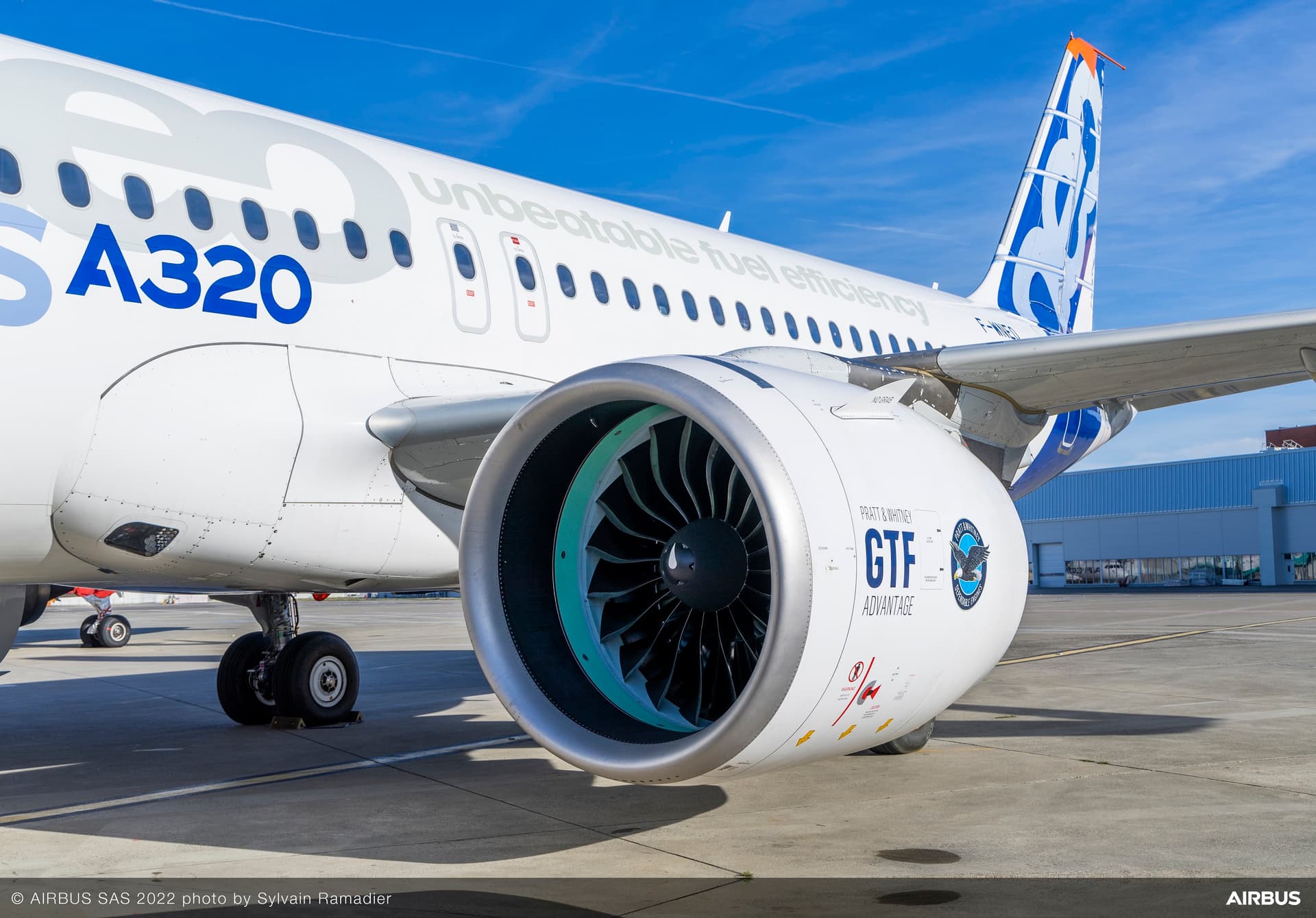
Airbus announced on November 28, 2025 that it had modified ground engine operation procedures and was restricting departures in extreme cold for certain A320 family jets powered by Pratt Whitney engines. The guidance specifically limits takeoffs in severe weather such as freezing fog when visibility is below 150 meters, a threshold that can occur routinely at airports in continental winter climates.
The change followed reporting by industry publication aeroTELEGRAPH and came as Airbus said it was in close contact with airline customers. Pratt Whitney said it was working on a technical solution. The operational restriction affects airlines that operate the Pratt Whitney powered variants of the A320 family at airports that experience freezing fog, with Air Astana publicly flagging concerns for operations into Almaty.
For carriers that rely on dense short haul networks, the guidance has immediate operational consequences. Freezing fog that reduces visibility below the 150 meter threshold can force cancellations or rerouting for flights that would otherwise operate. Airlines will face higher costs from disrupted rotations, including additional crew time, repositioning of aircraft, passenger accommodation and potential compensation obligations under local regulations. Airports that serve as winter hubs for national carriers could see capacity erosion during peak fog windows, amplifying knock on delays across networks.
The restriction arrives amid a period of heightened regulatory and market scrutiny of aircraft fleet reliability and software related operational limits. Regulators and airlines are likely to monitor the pace at which Pratt Whitney develops and demonstrates a technical mitigation. Any prolonged or broader restriction would raise questions about airline contingency planning and spare capacity, particularly as winter travel demand remains resilient in many markets.

From an industry economics perspective, the issue exposes the interdependence between original equipment manufacturers, engine suppliers and airlines in managing operational risk. Pratt Whitney faces not only engineering challenges but also reputational and commercial pressure, including potential recovery of costs associated with operational mitigation. For Airbus, which supplies widely used airframes across global short haul fleets, recurring engine related operational advisories could complicate customer relations and after sales negotiations.
Short term, airlines operating winter prone routes will adjust schedules and contingency plans while awaiting further technical updates. Regulators will likely review data on the fault mode and any software or hardware fixes proposed by Pratt Whitney before clearing restored operations in low visibility conditions. Longer term, the episode may accelerate investment in engine specific procedures, software improvements and airport infrastructure such as low visibility operational aids to reduce sensitivity to freezing fog events.
As of November 29, 2025 the situation remains under active management by the manufacturers and airlines, with operational impacts concentrated where freezing fog is most common and aviation authorities watching for engineering progress and effective mitigations.
This article was produced by Prism’s automated news system from verified source data, official records, and press releases, then run through automated quality and moderation checks before publishing. The system is built and supervised by the people who set the standards it runs under. Read our full AI policy.
Did this article answer your question?