Airlines keep fares high as jet fuel costs squeeze profits
Jet fuel costs are still squeezing airlines, and record-full planes are letting carriers keep fares elevated even as crude prices ease.
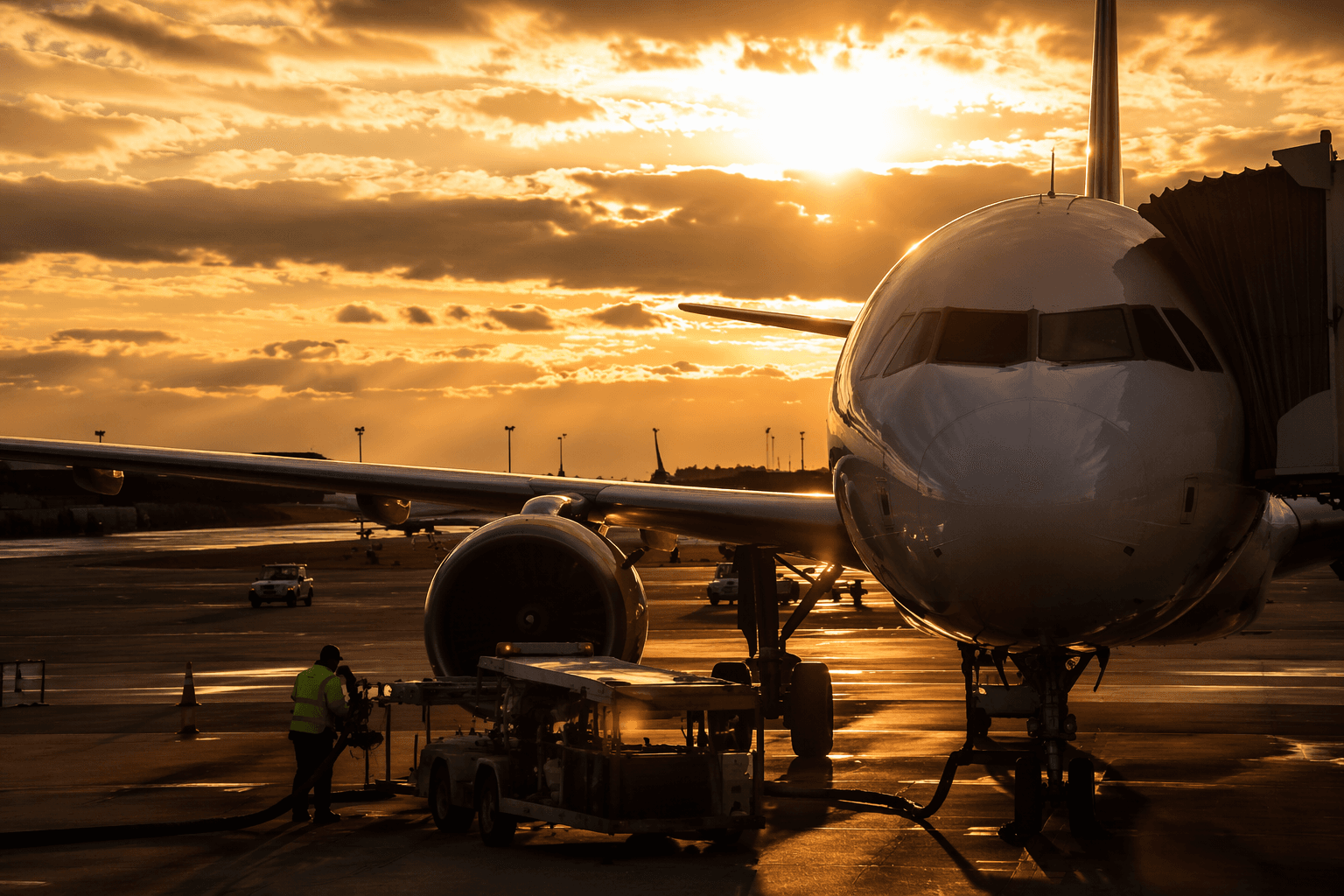
A decline in crude oil prices from a U.S.-Iran deal is not translating quickly into cheaper airfare because airlines are still paying up for jet fuel, and passengers are still filling seats. The International Air Transport Association said the industry’s collective fuel bill will rise by about $100 billion in 2026, with average jet fuel prices expected to run 70% above last year’s level.
That cost shock is hitting profits even as demand remains solid. At its 82nd annual meeting in Rio de Janeiro, Brazil, from June 6 to June 8, 2026, IATA said airline profitability is expected to fall to $23 billion this year from $45 billion in 2025. Willie Walsh said demand is holding up even as airlines are raising fares and rates to cope, a sign that carriers still have room to protect margins rather than cut prices aggressively.
The traffic data helps explain why ticket prices are not falling in step with oil. IATA forecasts passenger traffic will rise 2.1% in 2026, and the passenger load factor is expected to hit a record 84.0%, meaning planes are staying unusually full. IATA also said underlying willingness to travel has not collapsed, only moderated, with net profit per passenger set to drop to $4.50 from $9.10 last year and industry net margins narrowing to 2.0% from 4.2%.
In the United States, airlines spent more than $6 billion on jet fuel in April, up 78% from a year earlier even though they used slightly less fuel. Globally, IATA expects fuel costs to climb from $252 billion in 2025 to $350 billion in 2026. That gap shows why any relief from lower crude prices can take weeks or months to reach ticket buyers, especially when airlines are still rebuilding margins after earlier fuel spikes.
The lag is structural. Crude has to move through refineries, where crack spreads can widen, then into jet fuel supply chains and airline hedging or contract systems before it shows up in fares. If disruptions in the Middle East persist, IATA said average jet fuel crack spreads could rise above $57 a barrel in 2026, keeping pressure on costs.
Sustainable aviation fuel is not offering much relief yet. IATA said global SAF production is expected to reach about 2.4 million tonnes in 2026, equal to just 0.8% of aviation fuel use. For now, full cabins and high fuel bills are doing more to shape airfare than a softer crude market.
This article was produced by Prism’s automated news system from verified source data, official records, and press releases, then run through automated quality and moderation checks before publishing. The system is built and supervised by the people who set the standards it runs under. Read our full AI policy.
Know something we missed? Have a correction or additional information?
Submit a Tip