Judge sends Bayer’s $7.25 billion Roundup deal back to Missouri court
A Missouri judge kept Bayer’s Roundup class deal on track, preserving a $7.25 billion path to resolve cancer claims as appeals loom. The venue fight now shapes the settlement’s fate.
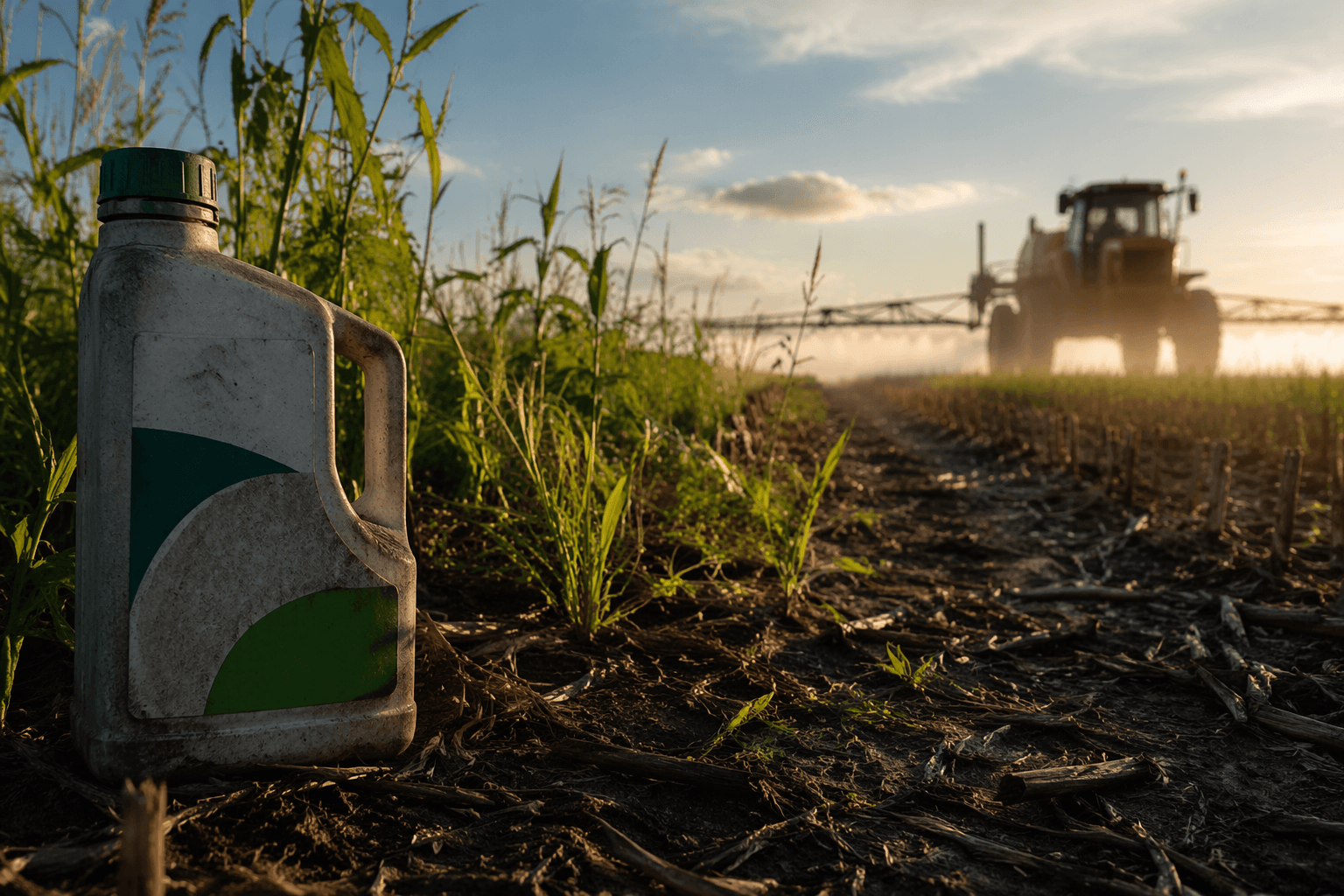
A federal judge’s decision to send Bayer’s $7.25 billion Roundup settlement back to Missouri state court kept the company’s biggest attempt yet to resolve the weedkiller litigation alive. The ruling cleared a major procedural hurdle and left Bayer’s class deal, which covers current and potential future non-Hodgkin lymphoma claims, on a Missouri-centered track that could still produce one of the largest mass-tort settlements in U.S. history.
U.S. District Judge Henry Edward Autrey in St. Louis sided with Bayer on the jurisdictional fight after objecting plaintiffs argued that the Missouri court lacked power to implement a nationwide resolution. The key question was who could move the dispute into federal court. Autrey concluded that right belongs to defendants, not plaintiffs, a distinction that mattered because Bayer had chosen the state forum and did not want the settlement shifted to a different federal judge who might take a harder line on the deal.
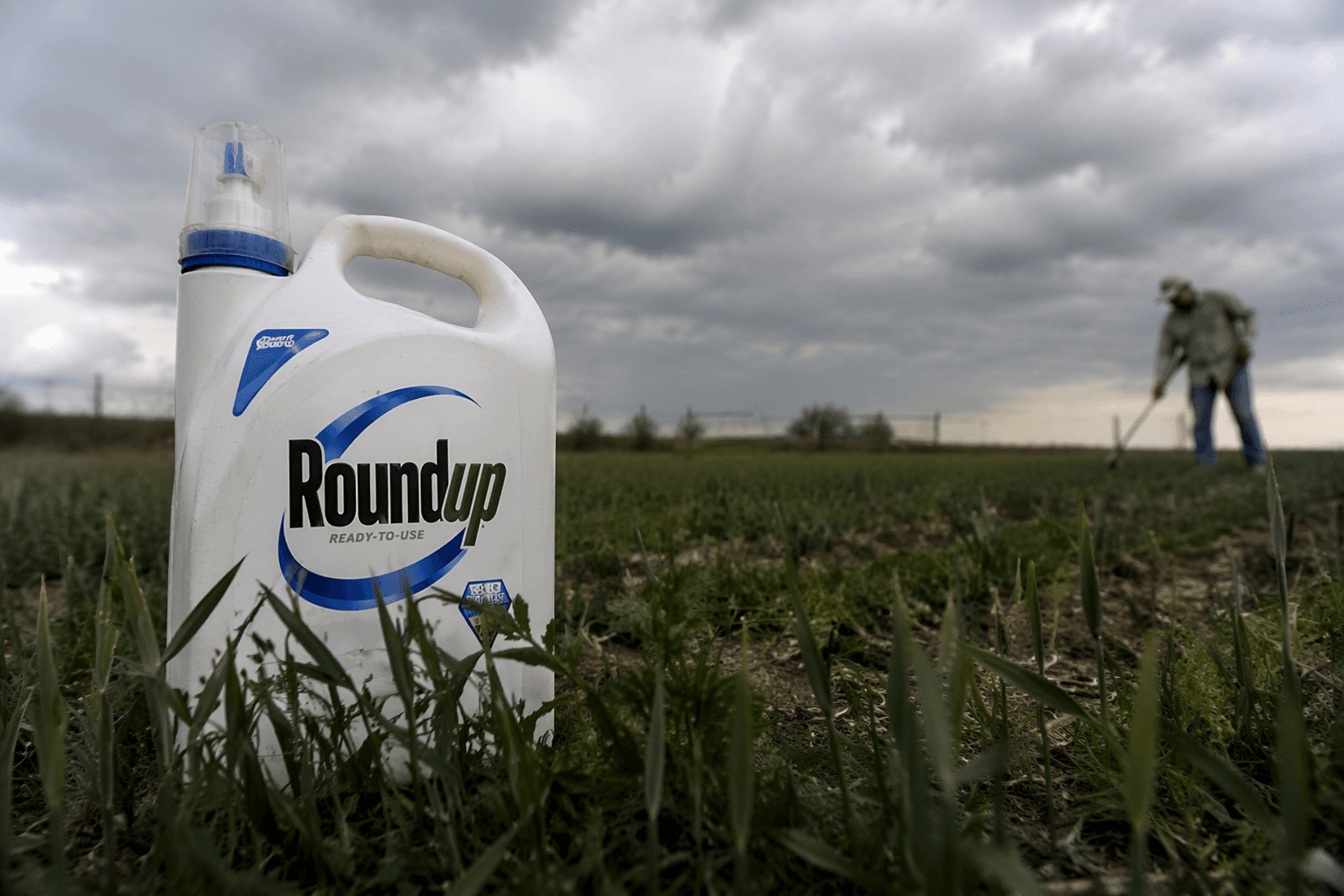
Bayer announced the proposed settlement on February 17, 2026, describing it as a nationwide class agreement funded through declining capped annual payments over as long as 21 years. Missouri state court granted preliminary approval on March 4, 2026, set a fairness hearing for July 9, 2026, and ordered Bayer to deposit $500 million into the settlement fund within 10 business days. The preliminary approval order also stayed Missouri lawsuits brought by class members, except opt-outs, until final judgment.
The company has cast the package as a long-term claims program rather than an immediate cash payout, and Bayer’s Monsanto unit said the ruling brought “much-needed clarity” as the state court continues processing the case. Supporters say the settlement could still deliver a huge class-action payout if it survives the next round of legal scrutiny. Opponents, including more than 100 class members and about a dozen health care companies, have already challenged the deal before the fairness hearing, and they filed a notice of appeal after Autrey’s ruling.
The stakes extend far beyond Missouri. Bayer says it faces roughly 65,000 claims in state and federal courts from people who say they developed non-Hodgkin lymphoma and other cancers after using Roundup at home or on the job. The company acquired Monsanto in 2018 in a $63 billion deal and inherited the litigation, which has become one of the most expensive legal overhangs in corporate America. Bayer has said the settlement and related resolutions would lift its litigation provisions and liabilities to 11.8 billion euros, including 9.6 billion euros for glyphosate.
The Missouri ruling also fits into Bayer’s broader defense strategy, which includes a U.S. Supreme Court case known as Durnell that could address whether federal pesticide law preempts state failure-to-warn claims. Bayer says that effort, along with the class settlement, is meant to bring more certainty to a fight that has already stretched across multiple courts and years. For now, the immediate question is whether the July 9 fairness hearing can turn the Missouri deal from a procedural lifeline into a final settlement that can withstand appeal.
This article was produced by Prism’s automated news system from verified source data, official records, and press releases, then run through automated quality and moderation checks before publishing. The system is built and supervised by the people who set the standards it runs under. Read our full AI policy.
Know something we missed? Have a correction or additional information?
Submit a Tip