AI’s resource footprint could strain water, land and power by 2030
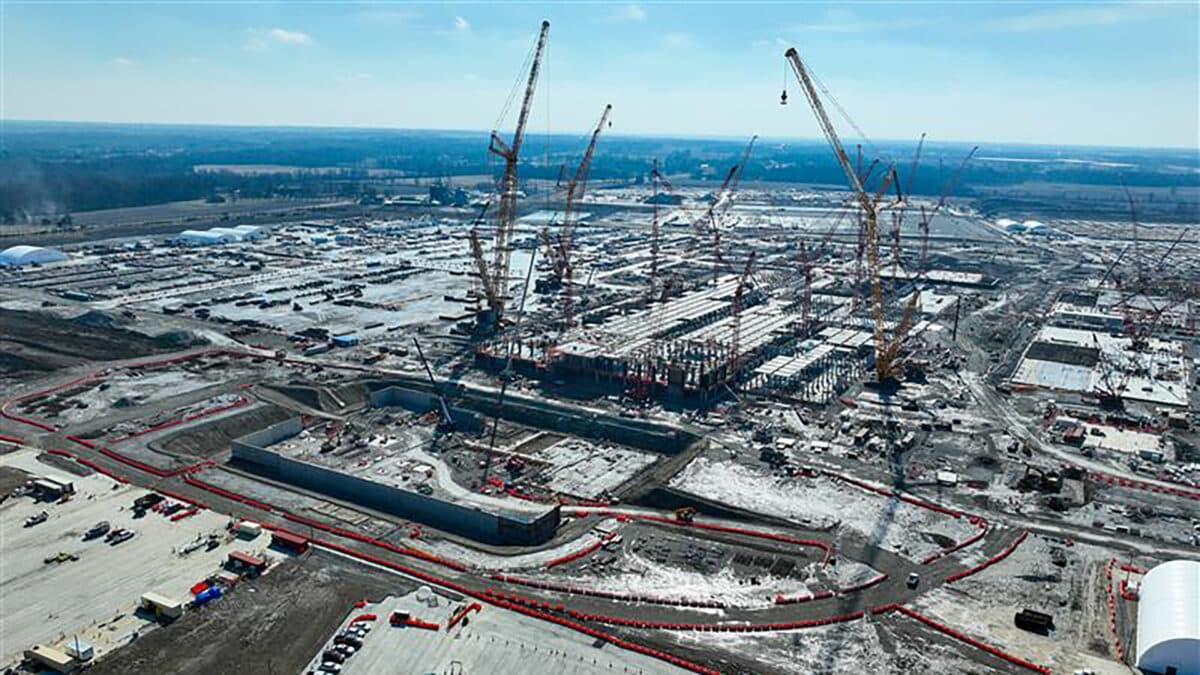
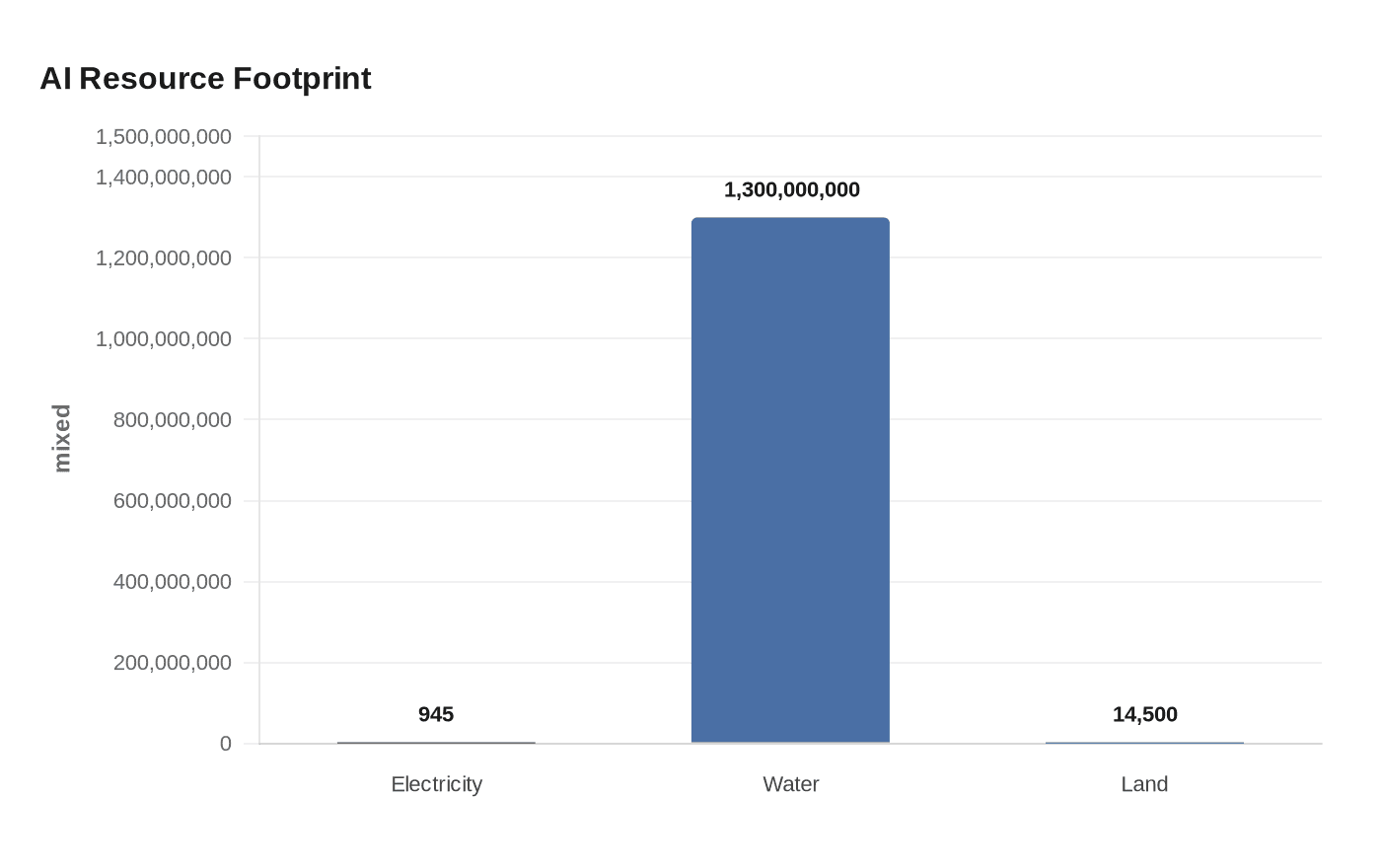
AI data centers could burn 945 TWh by 2030, while water use could match the domestic needs of 1.3 billion people and land demand tops 14,500 sq km.
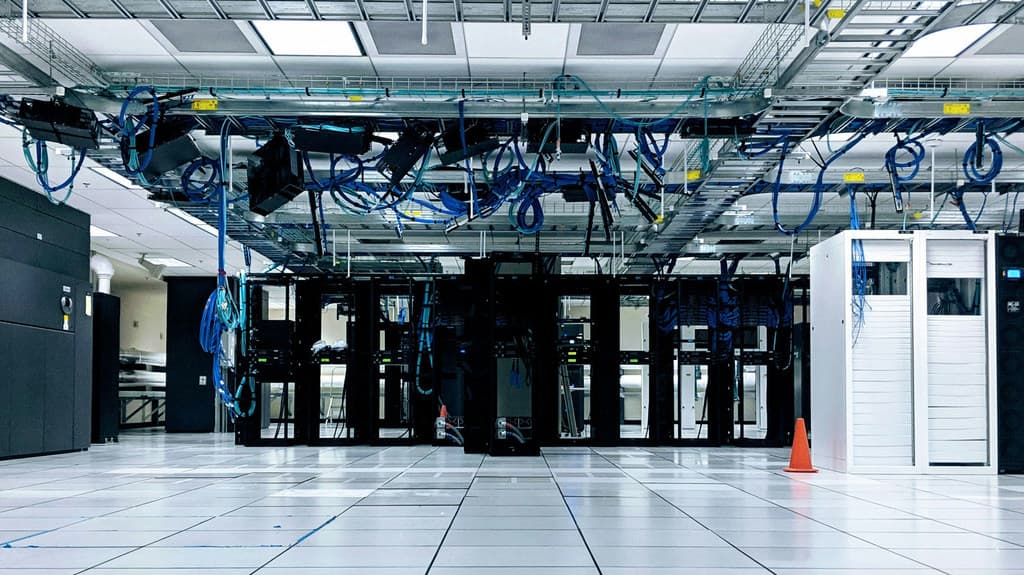
Artificial intelligence is increasingly being measured not just in carbon, but in concrete demands on water, land and power. A June 3 report from the United Nations University Institute for Water, Environment and Health warned that AI data centres could consume 945 terawatt-hours of electricity a year by 2030, nearly triple the combined annual electricity use of Pakistan, Bangladesh and Nigeria.
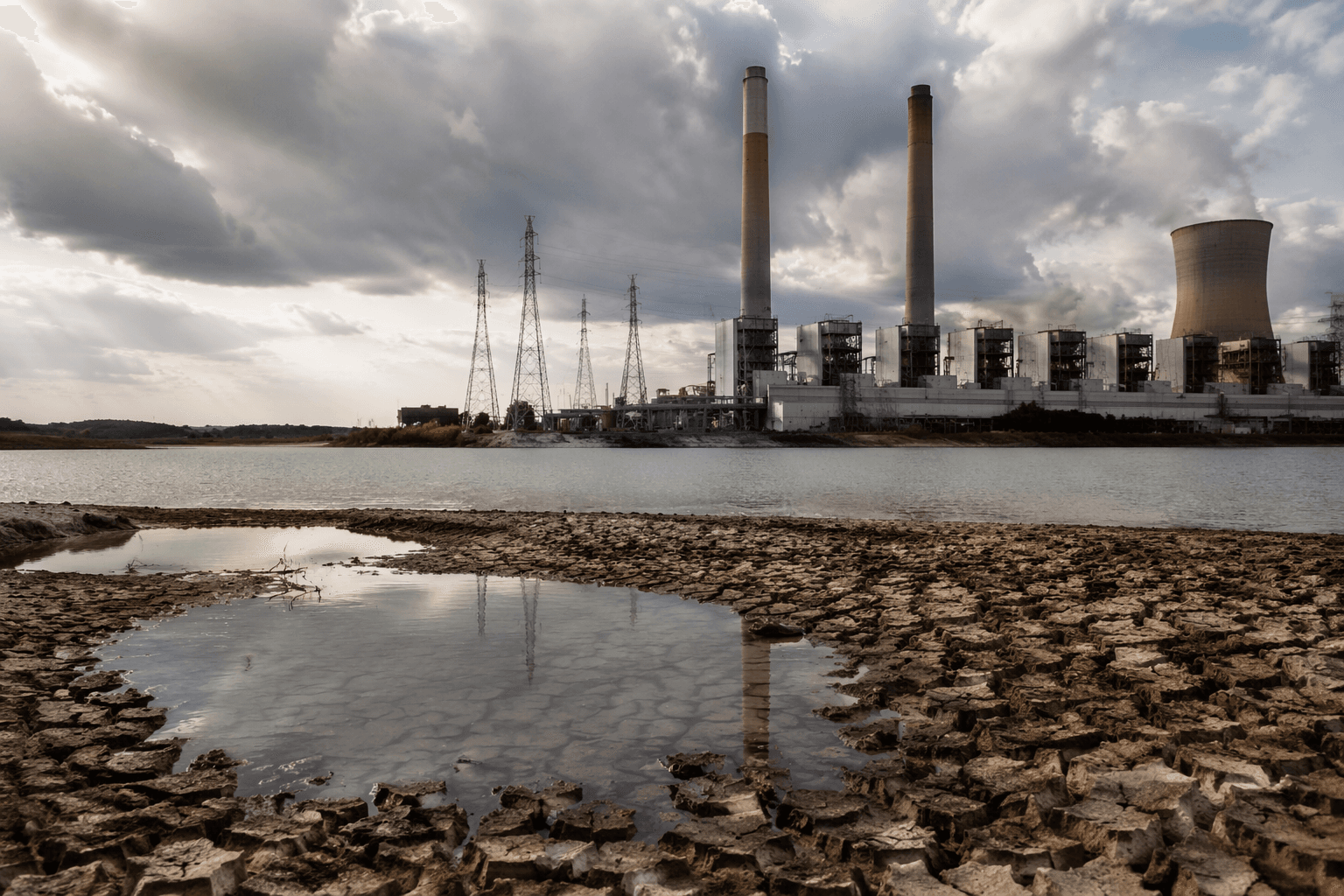
That electricity bill is only part of the burden. The report estimated that AI-related water consumption could equal the basic annual domestic needs of 1.3 billion people by the end of the decade, while the land footprint could exceed 14,500 square kilometres, roughly twice the size of the Jakarta metropolitan area. It said the debate has focused too narrowly on emissions from training large models, even though everyday use may account for about 80% to 90% of total energy demand.
The numbers point to a technology whose scale is being driven by routine consumption, not just headline-grabbing model launches. The report said one widely used AI service handles about 2.5 billion prompts a day, and that generating an AI image can use more than 1,000 times the energy needed for simple text classification. That gap matters because lower unit costs can trigger more usage, a rebound effect that can erase efficiency gains as demand rises faster than systems become cleaner.
The International Energy Agency has reached a similar conclusion on electricity pressure. It said data-centre demand is set to more than double to around 945 TWh by 2030, equal to about 3% of global electricity demand, with the United States accounting for by far the largest share of projected growth and China next. The agency also said five major technology companies spent more than $400 billion on capital investment in 2025 and are expected to raise that by another 75% in 2026, while AI-focused data centres have more than tripled in capacity over the past 18 months.
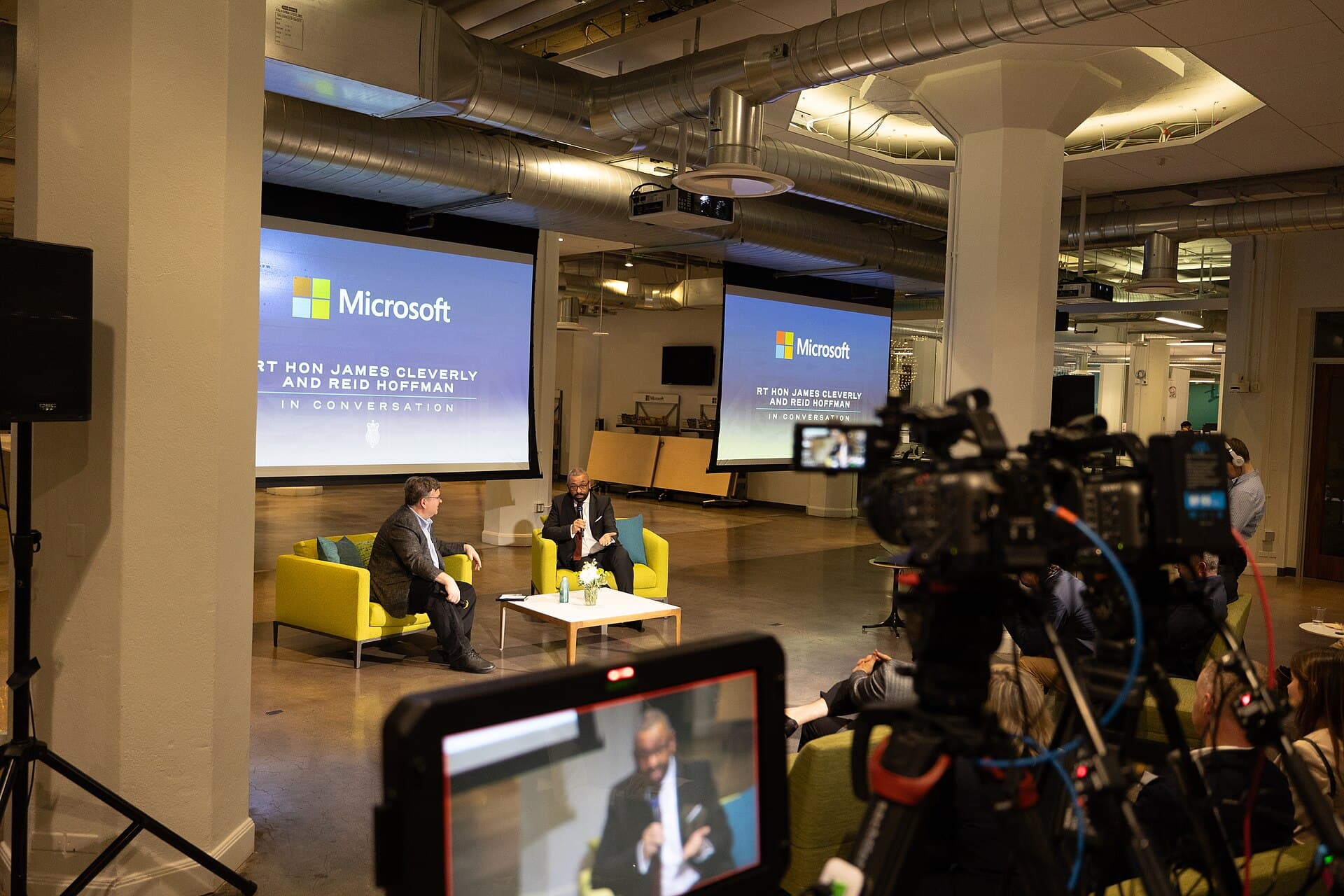
There are efficiency gains, but they have not closed the gap. Microsoft has said datacenter water is primarily used for cooling and humidification, that it reduced water intensity by more than 80% from its first generation of owned datacenters to its current generation in 2023, and that it introduced a new datacenter design in August 2024 that uses zero water for cooling. Even so, Kaveh Madani, director of UNU-INWEH, said the report was "not a case against artificial intelligence" but a call to use it responsibly and address unintended impacts proactively. The policy question now is whether governments and companies will plan AI infrastructure around water, land and power constraints before those costs land hardest on the communities asked to host it.
This article was produced by Prism’s automated news system from verified source data, official records, and press releases, then run through automated quality and moderation checks before publishing. The system is built and supervised by the people who set the standards it runs under. Read our full AI policy.
Know something we missed? Have a correction or additional information?
Submit a Tip