Central Ohio booms on Intel bet, growth strains housing and transit
Intel and Anduril are pouring billions into Central Ohio, but residents are already feeling the squeeze in housing, taxes and transit.
Central Ohio’s industrial surge is real, and so is the strain
Central Ohio is becoming a live test of whether America’s new industrial boom can deliver broad-based prosperity without pushing longtime residents to the edge. Intel’s giant chip campus, a wave of manufacturing investment and a fast-growing population are bringing money and jobs into the region, but they are also tightening housing markets, stressing transportation planning and intensifying fears of displacement.
Intel’s New Albany campus is the anchor
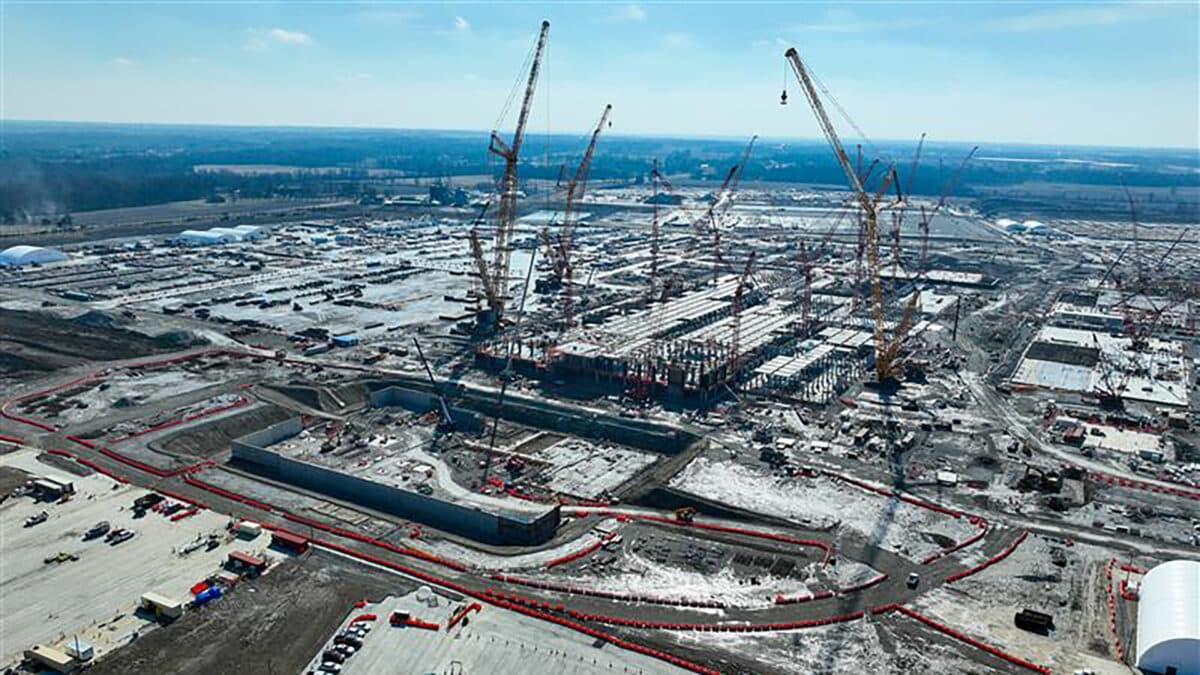
Intel’s Ohio One campus in New Albany sits at the center of the transformation. The company says it plans to invest more than $28 billion there to build two chip factories, and construction has been continuous since 2022. By 2026, Intel said it had already invested more than $5 billion in Ohio, employed 162 people for the Ohio One plant, and counted all but one of those workers as Ohio residents.
The scale reaches far beyond Intel’s own payroll. The company said it has worked with non-Intel construction workers from 83 of Ohio’s 88 counties, contributing more than 10 million construction hours. It also described the site as unusually large in environmental scope, with more than 4,500 native Ohio trees, 1,400 shrubs and over 324,000 wetland plants incorporated into the campus landscape.
Intel’s timeline has slipped, but the project is still moving forward. After updating completion dates in February 2025, the company said in 2026 that Fab 1 was planned for completion in 2030 and Fab 2 in 2031, with production expected as early as 2030 for Fab 1 and 2032 for Fab 2. Intel also told Ohio officials that it spent around $1.4 billion in the state in 2025 and did not anticipate another delay as of February 2026.
The housing gap is widening as people keep arriving
The region’s growth story is much bigger than one chip plant. The Columbus Region projected in October 2024 that central Ohio will grow by 35% to more than 3 million people by 2050, adding about 800,000 residents compared with 2020. Separate reporting in 2025 said the area’s population had already passed 2.2 million by the end of 2024, with more than 30,000 new residents added in a single year.
Housing supply is not keeping pace with the jobs and migration flowing in. Columbus Region officials say the area is currently building only one house for every 2.5 jobs coming online, a mismatch that helps explain why housing prices have been soaring, especially near the Intel plant. To blunt the pressure, local leaders point to housing bond funding approved in 2019 and 2022, which totaled $250 million, but the broader imbalance remains a central worry.
That imbalance matters because housing is where the boom becomes personal. When prices climb faster than wages, growth that looks like a win on a corporate balance sheet can quickly become a daily crisis for renters, first-time buyers and older homeowners on fixed incomes.
The workforce pipeline is being rebuilt in real time
Columbus State Community College is trying to prepare more residents for the jobs coming with this shift. In February 2026, Congress approved $9.5 million for the Ohio Center for Advanced Technologies, or OCAT, a new academic building designed to train students for careers in information technology, advanced manufacturing and biotechnology. The project also has $20 million from the Ohio General Assembly and at least $30 million from a Franklin County bond issue approved in 2020.
The initial concept calls for a building of up to 100,000 square feet, with a cost in the $60 million range. Columbus State leaders say the center is meant to meet demand from employers including Amgen, Andelyn Biosciences, Anduril, Honda/LG, Intel and Worthington Enterprises, a sign that the region’s labor needs are broadening well beyond one marquee factory.
That kind of training infrastructure is crucial if Central Ohio wants to turn growth into upward mobility. Without it, the region risks importing talent while leaving too many local residents stuck outside the pipeline for higher-paying technical jobs.
Anduril deepens the industrial bet
Intel is not the only company betting big on Columbus. On January 16, 2025, Anduril announced that it had selected the city for Arsenal-1, its first hyperscale manufacturing facility. The company said it would invest nearly $1 billion and create more than 4,000 direct jobs, calling it the largest single job-creation project in Ohio history.
Anduril said Ohio’s workforce, infrastructure and aerospace-and-defense legacy made the region a strong fit. That makes the plant more than a one-off announcement: it reinforces the sense that Central Ohio is becoming a magnet for advanced manufacturing, defense production and the supply chains that follow them.
The upside is obvious. So is the pressure. Every major employer landing in the same region adds new demand for homes, roads, utility systems, schools and the public services that make a growing place livable.
Residents are already feeling the costs
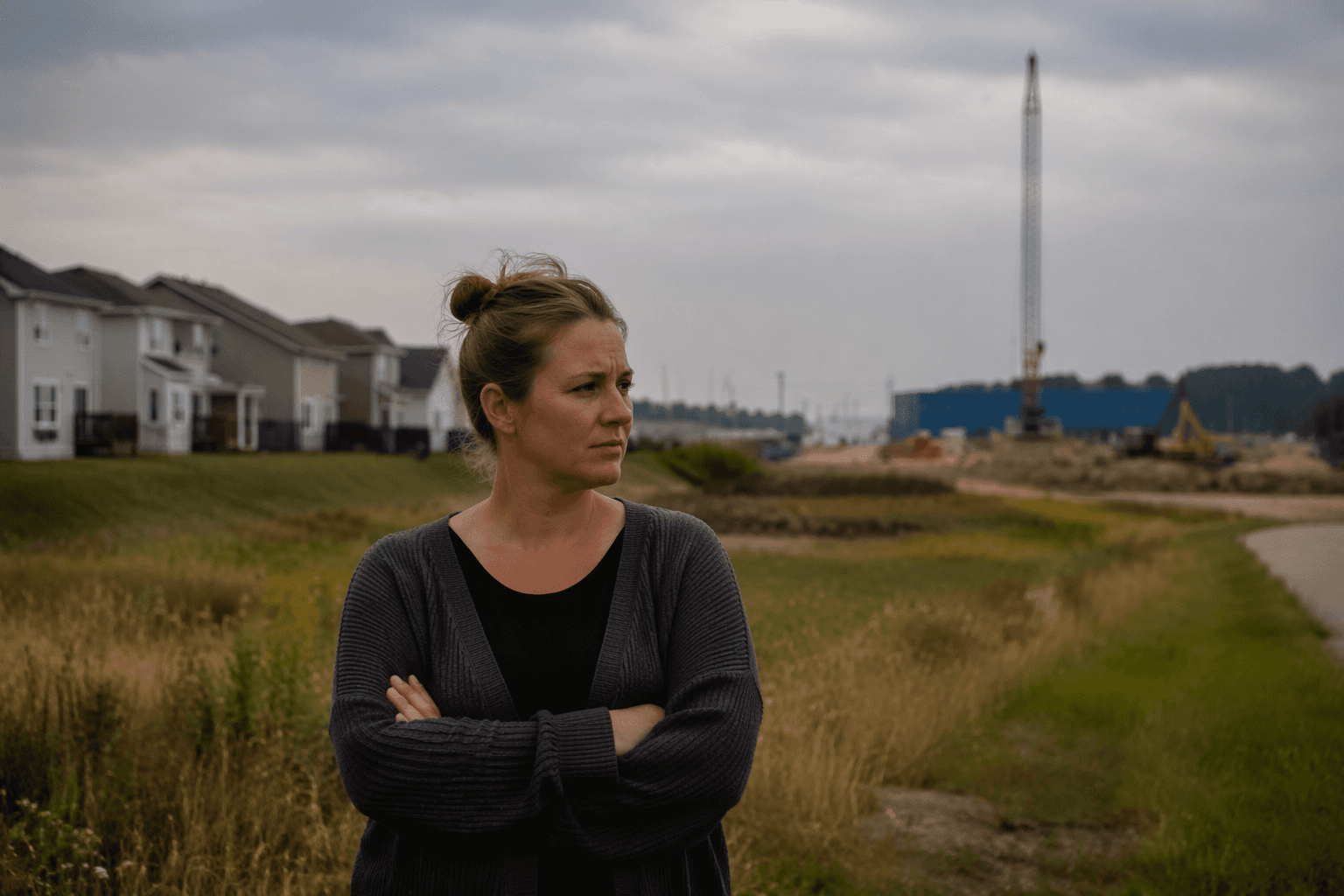
For many households, the strain is showing up first in property taxes and housing costs. Local reporting in 2025 described rising property taxes and housing pressures as a growing source of frustration for Columbus residents, and one resident said rising property taxes threatened her ability to remain in her home. That kind of anxiety is what turns a regional economic success story into a social equity issue.
The concern is not just about whether Central Ohio will grow, but who gets to stay through the growth. People who bought homes before the latest surge may find themselves squeezed by escalating assessments, while renters face a market where new demand pushes prices higher around the same job centers that are driving the boom.
The real test is whether the gains are shared
Local planners are aware of the risk. Regional planning language says the goal is to avoid repeating places like Austin, where housing shortages, traffic and strained public services followed a tech boom. Columbus Region officials say the answer is to coordinate housing, transportation and workforce strategies before growth outruns infrastructure.
That is why Central Ohio matters nationally. It is not just a story about semiconductor factories or new manufacturing campuses. It is a test of whether public investment, private capital and local planning can keep a booming region from becoming a place where prosperity is visible on the skyline but increasingly out of reach for the people already there.
This article was produced by Prism’s automated news system from verified source data, official records, and press releases, then run through automated quality and moderation checks before publishing. The system is built and supervised by the people who set the standards it runs under. Read our full AI policy.
Know something we missed? Have a correction or additional information?
Submit a Tip