AKC Guide: Tailored Play Plans Balance Energy and Mental Enrichment
AKC outlines tailored play plans balancing high-energy exercise and mental enrichment to curb problem behaviors in hyperenergetic adult dogs.

The American Kennel Club is promoting a practical approach to play and enrichment that helps owners of hyperenergetic adult dogs structure daily activity for both physical and mental benefit. The guidance emphasizes that needs vary by breed and individual and offers frameworks for balancing high-intensity games with lower-intensity mental work, with the goal of reducing nuisance behaviors tied to excess energy.
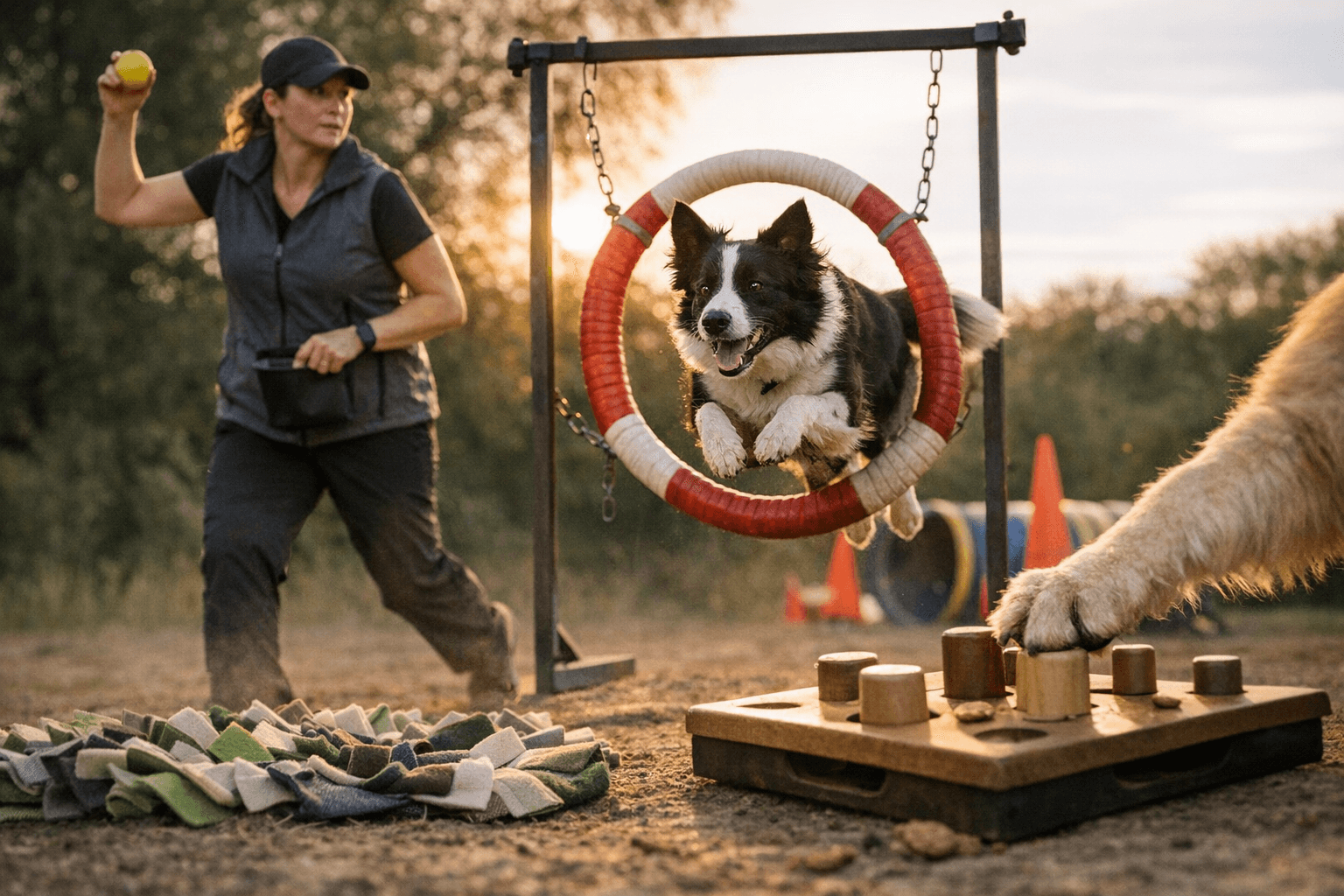
At the center of the guidance is a simple planning concept: mix movement-based outlets like fetch, flirt-pole, and tug with cognitive challenges such as puzzle feeders and nosework. Rather than relying on one type of activity, alternate sessions so the dog gets bursts of aerobic work followed by tasks that reward problem solving. That alternation both tires muscles and engages the brain, which the AKC identifies as key to preventing digging, excessive barking, and chewed furniture that often accompany energetic breeds left understimulated.
The AKC also stresses tailoring play to the dog’s condition, life stage, and training or health status. Puppies, adult dogs, and seniors need different intensity and duration; dogs recovering from injury or managing chronic conditions require modified games and veterinary guidance. Owners are advised to monitor for signs of fatigue or overexertion and to stop or change activities when a dog shows reluctance, excessive panting, limping, or other indicators of strain. Regular, appropriately paced activity is presented as a preventive measure that keeps dogs engaged without pushing them past safe limits.
Practical routines recommended include rotating toys and tasks so novelty remains high, using food-dispensing puzzles to extend mealtimes into enrichment sessions, and incorporating short scent games around the house or yard to tap natural nosework instincts. For high-intensity craving dogs, flirt-pole sessions and structured tug games provide safe outlets when supervised and combined with rules that reinforce impulse control. Owners are encouraged to blend training cues into play to consolidate obedience even during high-energy moments.
Community relevance is clear for owners battling common behavior concerns in busy households. These play plans are actionable for apartment dwellers who must maximize short outdoor windows and for yard owners who need to add mental challenges beyond open running. Trainers, daycare providers, and walking services can use the frameworks to standardize sessions that respect breed tendencies and individual limits.
For readers, the takeaway is straightforward: build daily plans that pair physical outlets with mental enrichment, watch for fatigue, and adapt activities to your dog’s age and health. Consistent, varied play helps keep tails wagging and problems at bay, and it sets the stage for a calmer, more responsive companion.
Know something we missed? Have a correction or additional information?
Submit a Tip