Alaska governor vetoes bipartisan election reform bill over implementation risks
Dunleavy blocked SB 64, a bipartisan overhaul that would let Alaskans track absentee ballots and change signature checks. Local officials now face an override fight.
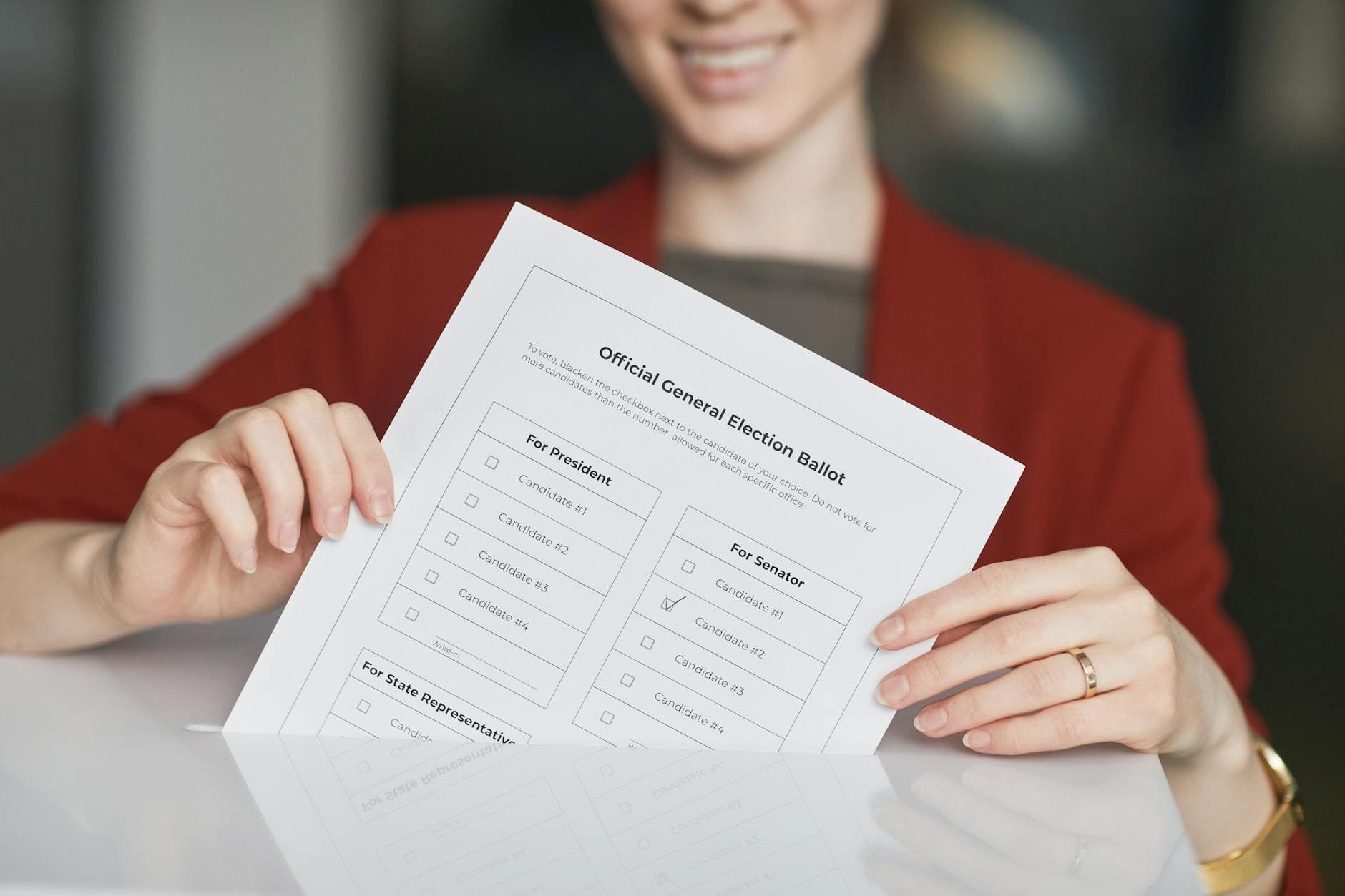
Alaska’s next election cycle just got more complicated for voters and the officials who run it. Gov. Mike Dunleavy vetoed SB 64, a bipartisan election-reform bill that would have added ballot tracking, changed absentee-ballot rules, expanded voter identification options and reshaped how Alaska maintains its voter rolls.
The veto landed after the Alaska House passed the measure 23-16 on March 23 and the Senate concurred 16-4 on March 25. The bill had moved through both chambers with support from Democrats and Republicans, and its backers cast it as a broad cleanup of election administration in a state where geography makes every mailing deadline and every verification rule matter.
Dunleavy said the package went too far, too fast. In his veto letter, he warned that the Alaska Division of Elections said the changes would be extremely difficult, if not impossible, to roll out in time for the 2026 elections. He said his biggest concerns were the bill’s effective date and its voter signature-verification provisions, arguing that Alaska needed a system that was “simple, consistent, and trustworthy.”
SB 64 would have reached well beyond ballot tracking. Legislative summaries say it was designed to clean up voter rolls, remove barriers to voting, improve results reporting and add ballot-tracking barcodes for absentee ballots. The enrolled bill also included provisions on voter registration, campaign contributions, write-in candidates for president and vice president, unlawful interference with voting and election official misconduct.
Supporters said those changes would improve access and transparency, especially outside the state’s population centers. The Alaska Federation of Natives backed the measure, saying it would remove barriers to voting for Alaska Native communities, add tribal IDs as valid voter identification and create rural election liaisons. That argument carries particular weight in rural Alaska, where long distances, weather and limited mail service can make absentee voting more fragile than in Anchorage or Juneau.

The veto now sets up a likely override fight in the coming days. Senate Minority Leader Mike Cronk, a Republican, called the bill a good baseline measure that would benefit Alaskans. Bill Wielechowski, the Senate Rules Committee chair and the bill’s sponsor, did not immediately comment.
The broader stakes reach beyond Juneau. Alaska is the nation’s largest state by area and one of its hardest places to administer elections, which makes it a test case for the national argument over how far lawmakers can expand access without overloading the machinery that delivers ballots, checks signatures and counts votes. Voters are scheduled to choose a governor, lieutenant governor, members of Congress and state legislators later this year, with the rules for that election now at the center of the fight.
This article was produced by Prism’s automated news system from verified source data, official records, and press releases, then run through automated quality and moderation checks before publishing. The system is built and supervised by the people who set the standards it runs under. Read our full AI policy.
Did this article answer your question?

