Republicans back Trump on Iran ceasefire as war powers deadline nears
Republicans kept deferring to Trump as the Iran ceasefire held, even as the 60-day War Powers clock forced Congress to confront its power over war.

Republican lawmakers kept deferring to President Donald Trump as the fragile ceasefire with Iran held, but the War Powers Resolution deadline forced a bigger question in Washington: whether Congress would keep surrendering its constitutional authority over military force. The law requires a president to notify Congress within 48 hours of sending U.S. forces into hostilities and then end the action after 60 days unless lawmakers authorize it.
CBS News reported that Trump informed congressional leaders in a March 2 letter, starting the 60-day clock. That timeline followed the Feb. 28 opening strikes by the United States and Israel against Iran and set up a Friday deadline, even as the conflict remained mostly paused after a ceasefire was announced on April 8. Administration officials argued the ceasefire may have paused the clock, a view that Republicans repeated while giving Trump wide latitude.

The White House said it has tried to keep Congress informed, with one official saying the administration held more than 30 bipartisan briefings for lawmakers. Defense Secretary Pete Hegseth told lawmakers the White House believes the 60-day clock “pauses or stops” during a ceasefire. But Senate Democrats countered that the law contains no such exception and that continued military action without congressional approval would be unlawful.
On Capitol Hill, Republicans in both chambers blocked more than half a dozen Democratic war-powers resolutions aimed at curbing Trump’s authority over Iran. Sen. John Curtis of Utah said earlier this month that he would not support ongoing military action beyond a 60-day window without congressional approval, a sign that some GOP resistance could emerge if the deadline passed without legislative approval. Sen. Rand Paul of Kentucky has been the lone Republican to back one of the anti-war-powers efforts, putting him apart from most of his party.
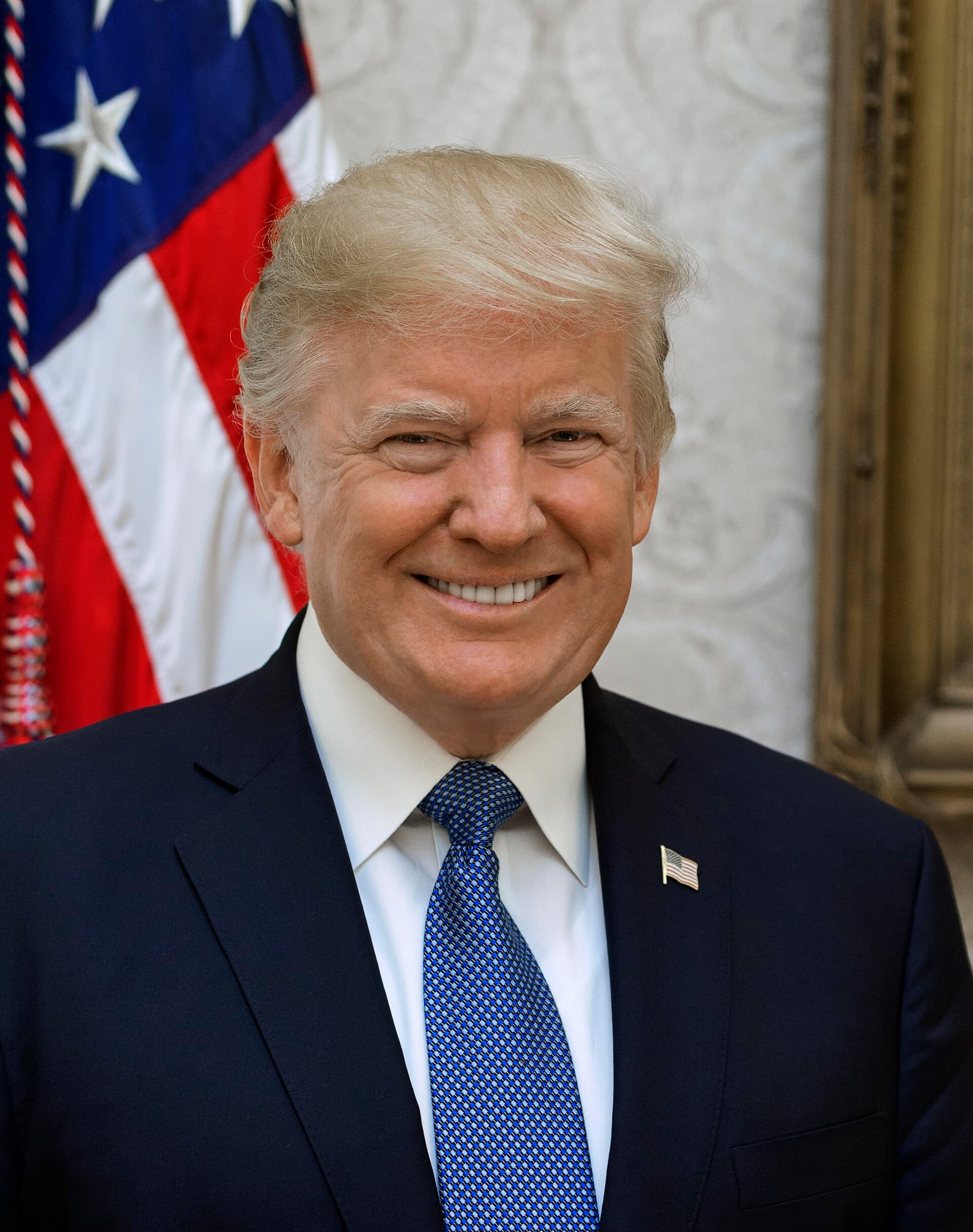
The fight has become a test of whether Republican deference to Trump would override Congress’s war powers during a fragile ceasefire. For Democrats such as Tammy Duckworth and Tim Kaine, the issue is not only this conflict but the precedent it could set for future presidents who send troops into hostilities first and ask Congress later.
Know something we missed? Have a correction or additional information?
Submit a Tip