Alaska landslide triggers record tsunami, highlighting rising fjord danger
A massive landslide in Tracy Arm fjord sent a 481-meter tsunami wall across Alaska, a near-miss that exposed rising danger for cruise routes.
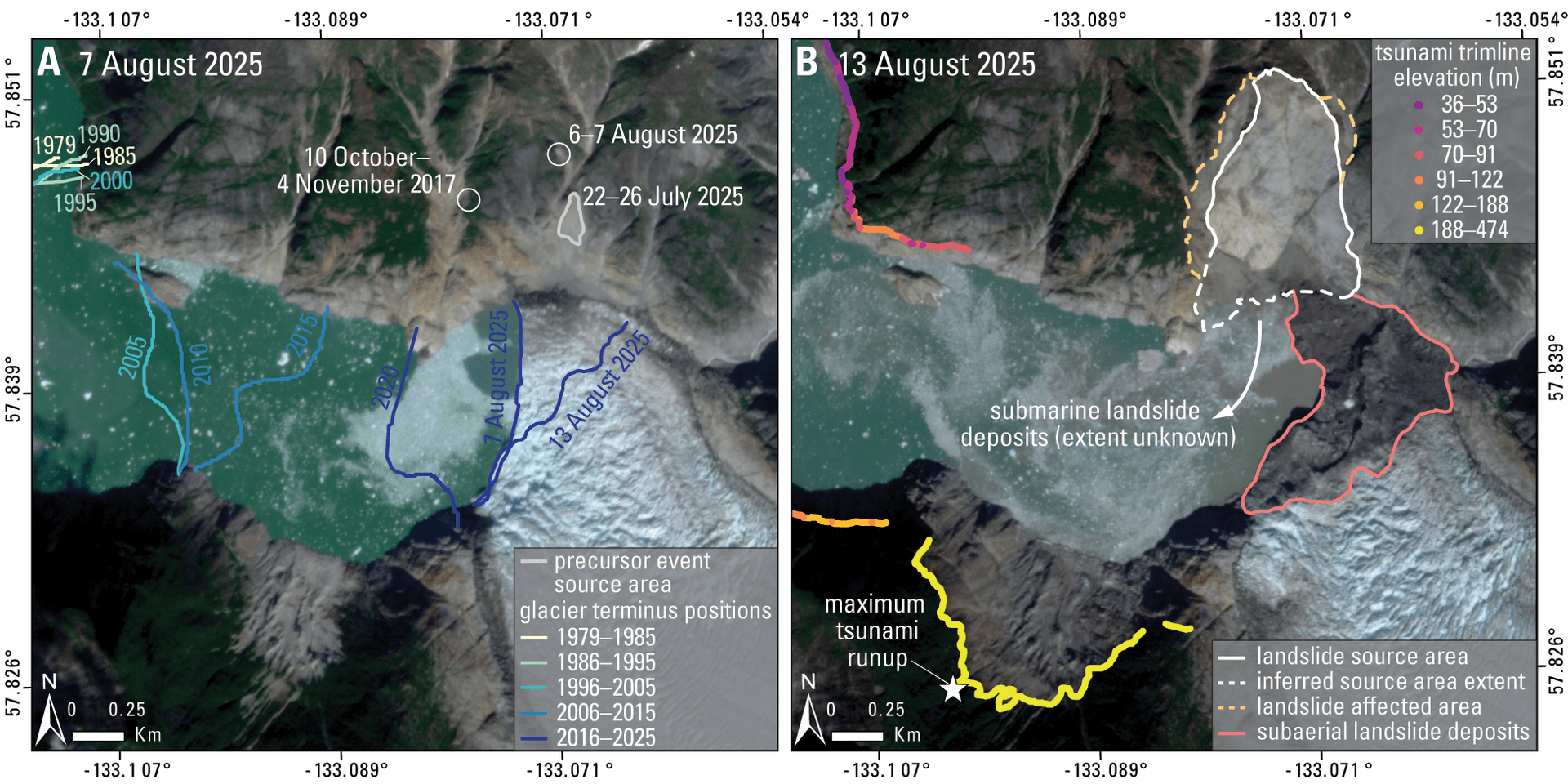
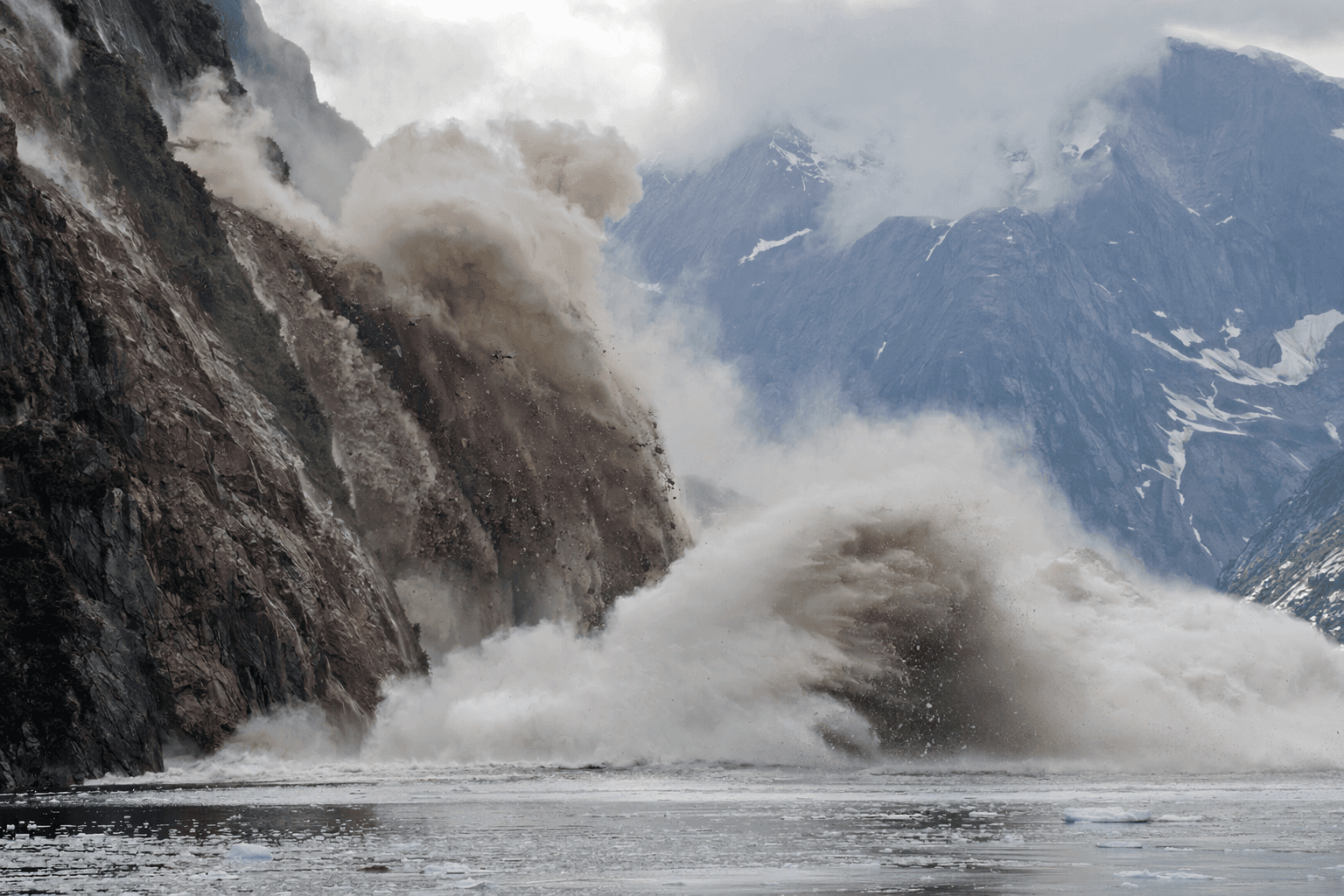
A landslide in Tracy Arm fjord turned a quiet Southeast Alaska morning into one of the largest wave events ever recorded, sending a 100-meter breaking wave racing across the water and lifting the opposite fjord wall by 481 meters, or about 1,580 feet. Scientists said the collapse, which involved more than 64 million cubic meters of rock and debris, produced the second-highest tsunami in recorded history.
No ships were nearby when the slide hit on Aug. 10, 2025, and no one was hurt. That was the narrow margin that kept the disaster from becoming a mass-casualty event. Just about 12 hours earlier, passengers aboard the Hanse Explorer had been taking selfies and videos of South Sawyer Glacier before the ship left the fjord, underscoring how close the system came to a far more dangerous outcome.
Researchers say the slope was destabilized over time by glacial retreat associated with climate change. The glacier below the slide area had pulled back more than a third of a mile in the two months before failure, while heavy rain and several days of increasing microseismicity added pressure before the collapse. The event also sent seismic waves equal to a magnitude 5.4 earthquake and left behind a long-period seiche that persisted for as long as 36 hours.
The findings sharpen a warning for fjord regions from Alaska to other high-latitude coasts. These landscapes are increasingly exposed as cruise traffic reaches remote glacial bays that are often promoted as safe, scenic escapes. After the Tracy Arm event, some cruise lines began avoiding the fjord, a sign that the risk is already changing travel behavior even without a direct strike on a vessel.
Scientists including Dan H. Shugar, Michael E. West, Ezgi Karasözen, Katherine R. Barnhart and Stephen P. Hicks have pointed to a strong case for a landslide monitoring and alert program in Alaska. The Alaska Earthquake Center says the challenge is not just detecting a slide after it happens, but understanding where and when unstable slopes are most likely to fail. In a warming climate, that question now has direct consequences for cruise safety, coastal planning and the warning systems that may decide whether the next near-miss stays near.
This article was produced by Prism’s automated news system from verified source data, official records, and press releases, then run through automated quality and moderation checks before publishing. The system is built and supervised by the people who set the standards it runs under. Read our full AI policy.
Know something we missed? Have a correction or additional information?
Submit a Tip