Mother's Day roots trace to peace activism, motherhood in America
Mother’s Day began as a peace movement, and its modern meaning is still shaped by work, money, and the realities of raising children in America.
Mother’s Day began as civic action, not just sentiment
The holiday now associated with flowers, brunch, and phone calls from grown children traces back to a far more public mission. Mother’s Day in the United States falls on Sunday, May 10, 2026, and its roots reach to the activism of Ann Reeves Jarvis in West Virginia and Julia Ward Howe in Boston, who promoted mothers as community peacemakers after the Civil War.
Anna Jarvis organized the first Mother’s Day observance on May 10, 1908, in Grafton, West Virginia, and Philadelphia, Pennsylvania. Congress later made the second Sunday in May Mother’s Day in 1914, turning what began as a local observance into a national holiday. That history matters because it shows Mother’s Day was built around civic purpose as much as personal gratitude.
The U.S. Census Bureau’s Mother’s Day materials make the point plainly: the holiday’s beginnings were organized, intentional, and tied to ideas of public responsibility. That older tradition still gives the day a political edge, even when the modern version looks mostly like a family ritual.
What mothers have been asked to carry has changed
The scale of motherhood in America has shifted dramatically across generations. In 1968, about 7.6 million children, or 11 percent, lived only with their mother. By 2020, that number had grown to 15.3 million, or 21 percent. The change reflects a broader transformation in family structure, parenting, and the economic weight placed on mothers.
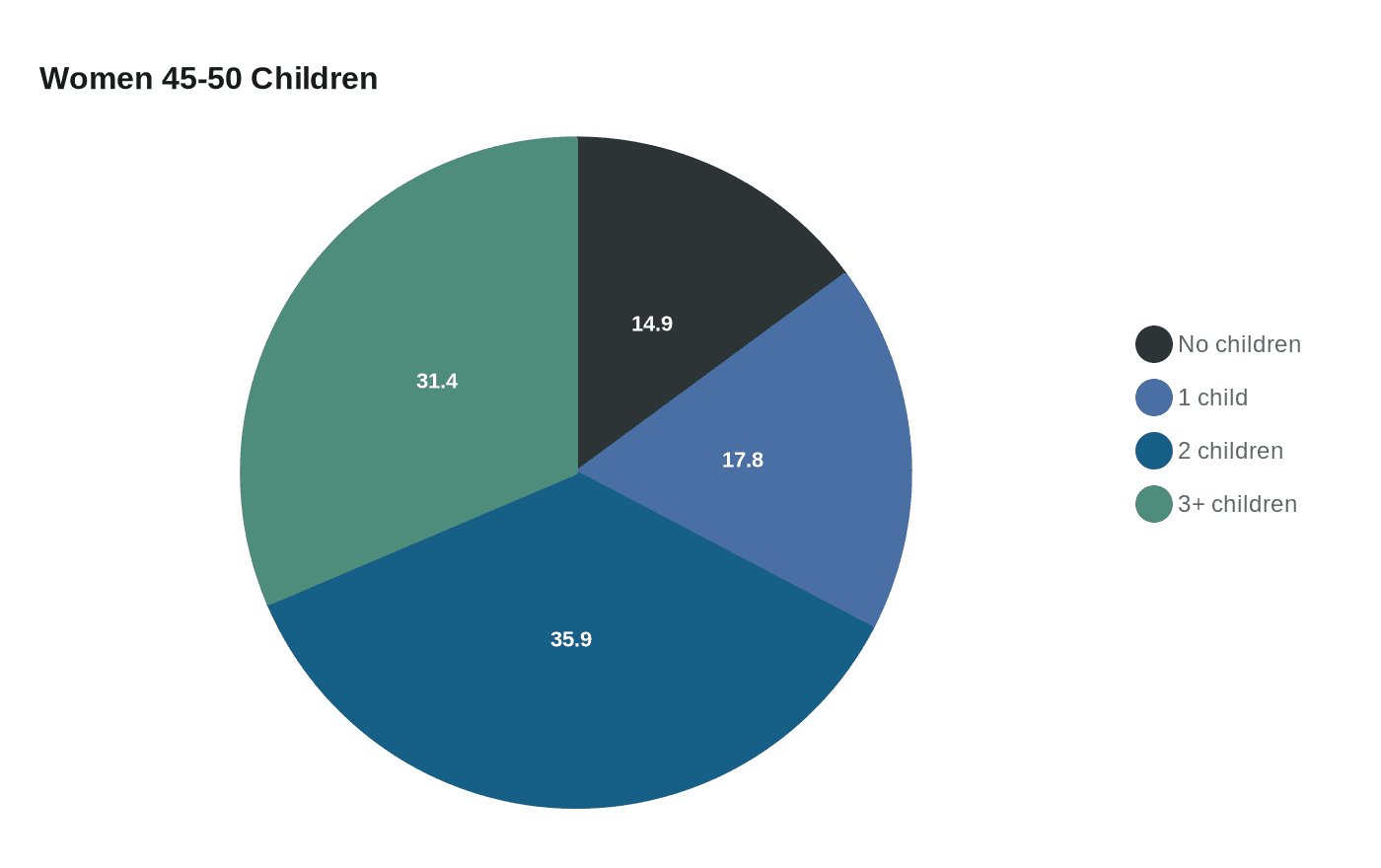
The Census Bureau’s 2024 data on women ages 45 to 50 show how varied family life has become. About 14.9 percent had no children, 17.8 percent had one child, 35.9 percent had two children, and 31.4 percent had three or more children. Motherhood in America is no longer one track or one shape; it spans large families, smaller families, and women who never had children at all.
Education tells another part of the story. Among women giving birth in the last year, about 40 percent had a bachelor’s degree or higher, and roughly 90 percent had completed high school or higher. That means the advice handed down through families now meets a generation of mothers balancing child care with longer schooling, more formal careers, and the demands of a fast-moving economy.
The advice that survives is practical, not polished
What keeps getting passed down is not perfect wisdom. It is the kind of advice that can survive a long workday, a tight budget, a crying child, and a rough week. Mothers still teach how to stretch a paycheck, how to hold a household together, how to keep going when sleep is short, and how to ask for help before exhaustion hardens into crisis.
That is why Mother’s Day still lands in a country where many families are managing work schedules, child care costs, and mental health at the same time. The stories Americans remember from their mothers often sound simple, but they carry real instructions for modern life: protect your time, save what you can, speak up for yourself, and keep your people close. These are not sentimental lines. They are survival skills.
The holiday’s endurance suggests that family advice remains one of the nation’s most durable forms of civic education. It teaches budgeting as well as tenderness, endurance as well as care. In a period when parenting can feel like a private struggle, Mother’s Day makes that struggle visible and shared.
A holiday with a public face still has one
The White House marked Mother’s Day with a military mothers celebration on May 8, 2025, and First Lady Melania Trump used the occasion to honor the courage and resilience of America’s military mothers while emphasizing the importance of women prioritizing their own well-being. That combination of sacrifice and self-care fits the holiday’s deeper history. It also shows how presidents and first ladies still use Mother’s Day to speak about service, family, and national values.
That public framing matters because motherhood is not only personal in America. It is also a matter of institutions, labor, and civic recognition. The government has tracked the changing shape of families for decades, and the White House has used the holiday to spotlight mothers whose work is often invisible until it becomes a public priority.
Mother’s Day endures because it sits at the intersection of private gratitude and public history. It honors the mother who taught a child to budget, the one who insisted on rest, the one who fought to keep a family steady, and the generations of women who made peace, care, and resilience part of the national story.
This article was produced by Prism’s automated news system from verified source data, official records, and press releases, then run through automated quality and moderation checks before publishing. The system is built and supervised by the people who set the standards it runs under. Read our full AI policy.
Know something we missed? Have a correction or additional information?
Submit a Tip