Alberta sets October referendum on independence question amid legal fight
Alberta’s separatist question is headed for an October 19 ballot, but the vote would only launch a legal process, not secede outright.
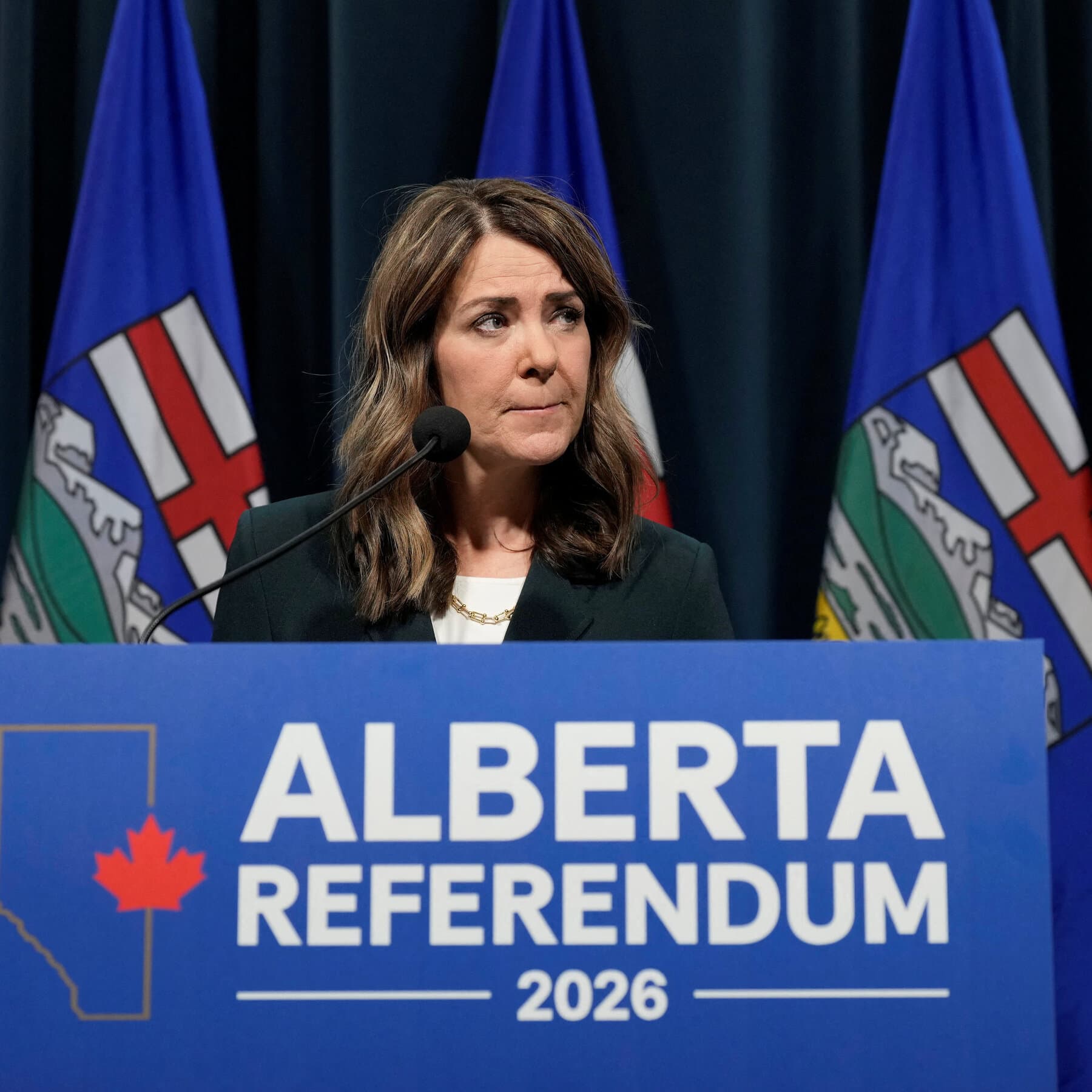
Alberta’s separatist question is moving toward the ballot on October 19, 2026, but it would not directly ask voters to leave Canada. Instead, the proposed measure would ask whether Alberta should begin the legal process toward a binding referendum on separation, turning a protest campaign into a formal test of the province’s place in Confederation.
The petition, issued by Elections Alberta under the title “A Referendum Relating to Alberta Independence,” was cleared after the chief electoral officer said the required financial-officer rules had been met. Organizers first had to gather 177,732 valid signatures, or 10 per cent of the votes cast in Alberta’s 2023 provincial election. They later said they submitted about 301,620 signatures, a margin that would appear to clear the threshold if verified.
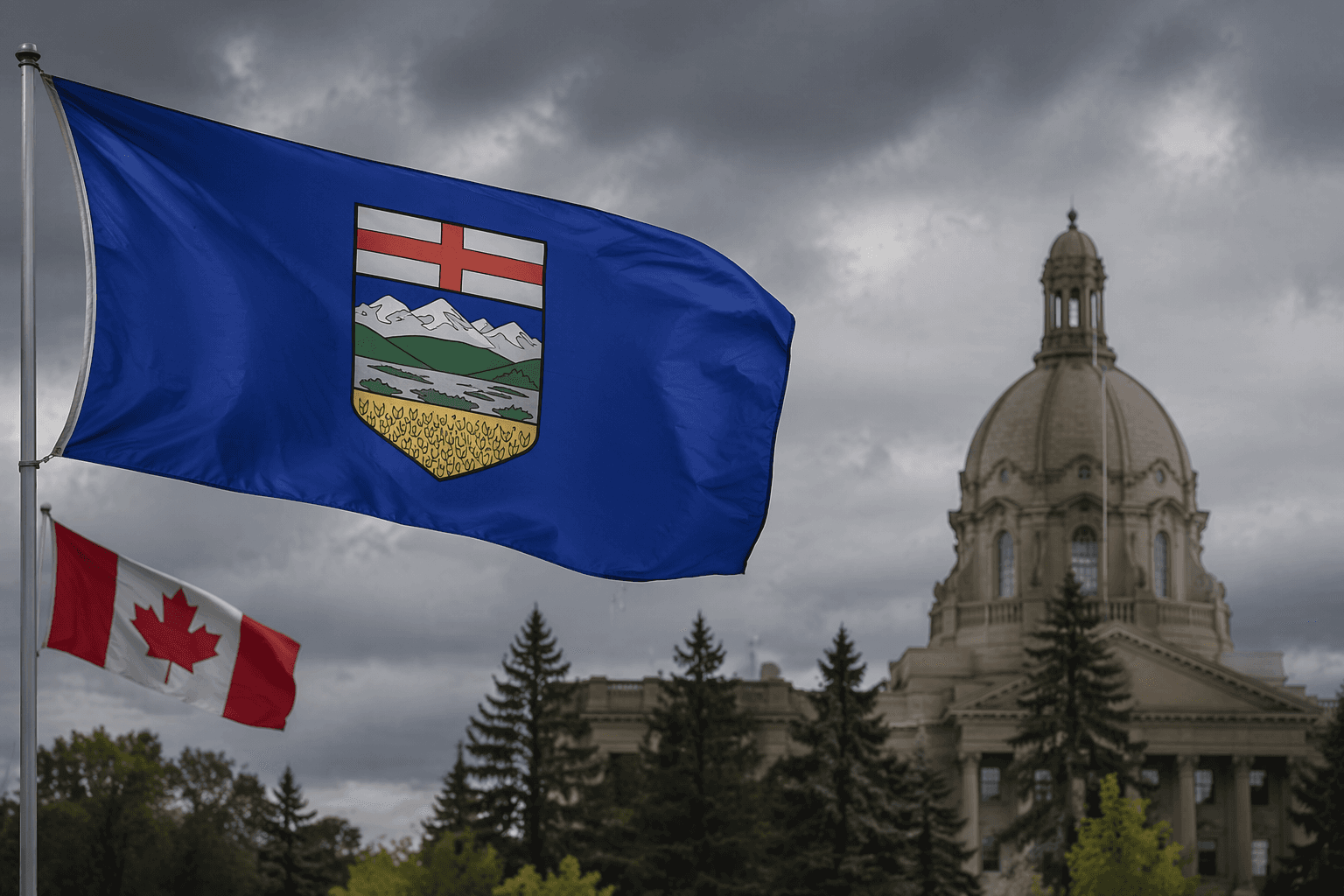
That verification has been slowed by a court stay and by legal challenges tied to treaty rights and consultation with Indigenous peoples. Those disputes go to the heart of why Alberta’s separatist push faces far more than a provincial tally. Under Canada’s Clarity Act, the House of Commons must decide whether any secession question is clear enough before federal negotiations can proceed. The Supreme Court of Canada’s Quebec Secession Reference went further, saying unilateral provincial secession is not lawful and that any breakup would require constitutional negotiations involving the federal government and all provinces.
Premier Danielle Smith has said she would proceed if the signatures were gathered and verified, a stance that has given the movement institutional legitimacy even as it remains politically explosive. Separatist organizers have framed the campaign as a democratic release valve, while Indigenous leaders, constitutional lawyers and anti-separatist campaigners have warned that no referendum can erase treaty obligations or the need for consultation with First Nations.
The counterpressure is already visible. The pro-Canada “Forever Canadian” petition has drawn substantial support, suggesting Alberta’s separatist surge has also mobilized an organized defense of Confederation. That push comes amid familiar western grievances over energy policy, equalization, immigration and what critics describe as regional alienation from Ottawa.
Quebec remains the central precedent. Canada’s modern secession framework was shaped by the 1998 Quebec Secession Reference and the Clarity Act in 2000, which together established that a province cannot leave on its own and that the clarity of both the question and the majority matters. Alberta’s October vote is therefore less a clean path to independence than a stress test of whether democratic pressure, constitutional rules and federal bargaining can still contain a province that is trying to turn symbolic rebellion into a real legal route out of Canada.
This article was produced by Prism’s automated news system from verified source data, official records, and press releases, then run through automated quality and moderation checks before publishing. The system is built and supervised by the people who set the standards it runs under. Read our full AI policy.
Know something we missed? Have a correction or additional information?
Submit a Tip