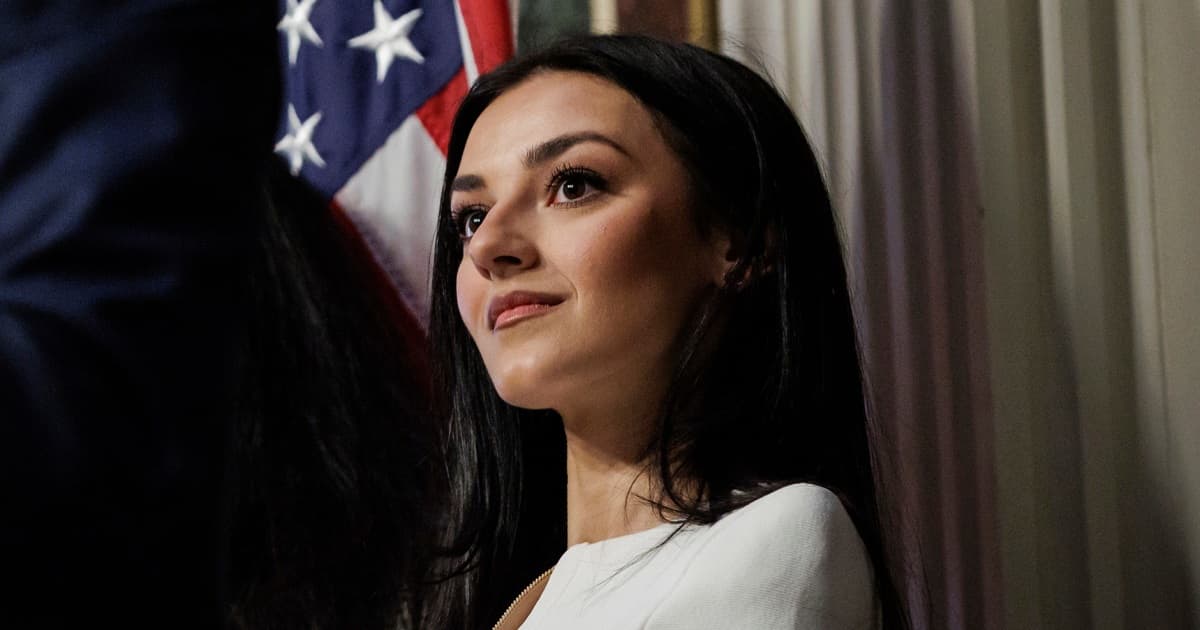
Schumer leads Senate Democrats’ bid to block Trump’s redress fund
Schumer vowed to force Republicans to vote on Trump’s $1.776 billion redress fund, as a federal judge already paused the plan and blue-state Democrats moved to tax any payouts.

Senate Democrats opened a direct fight over President Donald Trump’s $1.776 billion anti-weaponization fund, with Senate Democratic Leader Chuck Schumer promising to force Republicans to take a public vote and block the plan before “one cent” leaves the federal treasury.
The Justice Department announced the fund on May 18 as part of the settlement in President Donald J. Trump v. Internal Revenue Service. Under the deal, Trump, Donald Trump Jr., Eric Trump and the Trump Organization would receive a formal apology but no money, while they agreed to drop their lawsuit against the Treasury Department and IRS over the leak of Trump’s tax returns and withdraw related administrative claims. DOJ said the fund would be financed by $1.776 billion from the Judgment Fund, would have no partisan requirements, would be subject to quarterly reporting and possible auditing, and would stop processing claims no later than December 1, 2028. Any money left over after the fund ends would revert to the federal government.
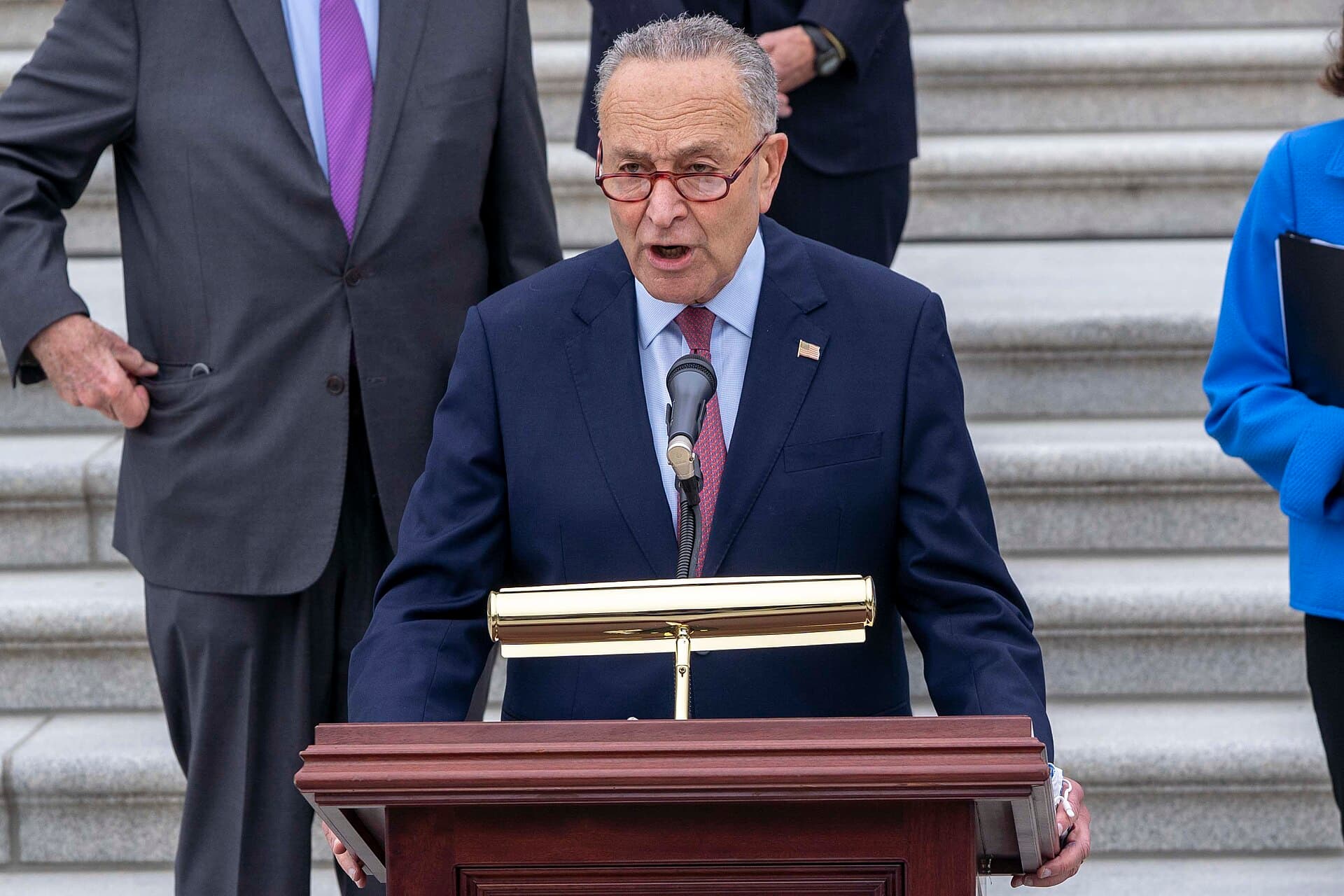
Schumer, in a Dear Colleague letter on June 1, said Democrats would mount a coordinated effort to kill what he called a “slush fund” and would oppose the plan whether Republicans tried to move it through reconciliation, appropriations or another procedural route. Senate Democrats said they would reject any “fake guardrails” or compromise that kept the fund alive. The maneuvering has already rippled beyond the single settlement and into wider budget talks on Capitol Hill.
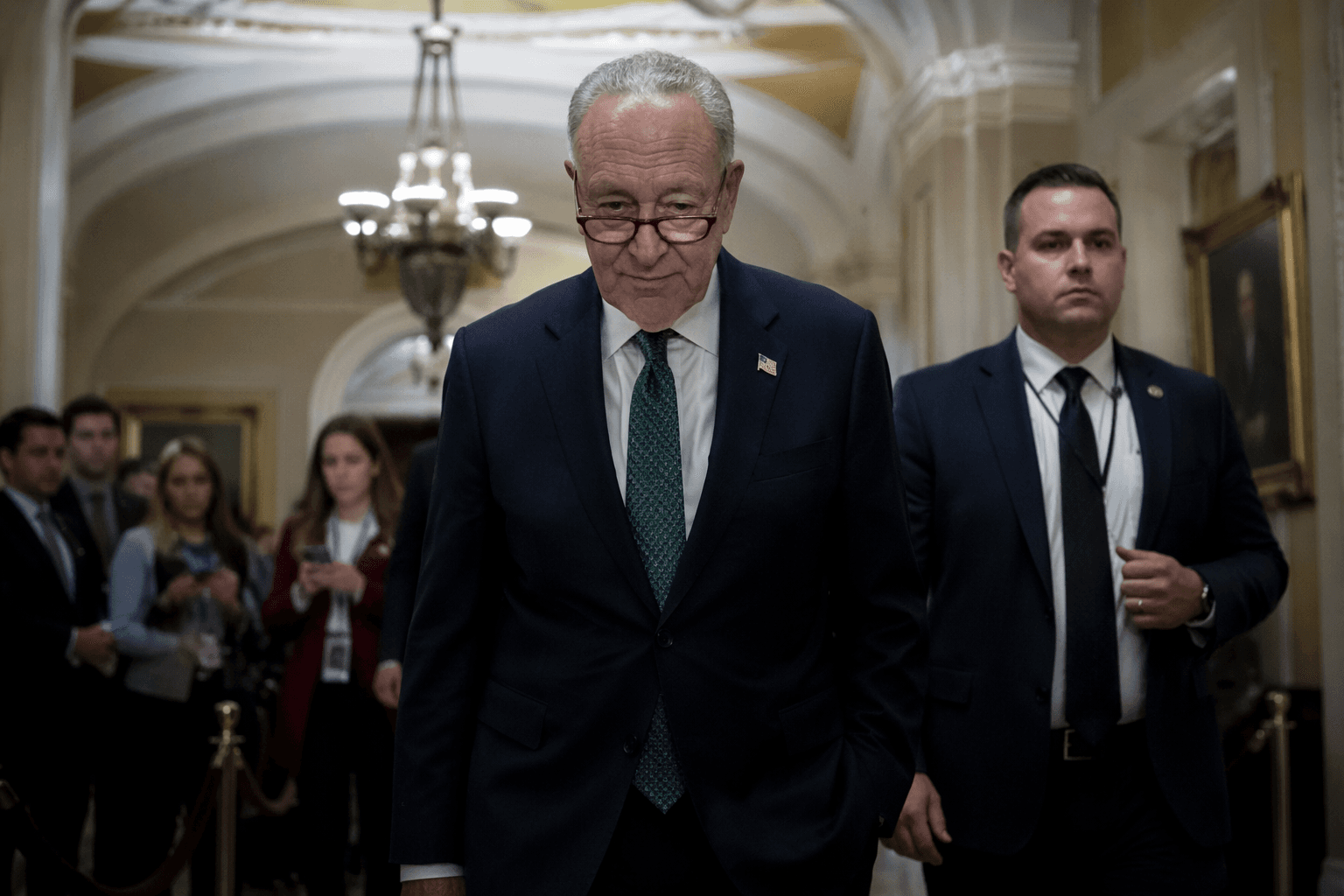
Republicans were already running into resistance inside their own conference. Senate GOP leaders delayed a planned vote on a roughly $72 billion immigration-enforcement reconciliation package after several senators objected to including the anti-weaponization fund. White House and Justice Department officials had briefed Republicans on the proposal for more than an hour and a half, but lawmakers still sought clearer limits on who could receive money and how the claims process would work.
The dispute has also moved into the courts. U.S. District Judge Leonie Brinkema issued a temporary restraining order on May 29, pausing the fund until at least a June 12 hearing after plaintiffs argued it amounted to an unconstitutional use of taxpayer money and a politically biased payout scheme. The legal challenge gave Democrats fresh momentum, and it underscored how fragile the settlement may be even before the Senate acts.
Outside Washington, blue-state Democrats have begun exploring a separate pressure point: taxing any payouts from the fund at 100 percent. California Gov. Gavin Newsom endorsed the idea, and New York Gov. Kathy Hochul said she was open to it. Similar proposals have surfaced in Illinois and New Jersey, signaling that the fight over the fund could quickly become a state-level clash as well.
Critics, including some Republicans, say the proposal could end up benefiting Trump allies, including people convicted in connection with the Jan. 6, 2021, Capitol attack. Some GOP lawmakers have pushed to bar anyone convicted of assaulting Capitol Police officers from receiving payments. What began as a settlement dispute is now testing whether the Justice Department is being insulated from politics or turned into a vehicle for it.
This article was produced by Prism’s automated news system from verified source data, official records, and press releases, then run through automated quality and moderation checks before publishing. The system is built and supervised by the people who set the standards it runs under. Read our full AI policy.
Know something we missed? Have a correction or additional information?
Submit a Tip