Algae returns to Washington’s Reflecting Pool after $14 million renovation
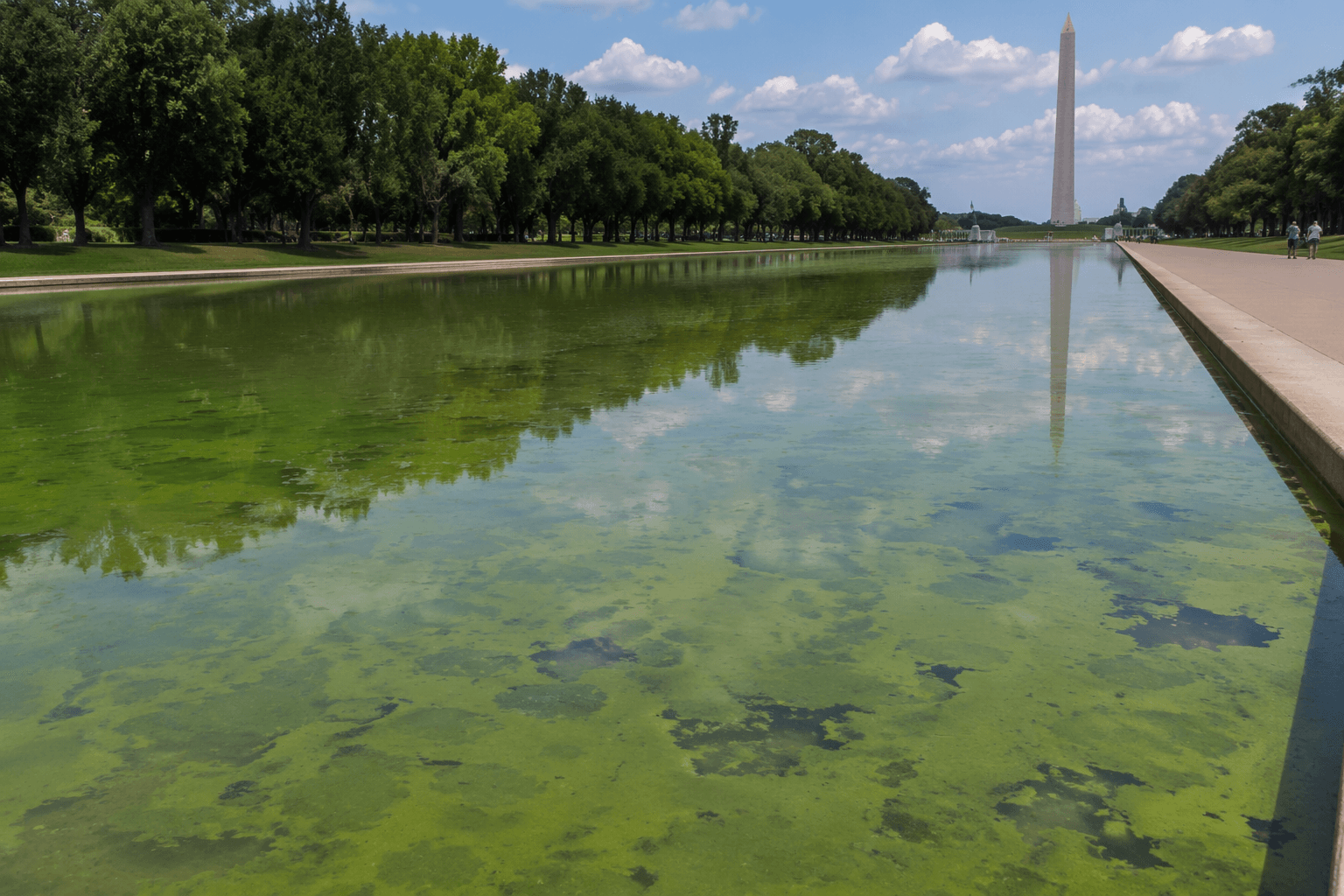
A green bloom reappeared days after the Reflecting Pool’s $14 million renovation, reviving questions about upkeep at one of Washington’s most symbolic landmarks.

The Lincoln Memorial Reflecting Pool, a centerpiece of American civic memory, is again showing a green bloom just days after a $14 million renovation finished. The discoloration has turned one of the National Mall’s most photographed stretches of water into a visible test of whether federal stewardship can keep pace with heat, stagnation and aging infrastructure.
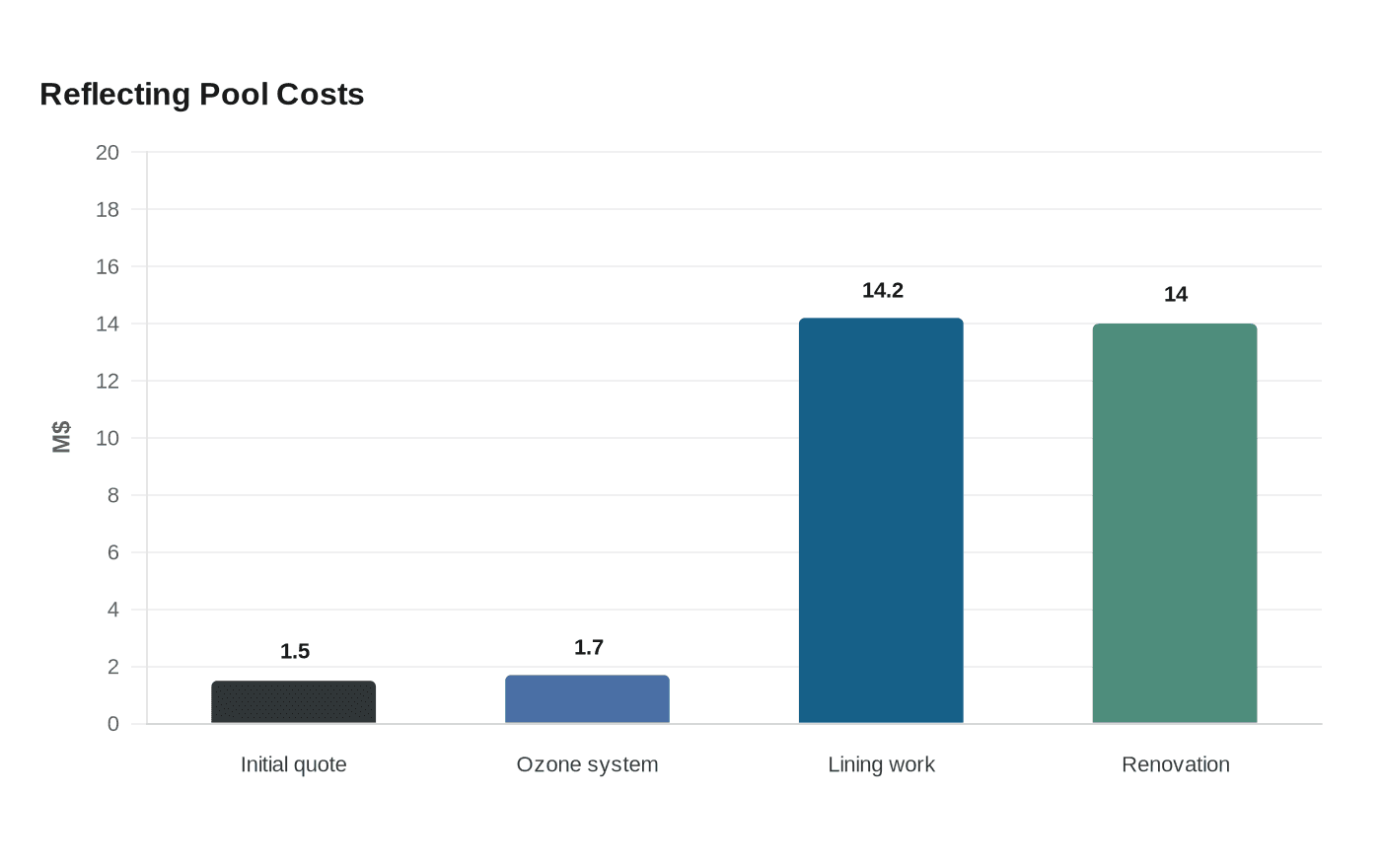
The National Park Service said the 2026 project began in April and was meant to clean the pool, repair joints and install new lining material. But POLITICO reported that algae was visible within days of completion, and the Interior Department said the bloom was “residual” from supply lines that had sat dormant for eight weeks during construction. The department said that startup problem was normal.
The cost alone underscores the stakes. POLITICO reported that federal contracting records showed $1.7 million for an ozone nanobubbling system and $14.2 million for the lining work, far above the roughly $1.5 million figure Donald Trump initially quoted. Interior said the National Park Service would use nanobubblers and hydrogen peroxide to fight the algae, while Smithsonian scientist Brooks Barrett said there was “no quick fix” because the pool is warm and stagnant.
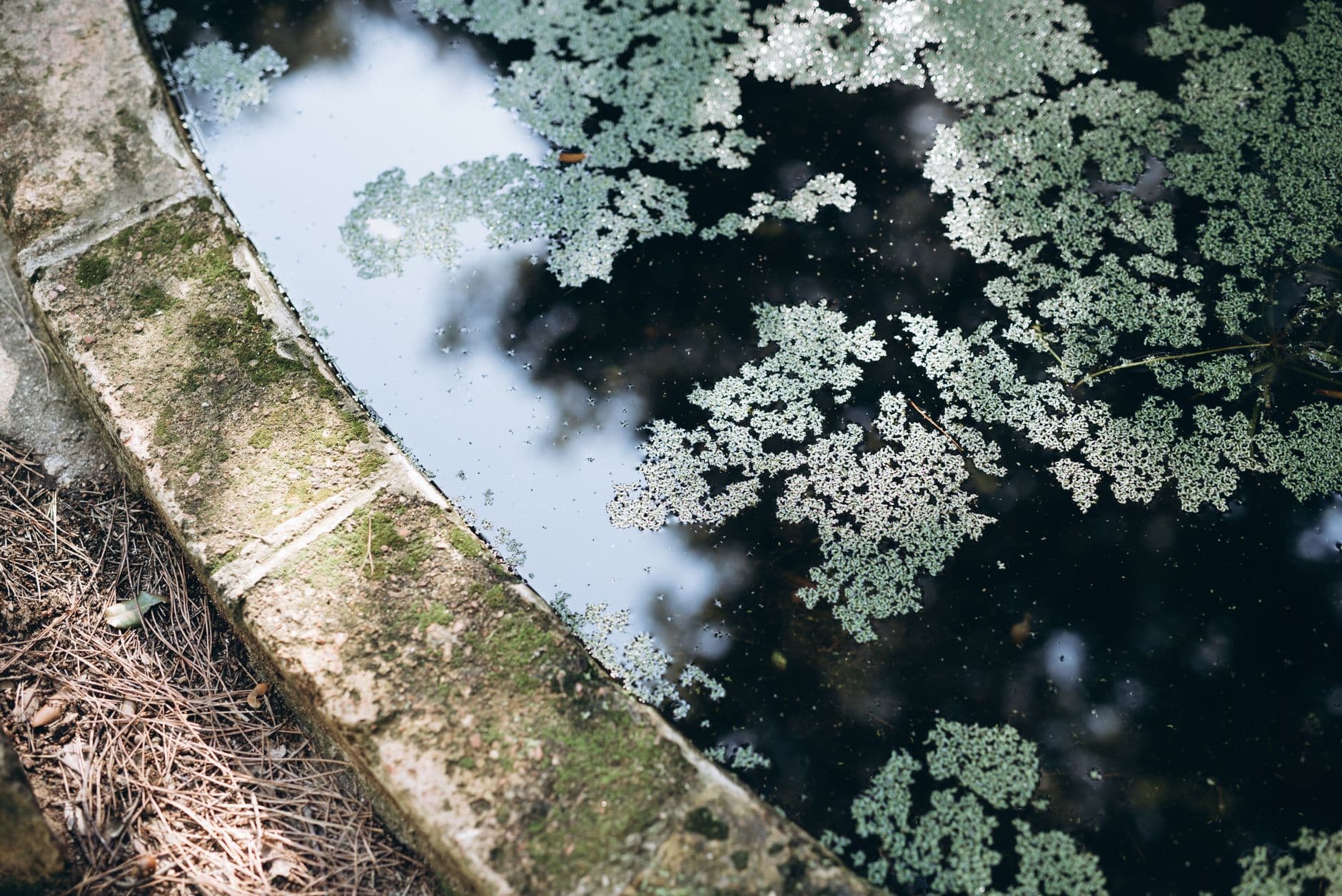
This was not the pool’s first water-quality failure. In May 2019, the National Park Service drained it after a broken water line compromised circulation and caused algae growth and a noticeable green tint. The agency said then that repairs and cleaning would take about a week after a drain-down expected to last five to six days. Earlier rehabilitation work had already made the Reflecting Pool the largest ongoing National Park Service project under the 2009 American Recovery and Reinvestment Act, with a $34 million restoration that closed the pool for reconstruction in the 2010s.
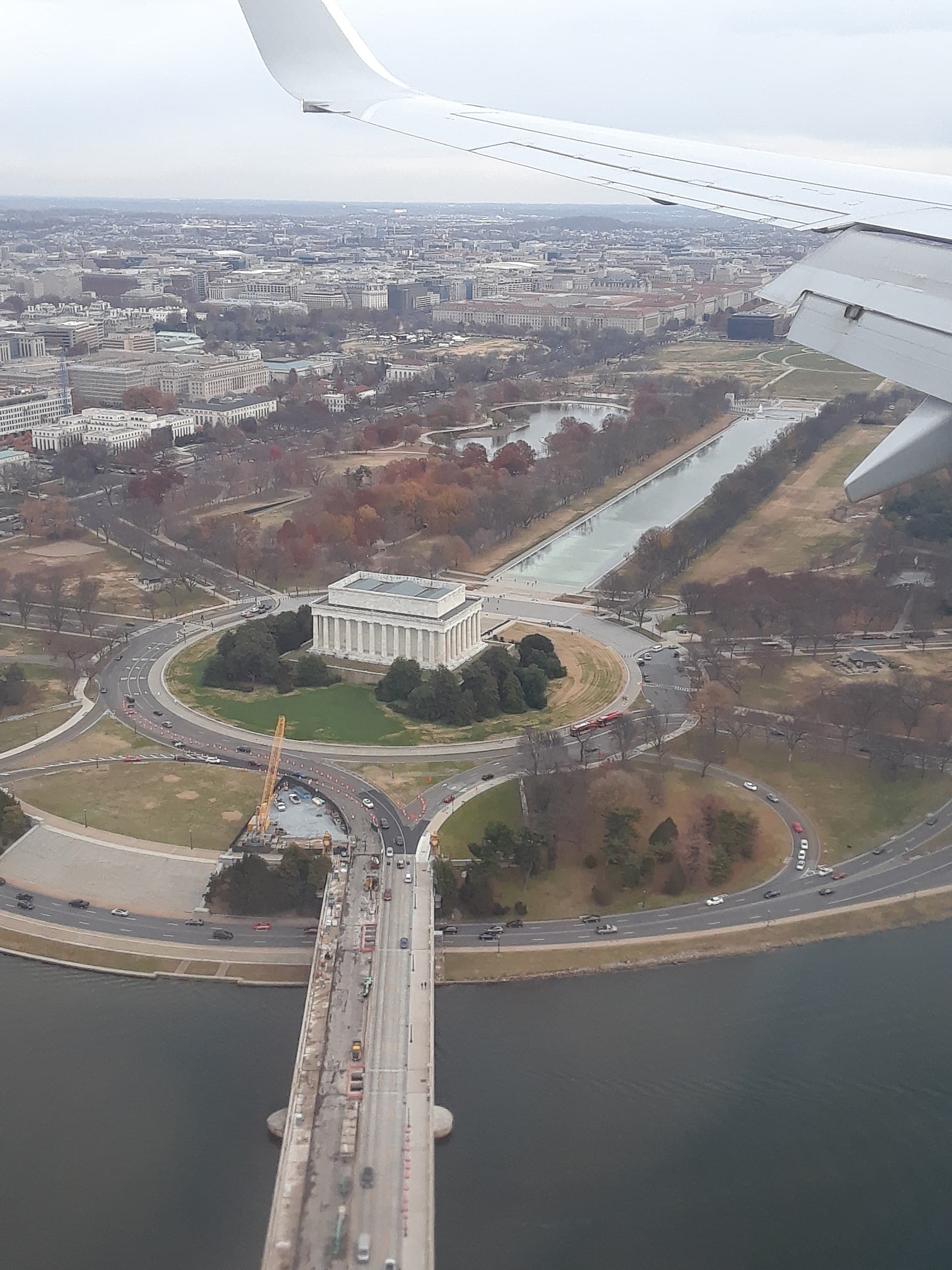
The latest renovation also fits a broader federal push in Washington. In January, the National Park Service said it was advancing major beautification and infrastructure work across the city to restore fountains, rehabilitate historic landscapes and modernize aging mechanical systems, tied to President Trump’s Executive Order 14252 and preparations for the nation’s 250th birthday in 2026. That makes the pool’s return to green more than a cosmetic embarrassment. It is a public sign that the maintenance burden on iconic federal spaces is not only financial, but environmental, with heat, water flow and upkeep all pushing against the appearance of permanent order.
The Reflecting Pool’s symbolism has only sharpened that pressure. It served as part of the national COVID-19 memorial ceremony on January 19, 2021, a reminder that this stretch of water is not just scenery. It is part of the country’s civic stage, and its repeated failures now raise a basic question about whether expensive repairs are treating symptoms while the underlying system remains out of balance.
This article was produced by Prism’s automated news system from verified source data, official records, and press releases, then run through automated quality and moderation checks before publishing. The system is built and supervised by the people who set the standards it runs under. Read our full AI policy.
Know something we missed? Have a correction or additional information?
Submit a Tip