Student loan autopay discount rises to 1 percent, easing borrower costs
A borrower with a $10,000 loan would save about $100 a year under the new autopay break, versus $25 under the old one, with bigger gains for larger balances.
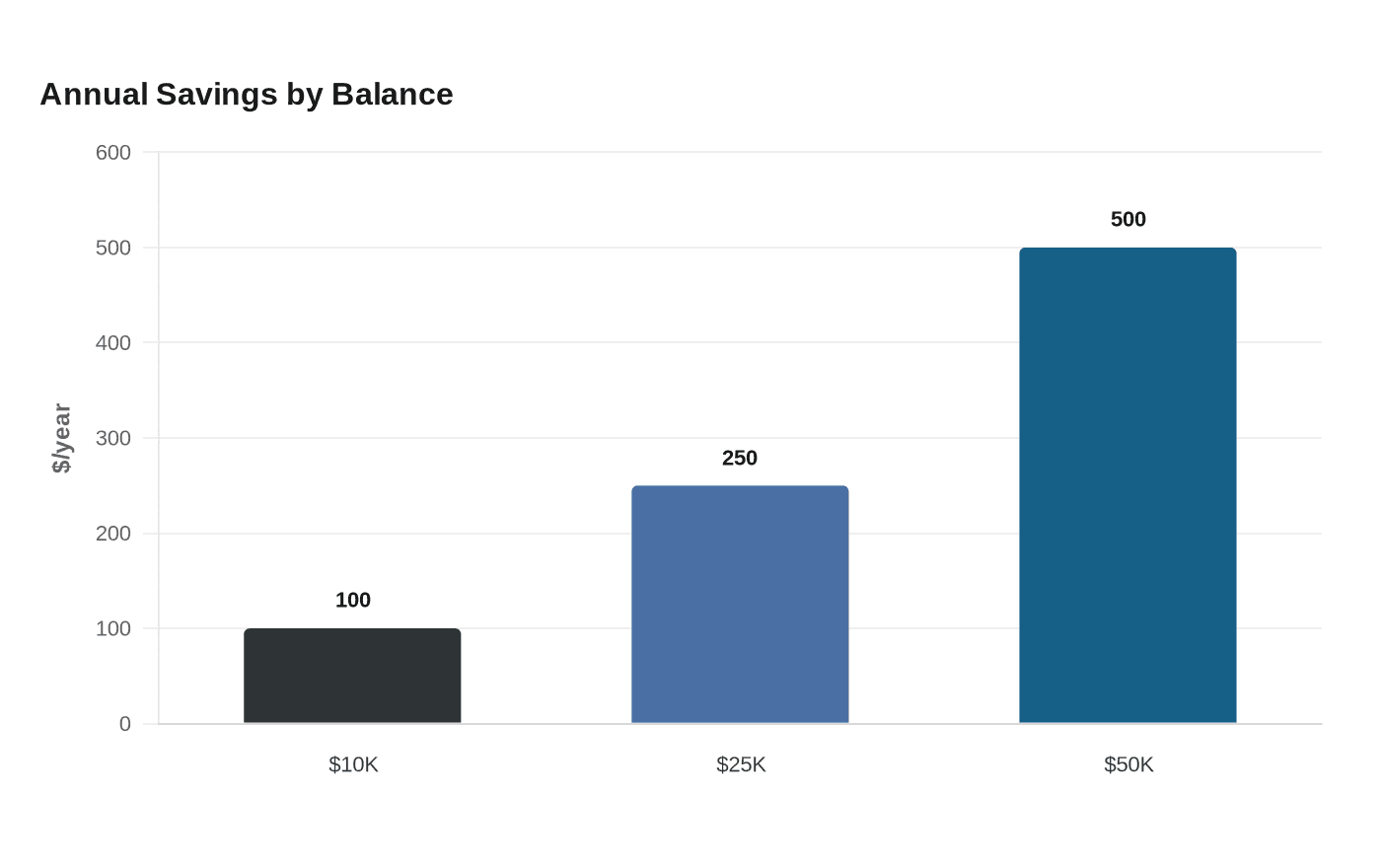
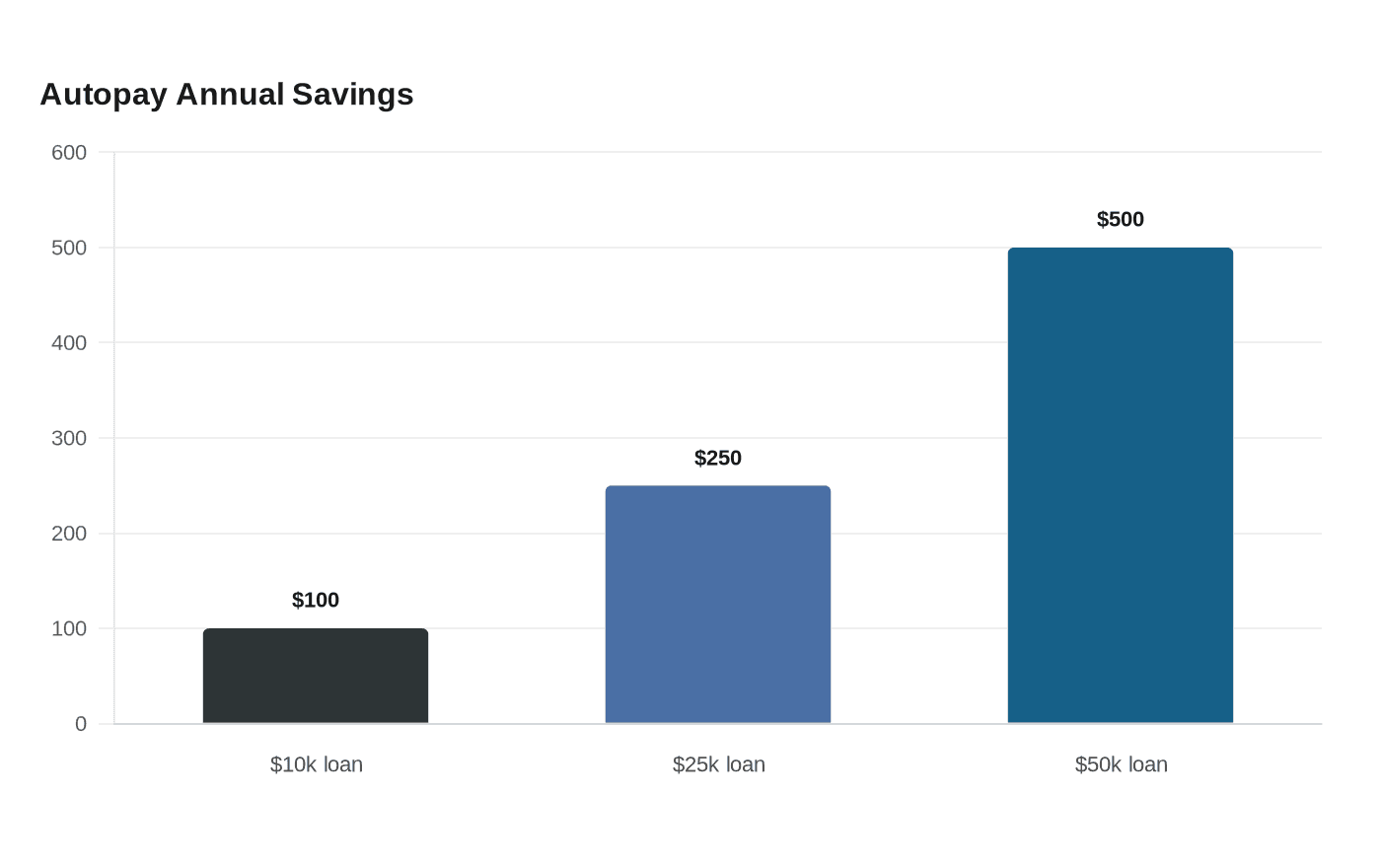
A borrower with a $10,000 federal student loan will save about $100 a year under the new 1 percent autopay discount, compared with $25 under the old 0.25 percent break. On $25,000 of debt, the annual savings rise to about $250; on $50,000, they reach about $500. The biggest winners are borrowers carrying larger balances for longer periods, but the savings still depend on keeping a bank account linked, maintaining enough cash flow to avoid returned payments and trusting a servicer with direct access to money.
The U.S. Department of Education said the higher reduction begins July 1, 2026, and will be available through June 30, 2028 to borrowers already enrolled in auto pay or those who sign up by September 30, 2026. The benefit applies only to Direct Loans disbursed on or after July 1, 2012. Servicing guidance says the discount can disappear after three consecutive payments are returned for insufficient funds, and it is suspended during deferment or forbearance.
The department said the change fits Donald Trump’s push to make higher education more affordable and simplify repayment. It also lands in a household budget squeeze where student loan bills compete with rent, insurance, food and childcare. A bigger autopay break will not erase debt that can stretch for decades, but it can trim annual costs and may nudge more borrowers toward automated repayment, which in turn can reduce missed payments and make collections more predictable for servicers.
The policy arrives as the federal student loan system keeps shifting under millions of borrowers. The Education Department said it has begun sending guidance to roughly 7.5 million borrowers in the SAVE plan, directing them to leave that plan and move into another legal federal repayment option. Federal Direct Loan rates for loans first disbursed between July 1, 2026, and June 30, 2027 will also be 6.52 percent for undergraduate subsidized and unsubsidized loans, 8.07 percent for graduate unsubsidized loans and 9.07 percent for PLUS loans. Together, the higher autopay discount looks less like a sweeping fix than a small but real lever in a system where every fraction of a point matters.
This article was produced by Prism’s automated news system from verified source data, official records, and press releases, then run through automated quality and moderation checks before publishing. The system is built and supervised by the people who set the standards it runs under. Read our full AI policy.
Know something we missed? Have a correction or additional information?
Submit a Tip