Alibaba sues U.S. government over Pentagon military link designation
Alibaba has sued the U.S. government, challenging a Pentagon blacklist that now covers 188 Chinese firms and bars new federal contracts.
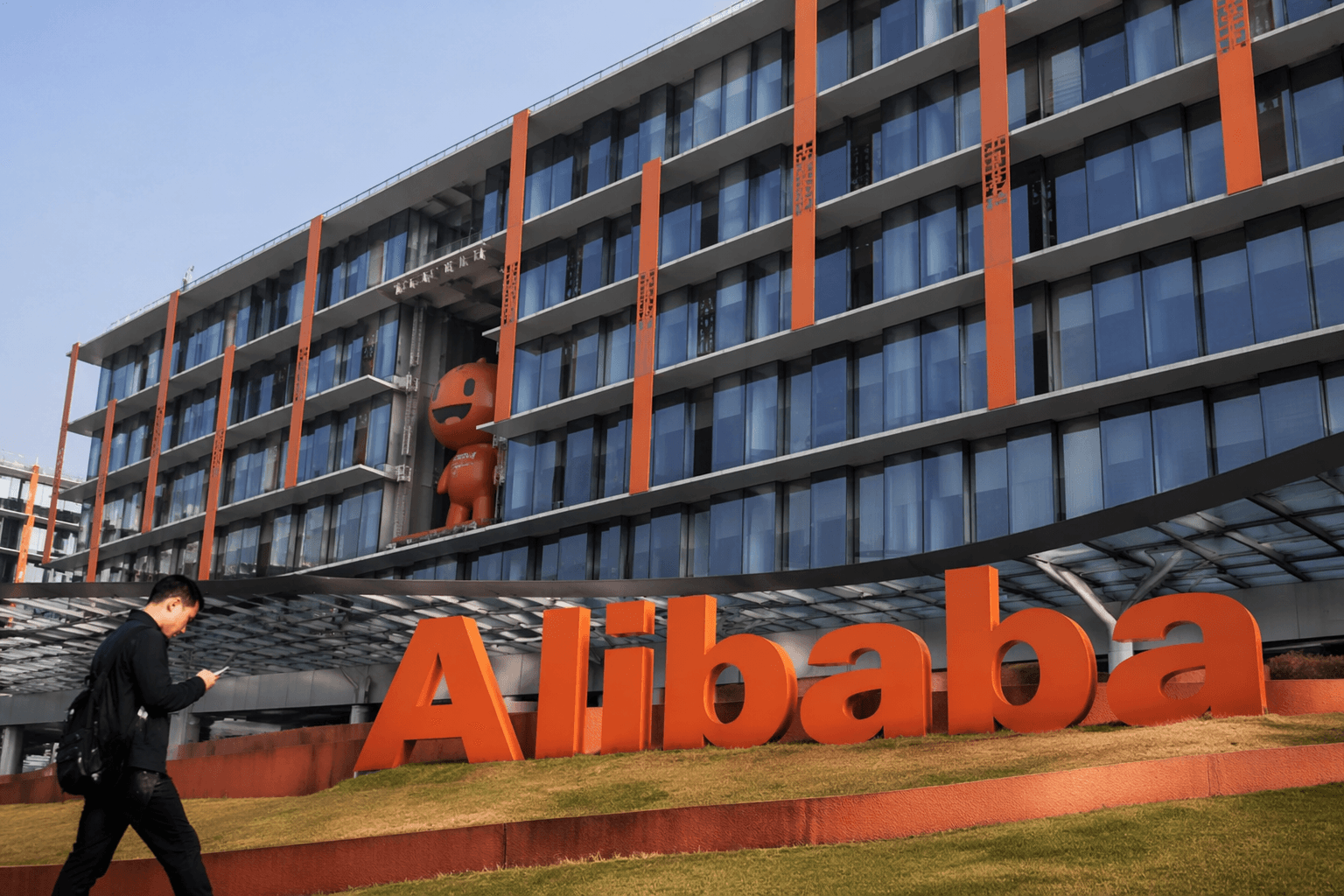
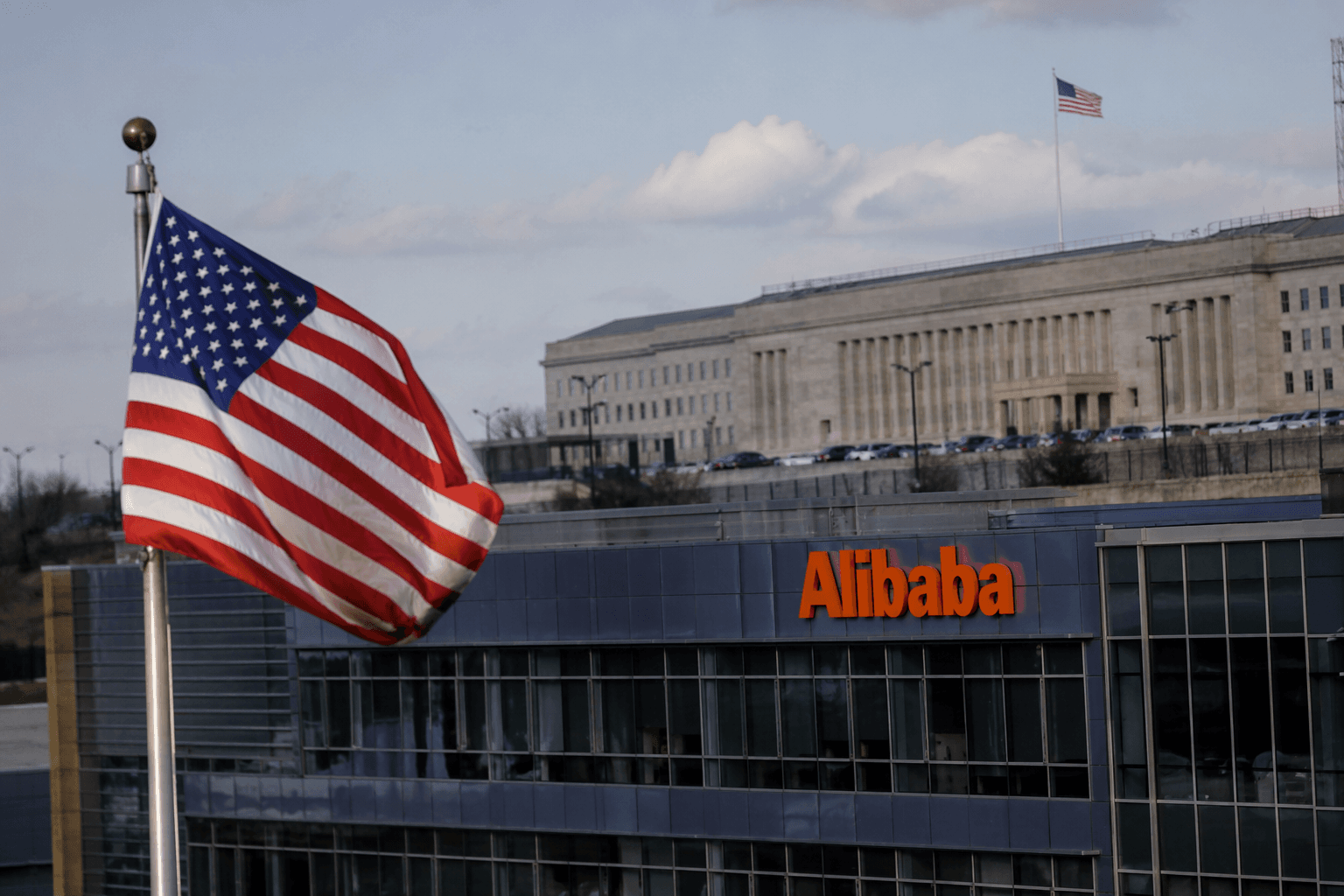
Alibaba Group Holding Limited sued the U.S. government in federal court in San Jose after the Pentagon put it on a blacklist of companies it says are tied to the Chinese military. The complaint targets the Defense Department’s Section 1260H designation, which the company says is wrong and damaging.
The Pentagon expanded that list on June 8 to 188 entities, including Alibaba, 360 Security Technology, Aerospace CH UAV and Autel Intelligent Technology. In its June 8 designation, the Defense Department said Alibaba was indirectly affiliated with the State-owned Assets Supervision and Administration Commission, known as SASAC, and that it was a military-civil fusion contributor to the Chinese defense industrial base because of its affiliation with the Ministry of Industry and Information Technology.
Alibaba is challenging that evidentiary standard directly. In its filing, the company said the Pentagon’s conclusion that it was a military-civil fusion contributor had no basis in fact or law. It also said its board is independent and that its products and services are built for retail, logistics and enterprise IT, not weapons, defense or intelligence. The lawsuit turns the list into a test of how much due process Chinese firms receive before being tagged with a national-security label that can reshape their business in the United States.
The practical stakes are rising even though the designation is not itself a formal sanction. Under recent U.S. law, the Pentagon cannot contract with blacklisted companies starting this month, and it cannot buy their products or services through third parties beginning in 2027. For Alibaba, that raises the risk of losing access to future government business and rattling relationships with American partners.
The case lands as Washington tightens its effort to wall off sensitive technology and procurement from Chinese firms that it views as linked to state power. The 1260H roster was created under the William M. Mac Thornberry National Defense Authorization Act for Fiscal Year 2021, and it has become a key instrument in separating commerce from security policy. Alibaba’s latest investor announcement, issued on May 20, said it had filed its annual report for fiscal 2026, underscoring that the company remains a major retail, logistics and cloud-computing platform rather than a defense contractor.
Alibaba is not alone. WuXi AppTec said on June 8 that its inclusion on the same list was a mistake, and it filed its own lawsuit in Washington, D.C., on June 11. That parallel case shows how the blacklist is moving from a policy tool into a broader legal fight that could affect Chinese companies across cloud services, logistics and cross-border commerce, with American investors caught in the middle.
This article was produced by Prism’s automated news system from verified source data, official records, and press releases, then run through automated quality and moderation checks before publishing. The system is built and supervised by the people who set the standards it runs under. Read our full AI policy.
Know something we missed? Have a correction or additional information?
Submit a Tip