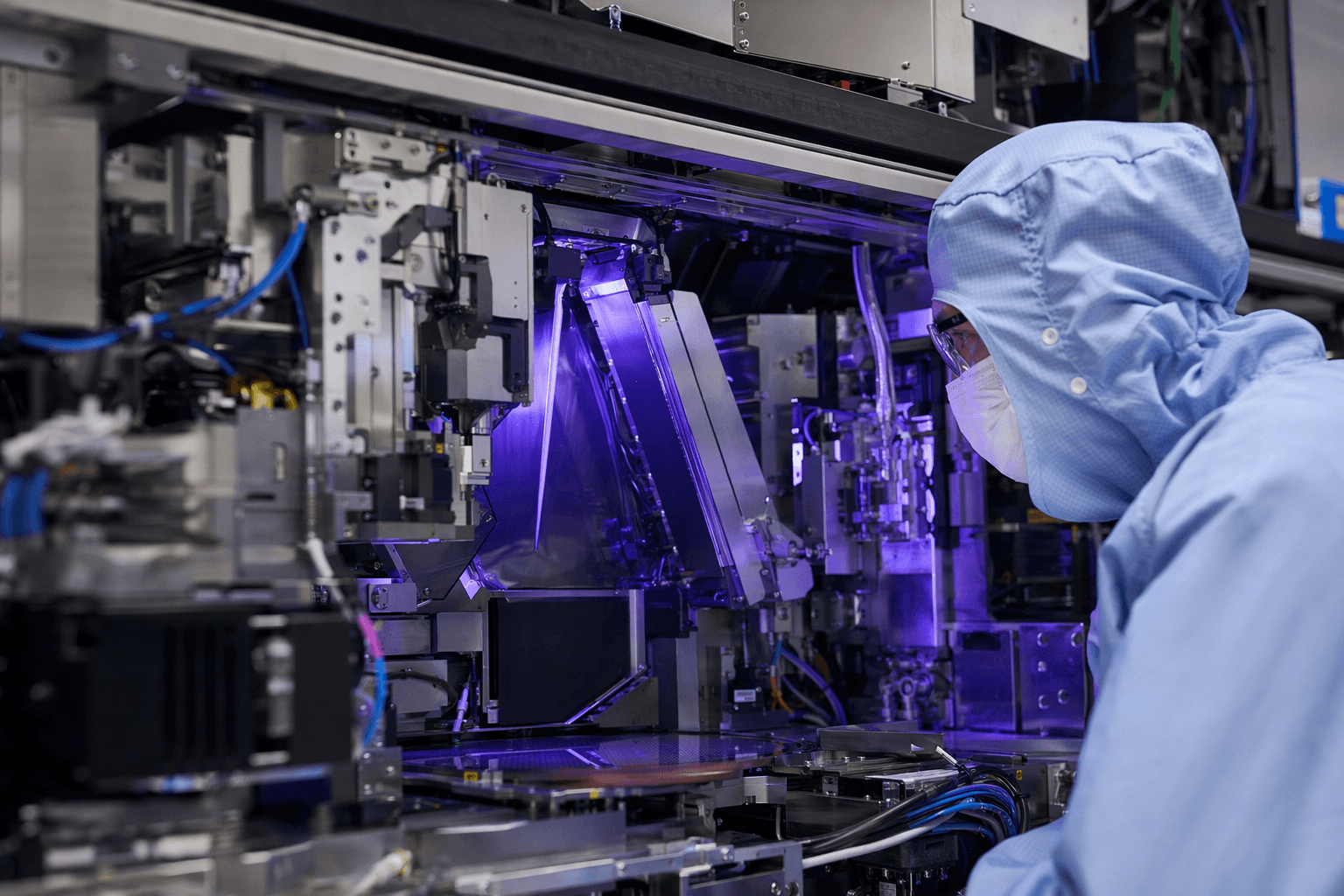
Alibaba unveils AI chip to cut reliance on Nvidia processors
Alibaba’s latest chip is less a hardware launch than a test of whether China can keep building AI systems without Nvidia. The M890 adds 144 GB of memory and 800 GB per second of bandwidth.

China’s race to build an AI stack that can stand without Nvidia sharpened again as Alibaba introduced a new chip designed for the next generation of software agents, a category that can carry out complex, multi-step tasks with limited human oversight. The move matters far beyond one product cycle: it shows how far a Chinese technology group can push domestic hardware while U.S. export controls keep the most powerful American processors out of reach.
Alibaba’s new Zhenwu M890 was developed by its semiconductor design unit, T-Head, and the company said it delivers about three times the performance of the prior Zhenwu 810E. Alibaba also said the chip has 144 GB of GPU memory and 800 GB per second of interchip bandwidth, specifications aimed at workloads that demand memory capacity, speed and tight coordination across systems.
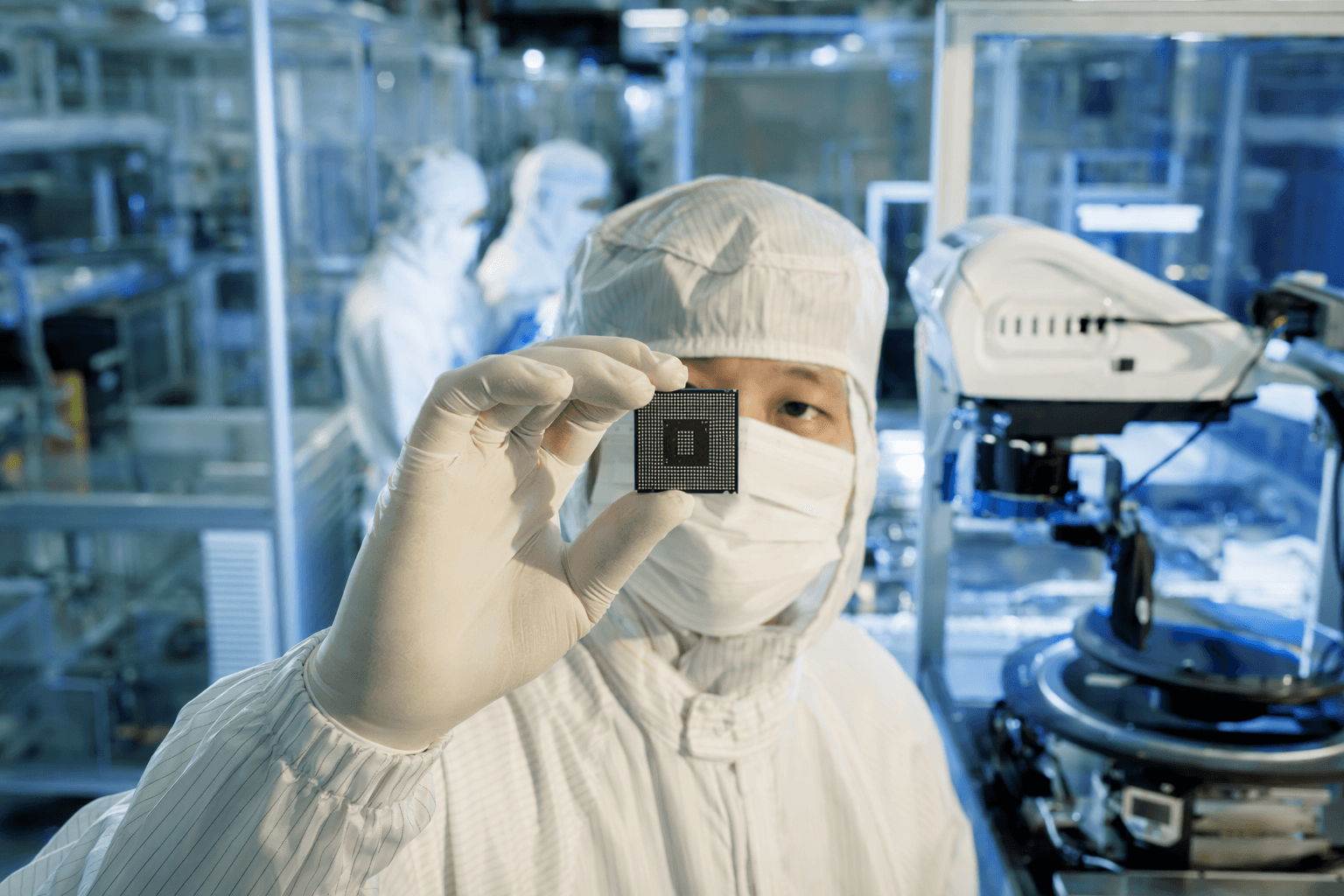
That positioning puts the M890 squarely in the strategic gap created by Washington’s restrictions on advanced chip sales to China. For Chinese cloud providers and AI developers, the issue is no longer whether to buy Nvidia hardware, but how quickly domestic substitutes can be made good enough for real deployments. The M890 is Alibaba’s answer to that pressure, and the company is already signaling that it sees the contest as a long campaign rather than a one-time release.
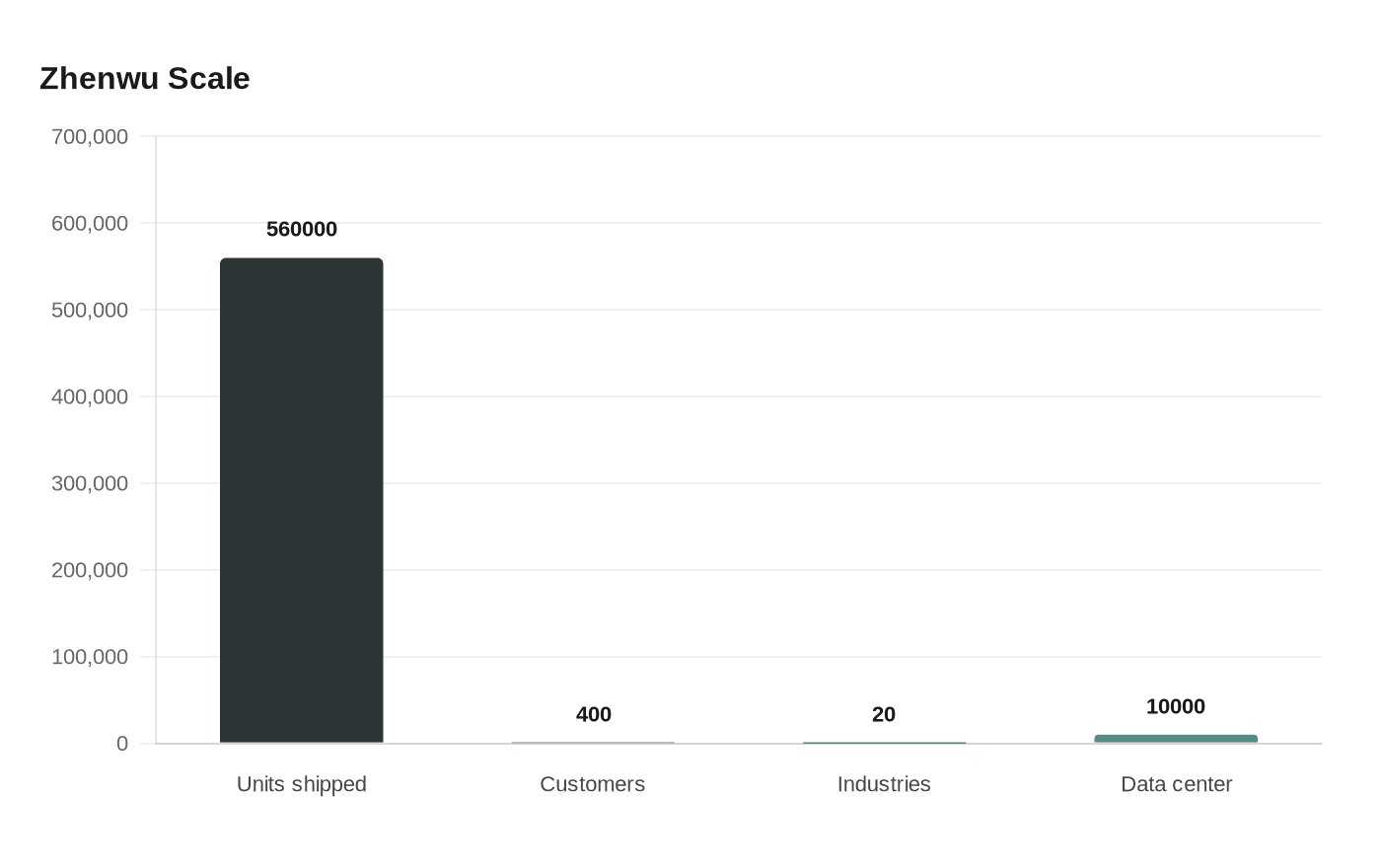
Alibaba said the Zhenwu family has shipped more than 560,000 units to more than 400 customers across 20 industries. The chips are already being used in telecom, automotive and finance, a sign that Alibaba is trying to build a broad commercial base instead of relying only on showcase deployments. The company has also moved its own chips into infrastructure: on April 8, 2026, Alibaba and China Telecom launched a data center in southern China powered by 10,000 Zhenwu chips.
The competitive field inside China is also tightening. Huawei and Cambricon are among the main domestic rivals in the market for AI processors, and Alibaba’s latest announcement shows how seriously the biggest Chinese platforms now treat in-house silicon as a strategic asset. The company said it expects a V900 chip in the third quarter of 2027 and a J900 in the third quarter of 2028, extending a roadmap that reaches well beyond one generation of hardware.
The near-term test is not the specification sheet. It is whether Alibaba can keep scaling performance, supply and deployment fast enough to matter in an AI market that is moving toward agentic systems and vertically integrated stacks. If it can, the M890 will mark another step in China’s effort to reduce its dependence on Nvidia.
Know something we missed? Have a correction or additional information?
Submit a Tip