ASML chief warns AI chip supply will stay tight as demand surges
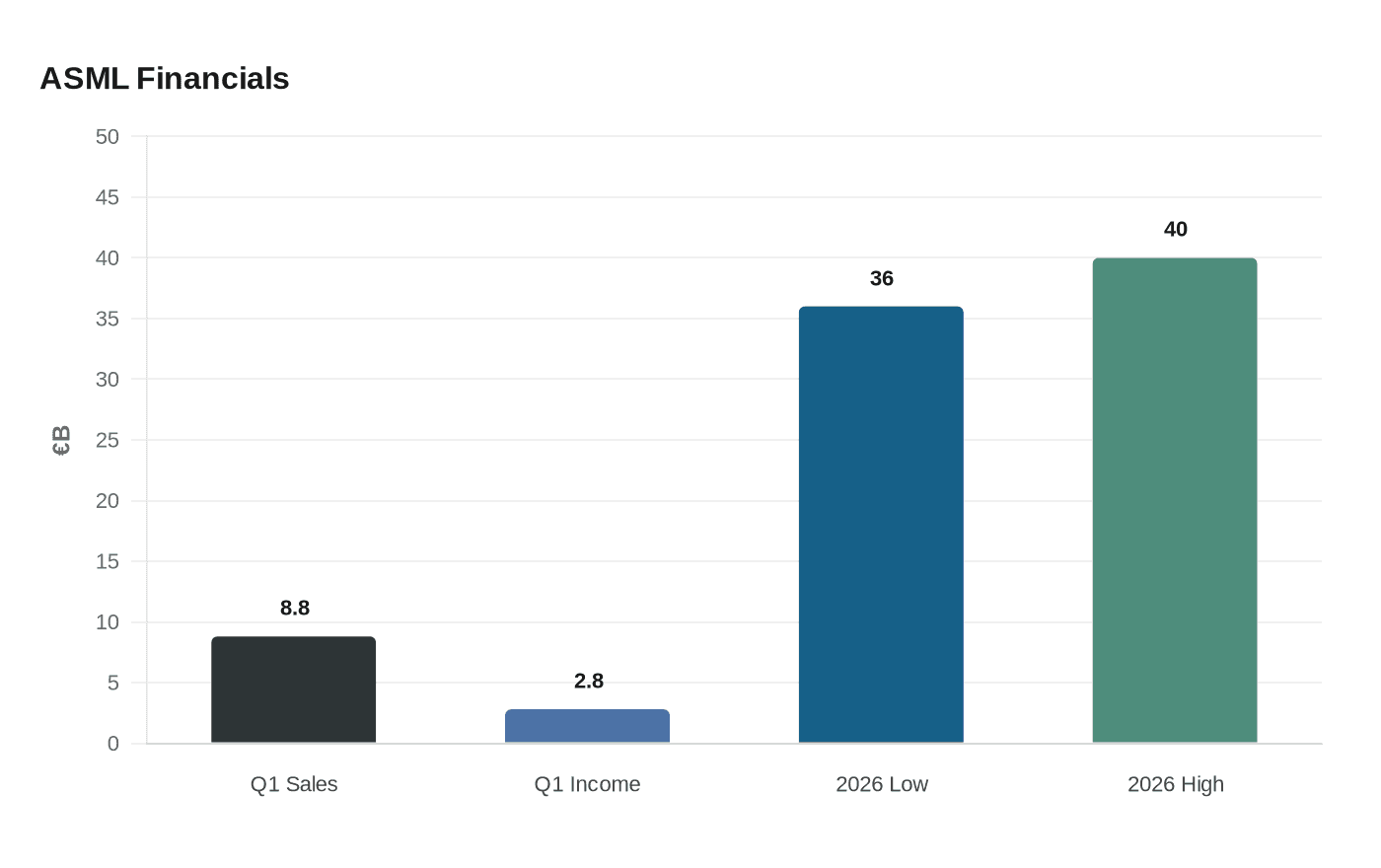
ASML said AI demand is outrunning chipmaking capacity, even as it raised 2026 sales guidance to as much as €40 billion.
ASML chief executive Christophe Fouquet said on the sidelines of a tech event in Antwerp, Belgium, that the semiconductor industry is likely to remain in a tight-supply environment for some time because AI demand is rising faster than chipmakers can expand capacity. He said the market will stay tense and that sporadic bottlenecks could continue across the supply chain, even as ASML lifts output and improves the productivity of its tools.
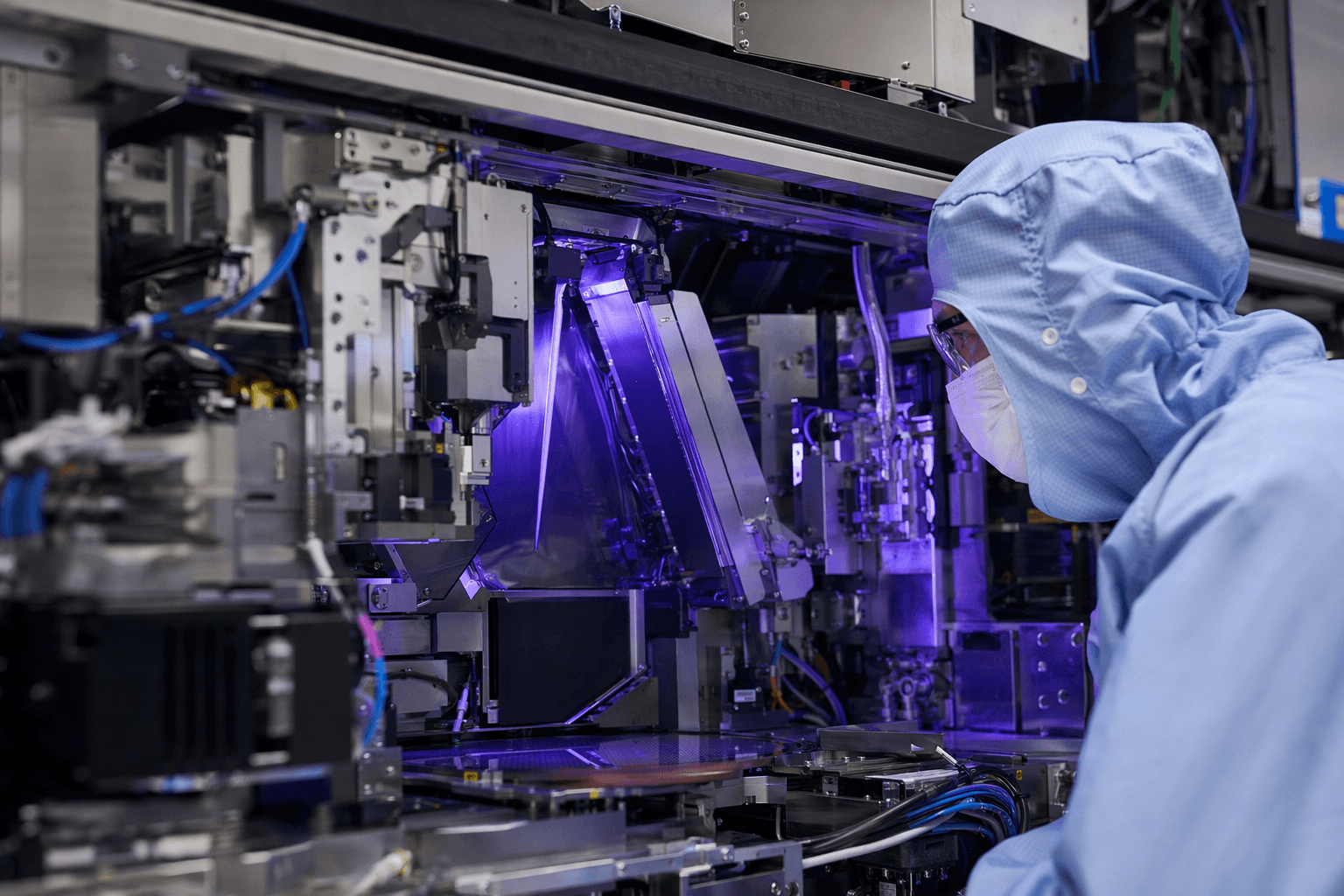
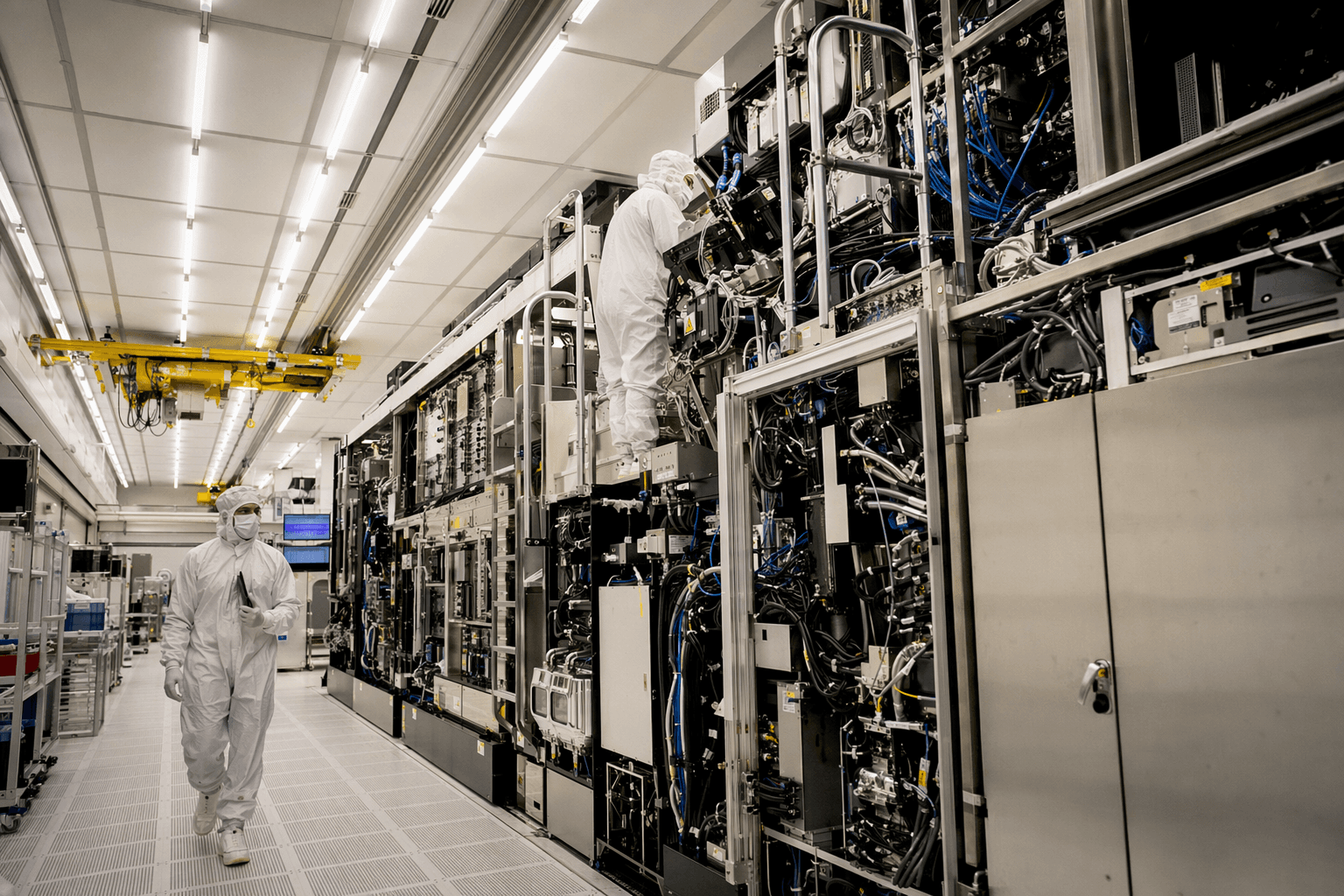
The warning matters because ASML sits at the narrowest point in advanced chipmaking. Its lithography systems are essential for the most sophisticated logic chips used in AI and for the memory chips that feed them. If more demand cannot quickly become more capacity at ASML, foundries, memory makers and cloud builders will keep running into long lead times, higher costs and a harder planning environment as they push through massive new fab projects.
ASML's own numbers underline the scale of the current cycle. On April 15, 2026, the company reported first-quarter net sales of €8.8 billion and net income of €2.8 billion, then raised its 2026 full-year revenue outlook to €36 billion to €40 billion. The company said demand for chips is outpacing supply and that customers are accelerating capacity-expansion plans for 2026 and beyond.
Fouquet has been even more explicit in ASML's annual reporting. In the company's 2025 annual report, he said artificial intelligence had become a powerful trend that he believes will continue in 2026 and beyond. ASML said it expects continued growth in semiconductors driven by strong demand for AI logic and memory products and by supply-demand imbalances. It also said it shipped its first advanced packaging product, the TWINSCAN XT:260, a sign that the company is moving beyond its core lithography franchise as the AI stack widens.
The next phase could arrive quickly. ASML expects the first products made with its High-NA EUV machines within months, while also developing new tools for advanced packaging and larger chips. Fouquet has also had contact with Elon Musk about the proposed Terafab project, which would aim to build chips for SpaceX, xAI and Tesla. With the market potentially reaching $1.5 trillion by 2030, ASML's message is that the AI buildout is not easing, and the industry's scarcest equipment may remain the pacing item well into the end of the decade.
This article was produced by Prism’s automated news system from verified source data, official records, and press releases, then run through automated quality and moderation checks before publishing. The system is built and supervised by the people who set the standards it runs under. Read our full AI policy.
Did this article answer your question?