Aljamain Sterling Calls UFC Pay System Broken as London Debate Erupts
Sterling unloaded on the UFC's pay structure amid a $7.7B Paramount deal, as fighter frustration spilled into the open at UFC London.
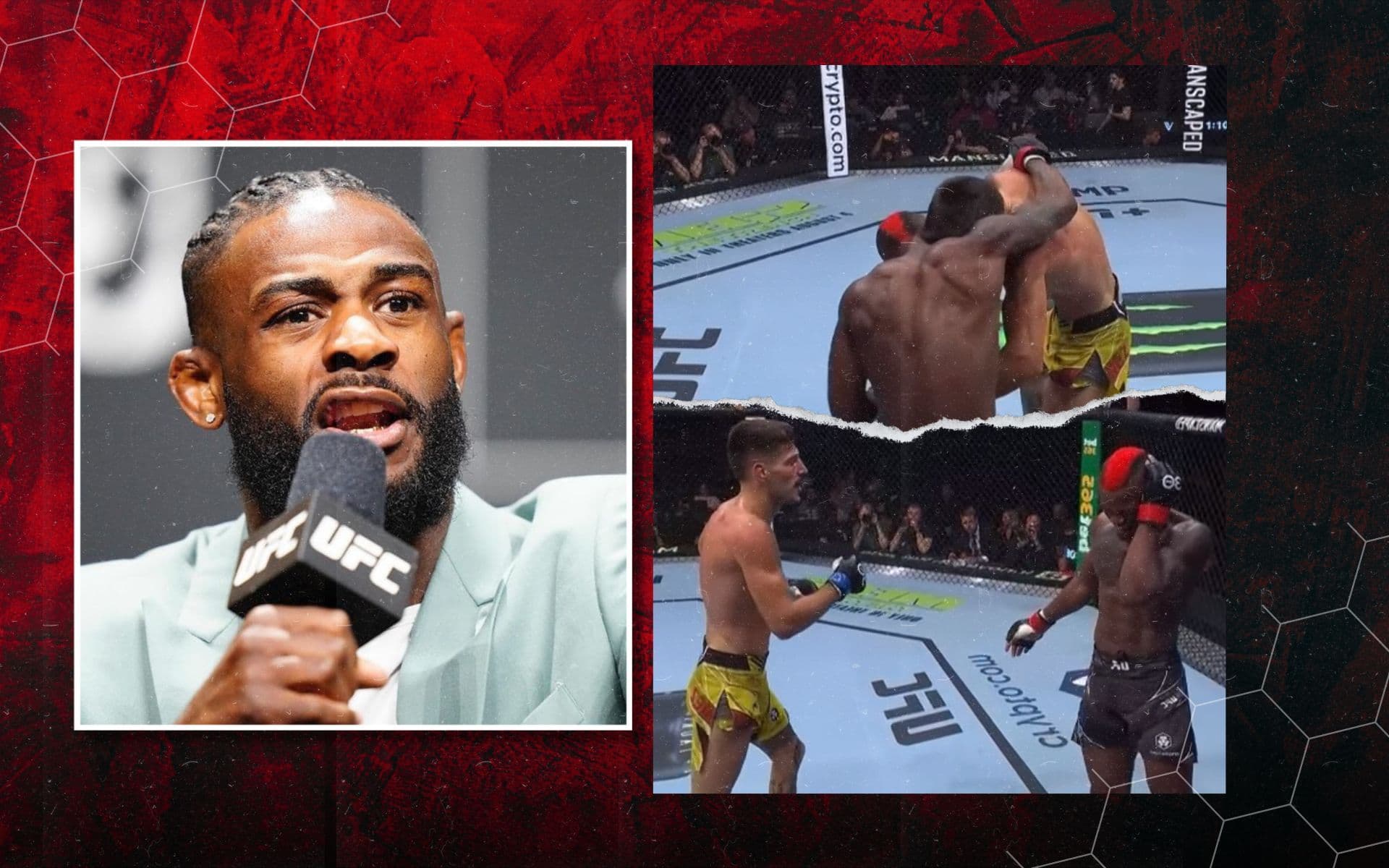
UFC London became the backdrop for a renewed and raw debate over fighter compensation this weekend, with career-defining undercard performances throwing the sport's pay structure into sharp relief. The timing proved combustible: former UFC bantamweight champion Aljamain Sterling had just gone on The Ariel Helwani Show and unloaded on what he described as a broken system, and the sport's wider community of fighters and pundits was already primed to listen.
Sterling's frustration centered on a glaring contrast. The UFC recently finalized a $7.7 billion Paramount media deal, and its boxing subsidiary Zuffa Boxing reportedly guaranteed British boxer Conor Benn eight figures for a single fight. For fighters watching those numbers from the other side of the negotiating table, the arithmetic stings.
"Good for him. I'm not going to knock another man, but you've got to imagine a lot of [UFC] fighters have been pretty irritated by that," Sterling said of the Benn arrangement. "Rightfully so. Obviously, the fighters ourselves, not everyone's going to be demanding $15 million. But I mean, come on — $7.7 billion. Come on, are we not going to talk about that? That's kind of where I'm at."
Sterling, nicknamed "Funkmaster," went further than simply pointing at the organization. He argued that fighters themselves contribute to the problem by undercutting one another during negotiations, a candid admission that complicates any straightforward narrative of fighter-versus-promoter conflict. He also cited stalled fight bookings as an additional source of frustration at the start of the calendar year.
The moment resonated far beyond Sterling's own situation. During his live appearance, his old rival Sean O'Malley showed public support in the YouTube chat, an unexpected gesture that illustrated how broadly the grievances have spread across the roster. UFC 326 headliner Max Holloway and MMA legend Demetrious Johnson had spoken out about similar frustrations in the same week, and veteran contender Michael "Venom" Page addressed the Benn deal on Uncrowned's "The Boys in the Back" the previous week.

The debate has a precedent that fighters cite repeatedly. The protracted negotiations between Jon Jones and Francis Ngannou over a potential heavyweight superfight collapsed without a deal, and Ngannou parted ways with the UFC entirely in early 2023. Heavyweight contender Derrick Lewis offered a contrasting data point when he publicly stated he would fight Ngannou for $1 million, a figure that illustrated just how wide the spectrum of fighter pay expectations runs, and how that internal disparity can undermine collective leverage.
That dynamic is precisely what makes this debate so persistent and so difficult to resolve. When fighters themselves disagree about what a fair purse looks like, and some are willing to accept far less than their peers, the negotiating position of the broader roster is weakened from within. Sterling's willingness to name that problem publicly, rather than simply direct all criticism outward, gave his appearance on Helwani's show an unusually sharp edge.
With a $7.7 billion valuation now attached to the UFC's broadcasting rights and nine-figure guarantees flowing toward fighters in its affiliated boxing venture, the pressure on the organization to address compensation openly is no longer coming from the margins of the sport.
This article was produced by Prism’s automated news system from verified source data, official records, and press releases, then run through automated quality and moderation checks before publishing. The system is built and supervised by the people who set the standards it runs under. Read our full AI policy.
Did this article answer your question?


