All four Black House Republicans will retire, highlighting GOP diversity gap
All four Black House Republicans are leaving Congress, underscoring how thin the GOP’s pipeline remains as retirements surge and redistricting reshapes key seats.
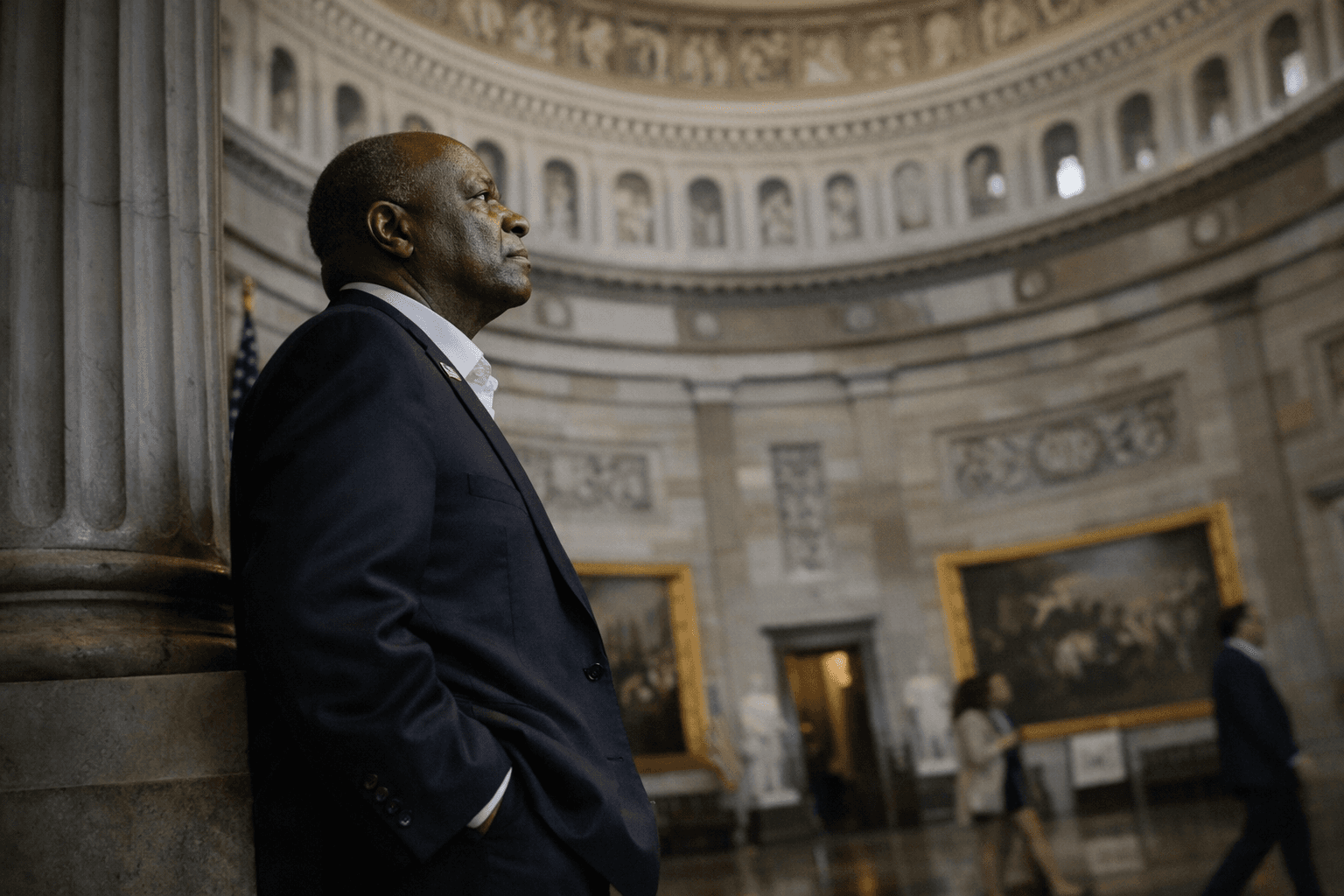
All four Black Republicans in the House are set to leave after this year, a stark sign that the party’s diversity problem is not just about election-night outcomes but about who gets recruited, elevated and retained in the first place.
The departures come as the House is already heading into one of its largest turnover cycles in years. An Associated Press tracker showed 58 current members had announced they would retire after this year as of April 25, including 37 Republicans and 21 Democrats. That total does not include nine lawmakers who resigned or died this term, and AP said more than 1 in 8 House incumbents planned to leave, the highest share at this point in the calendar since at least the Obama administration.
The Republican side is feeling the strain most sharply. Ballotpedia said on April 15 that 55 incumbent voting members had announced they would not seek reelection, including 35 Republicans and 20 Democrats. Among those leaving are 16 House members running for the Senate and 10 Republicans running for governor, while President Donald Trump and House Republican leadership try to protect a narrow majority in a chamber where the GOP holds 219 seats plus 3 delegates.
Against that backdrop, the retirement of all four Black House Republicans points to a deeper structural weakness in the party’s congressional bench. The Congressional Research Service says the 119th Congress includes 61 African American members of the House and five in the Senate, but only a small number of those House members are Republicans. That leaves the GOP with little margin for error when it comes to building and sustaining Black representation in its own ranks.
One of the departing members is Burgess Owens of Utah, who was elected as a Republican to the 117th Congress and has served in the 117th, 118th and 119th Congresses. His exit, along with the others, leaves Republicans with an even thinner pipeline at a time when the party is already confronting unusual mid-decade redistricting in several states, a factor AP said has pushed some lawmakers to step aside rather than run in reshaped or harder-to-defend districts.
The broader lesson is that this is more than a temporary roster problem. The GOP is entering a cycle of record turnover while facing a persistent failure to expand and keep Black Republican representation in Congress. If the party cannot replace all four departing Black House members with serious contenders who can win and endure, the gap will look less like a bad year and more like a lasting defect in the party’s political infrastructure.
This article was produced by Prism’s automated news system from verified source data, official records, and press releases, then run through automated quality and moderation checks before publishing. The system is built and supervised by the people who set the standards it runs under. Read our full AI policy.
Did this article answer your question?

