Amazon Opens Free AI Health Assistant to All Customers Beyond One Medical
Amazon expanded its Health AI assistant to all users via its main website and app, breaking free from its One Medical paywall and reshaping consumer healthcare access.
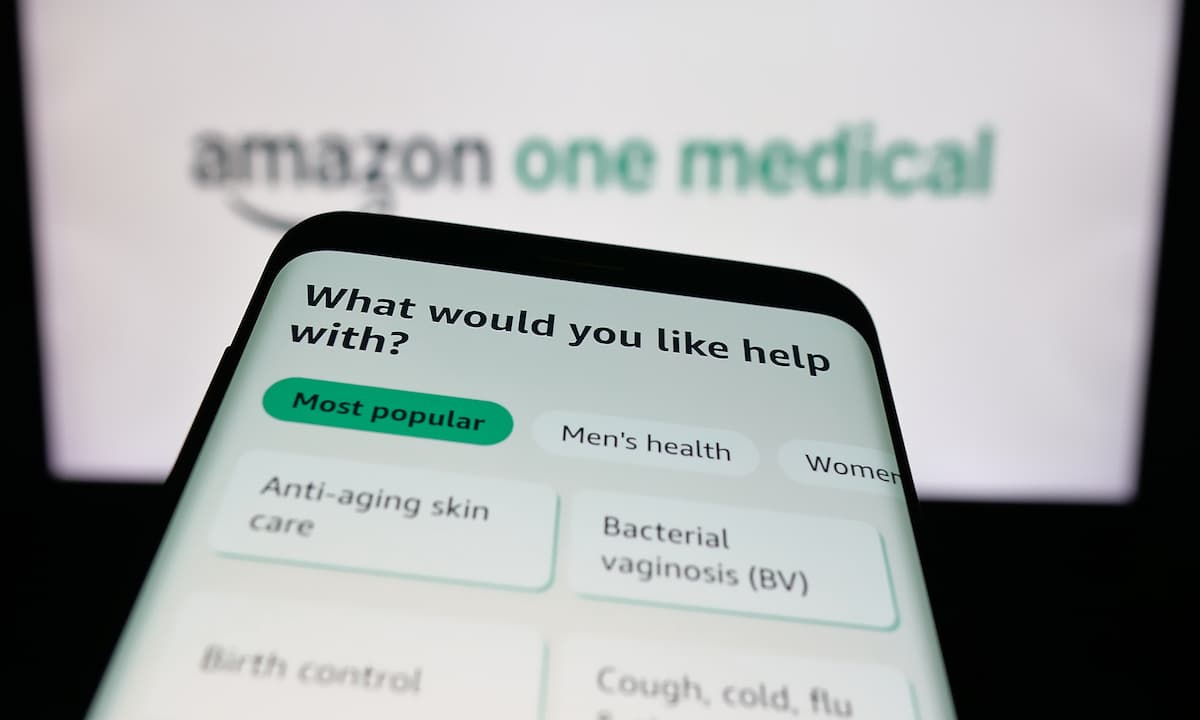
Amazon threw open its Health AI assistant to all customers through amazon.com and the Amazon mobile app on Tuesday, ending its earlier restriction to One Medical subscribers and positioning the tool as a free resource for Prime members seeking round-the-clock health guidance.
The expansion marks a significant escalation in Amazon's healthcare ambitions. Health AI launched in beta for One Medical members in early 2025, then went live for the primary care service's subscribers in January 2026. The broader rollout removes the membership barrier for core health guidance, though some features tied to the One Medical clinical ecosystem, including scheduling visits with a One Medical provider and renewing prescriptions through Amazon Pharmacy, are expected to remain linked to existing memberships.

At its core, Health AI is what Amazon and its technology partners describe as an agentic AI: a system designed not merely to answer questions but to take actions on a user's behalf. Built on large language models hosted on Amazon Web Services' Bedrock infrastructure, the assistant can explain lab results and medical images, interpret bloodwork against a patient's individual health history, answer questions about symptoms and treatments, recommend the appropriate level of care whether virtual, primary, or urgent, book appointments, and submit prescription renewal requests. Renewals can be filled through Amazon Pharmacy, which Amazon said separately will expand same-day delivery to nearly 4,500 cities in 2026, adding Idaho and Massachusetts to its coverage map.
"The U.S. health care experience is fragmented, with each provider seeing only parts of your health puzzle," Neil Lindsay, Senior Vice President of Amazon Health Services, said in a statement. "Health AI in the One Medical app brings together all the pieces of your personal health information to give you a more complete picture, helping you understand your health, and supporting you in getting the care you need to get and stay well."
Amazon has been careful to frame the tool as a complement to clinical care rather than a substitute for it. The assistant is designed to flag cases where a physician's input is needed. A recurring urinary tract infection, for example, may prompt a recommendation for an in-person visit rather than a virtual one. The positioning reflects a consistent refrain across the healthcare AI industry: that these tools support, not replace, a doctor's visit.
The privacy calculus is more complicated. One Medical is bound by HIPAA to protect medical data, a distinction that separates Health AI from many consumer chatbots. The assistant can draw on records already stored within One Medical without requiring patients to upload files repeatedly. Still, some prospective users may remain wary given Amazon's broader advertising business and its ownership of a primary care company holding sensitive health records.
The competitive pressure surrounding the launch is real. OpenAI recently announced ChatGPT Health, which allows users to receive health guidance after uploading medical records and connecting compatible wellness apps. Anthropic followed with Claude for Healthcare, extending similar features to its Pro and Max subscribers. The race reflects broader consumer appetite: a Drip Hydration survey conducted in June 2025 found that receiving quick responses was the top reason 43 percent of U.S. adults used AI tools for health queries.
Amazon's move to place Health AI directly inside its main shopping and service app, already embedded in millions of daily routines, gives it a distribution advantage its competitors will struggle to replicate.
This article was produced by Prism’s automated news system from verified source data, official records, and press releases, then run through automated quality and moderation checks before publishing. The system is built and supervised by the people who set the standards it runs under. Read our full AI policy.
Did this article answer your question?


