Amazon plans 5,000-plus satellites for direct-to-phone service
Amazon sought approval for up to 5,105 satellites to beam voice, data and emergency service straight to phones, pushing into Starlink's turf.
Amazon filed plans with the Federal Communications Commission to deploy up to 5,105 satellites for direct-to-device service, setting up a new fight over who controls the next layer of mobile coverage. The system is meant to send voice, data, messaging and emergency services directly to compatible phones using Globalstar spectrum, with Amazon saying the deployment would begin in 2028.
The move puts Amazon into direct competition with SpaceX and its Starlink service, which already has direct-to-cell capabilities live. It also raises the stakes for carriers that have long defined coverage by where towers and fiber reach, because Amazon is betting that satellite links can fill dead zones without requiring customers to buy a separate dish or terminal. If the company can make the system work at scale, a phone could move between terrestrial and satellite coverage with less friction than earlier satellite internet products allowed.

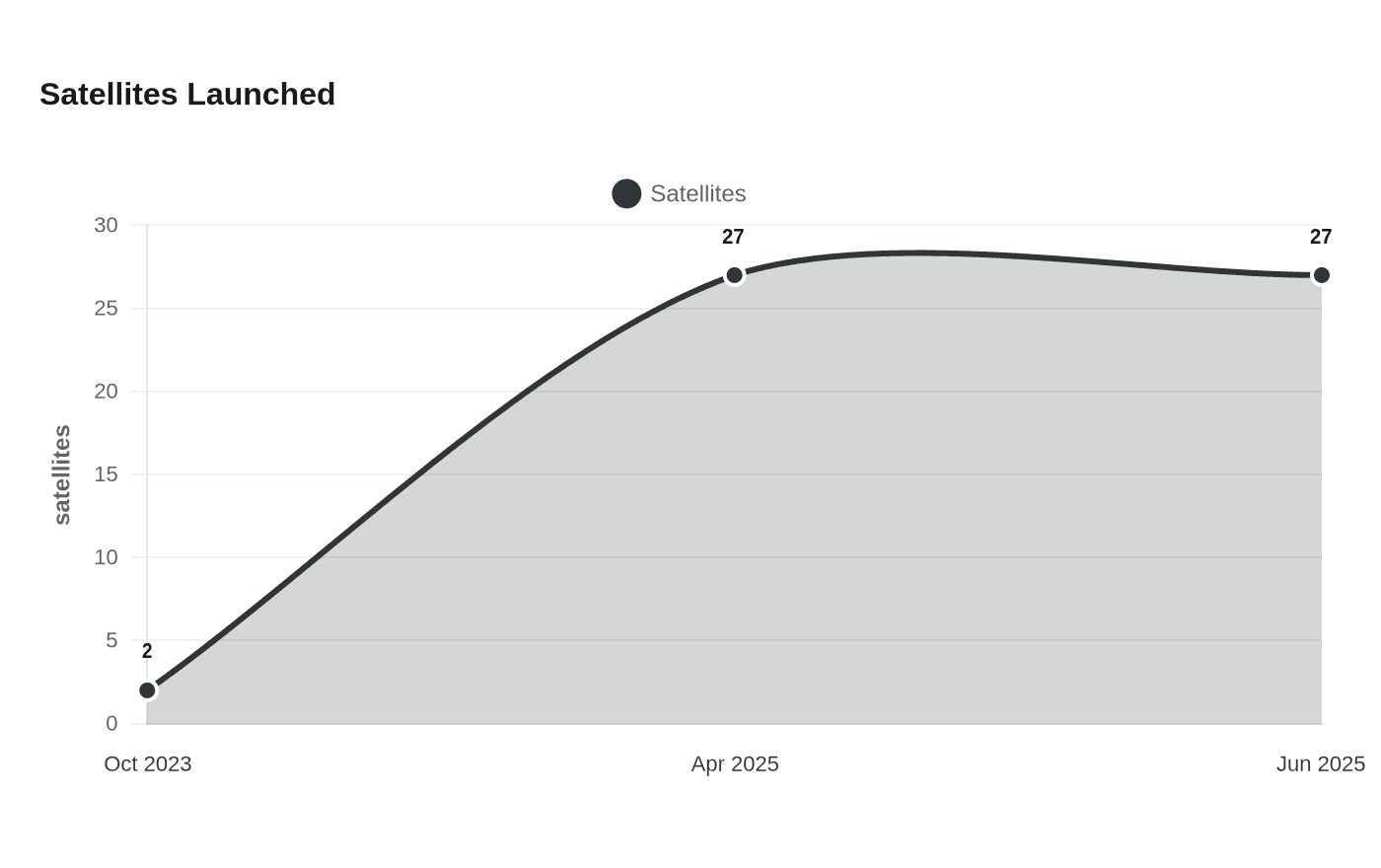
Amazon has spent the past several years building the broader Leo network that would support that push. The company launched its first two prototype satellites in October 2023, sent its first batch of 27 operational satellites into orbit in April 2025 and added 27 more on an Atlas V mission in June 2025. Amazon later said Leo had more than 375 satellites in orbit after another Atlas V launch, still far short of the full constellation it now wants for direct-to-device service.
The company is not starting from scratch on regulation either. Amazon already has approval for its earlier Kuiper broadband constellation, and in June 2026 the FCC gave it more leeway on deployment deadlines after the company sought relief from a requirement to put the first 1,616 satellites into orbit by July 30. That easing removed immediate pressure on the broadband buildout, but the new phone-focused filing adds another layer of spectrum, launch and licensing questions for regulators to sort through.
For consumers, Amazon is promising more than the emergency satellite features already appearing on some phones. Its plan would tie satellite connectivity to ordinary mobile devices for everyday messaging and data as well as emergency use, a broader service that could matter in rural counties, disaster zones and other places where tower coverage drops out. For Amazon, the strategy extends its cloud-era infrastructure logic into communications: build enough satellites, secure enough spectrum and launch often enough to become a serious alternative to both carriers and rival satellite networks.
This article was produced by Prism’s automated news system from verified source data, official records, and press releases, then run through automated quality and moderation checks before publishing. The system is built and supervised by the people who set the standards it runs under. Read our full AI policy.
Did this article answer your question?