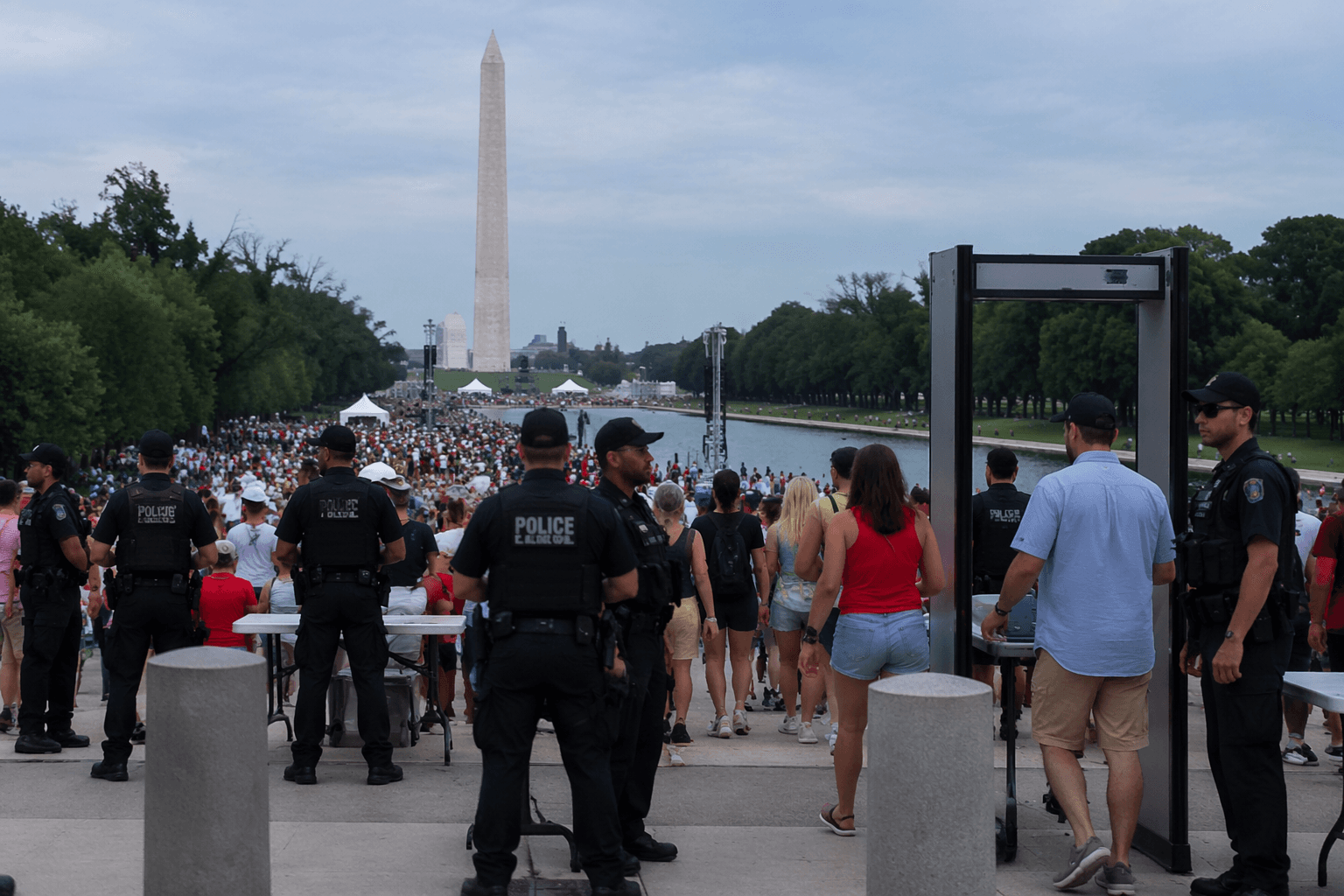
America prepares for a divided 250th Fourth of July celebration
Fireworks, museum displays and rival federal brands are shaping a 250th Fourth of July that looks unified on the surface but divided in Washington.
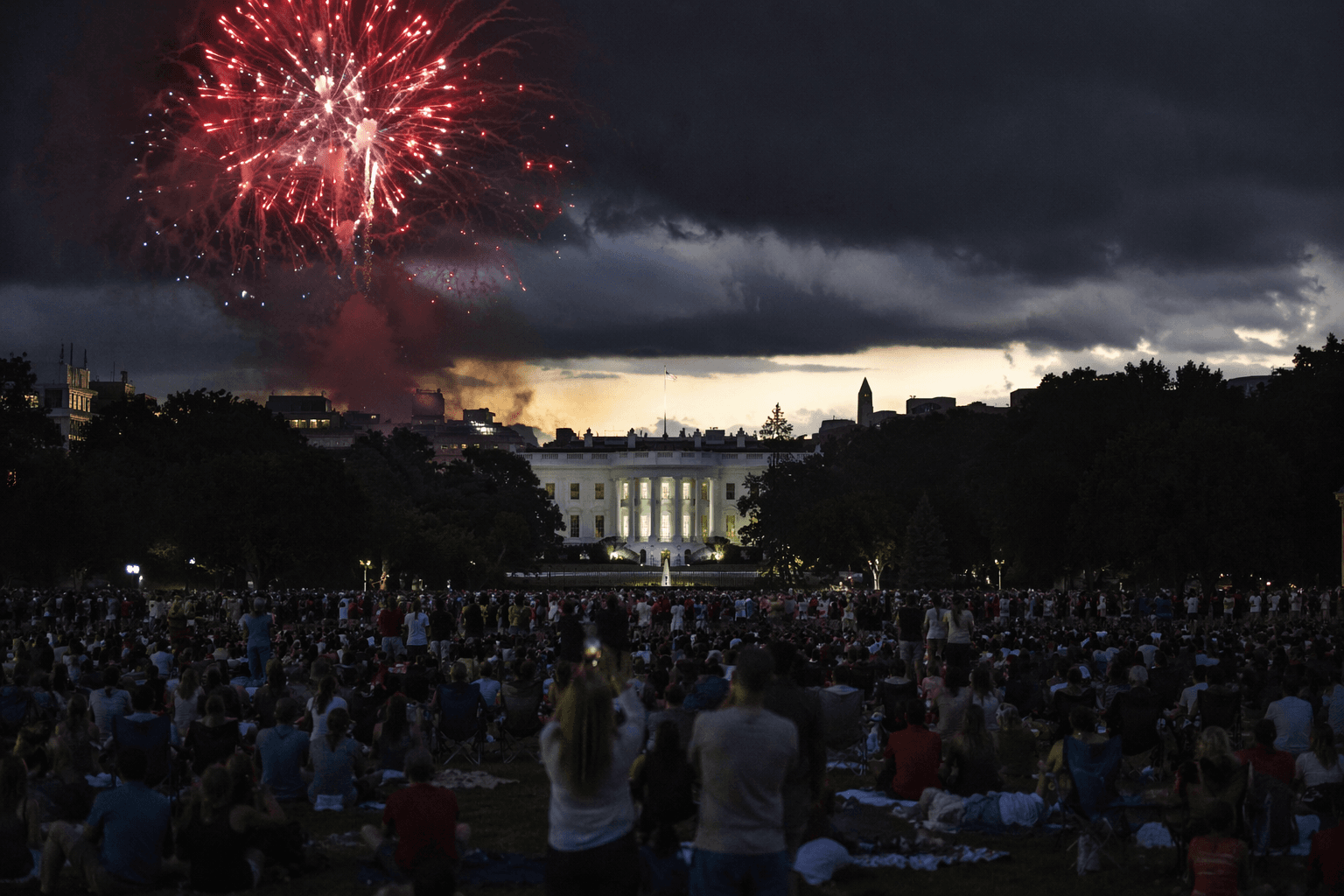
America250’s July 4 weekend programming runs from July 3 to July 5, with fireworks, concerts and local gatherings built around the 250th anniversary of the Declaration of Independence. The milestone arrives as both a civic ritual and a political contest, with Americans converging on the same holiday calendar even as Washington pushes competing versions of what the anniversary should mean.
Congress created the U.S. Semiquincentennial Commission in 2016 to plan the commemoration, and America250, chaired by former Treasurer Rosie Rios, says the observance is meant to be the largest and most inclusive anniversary celebration in U.S. history. The Congressional America250 Caucus says it includes more than 400 members of Congress, making it the largest bicameral, bipartisan caucus in U.S. history. The White House has framed the 250th as deserving a “grand celebration” on July 4, 2026.
That unity of purpose has not produced a single brand. For many federal events, the Trump-backed Freedom 250 label has become a parallel banner, while the America250 commission has faced a reported $100 million funding shortfall. Congressional critics have objected to taxpayer money being redirected toward Freedom 250, turning a national anniversary into another fight over who gets to define the country’s story.
The commemoration is stretching across the map. The National Park Service says more than 400 special places tied to American history will be part of the 250th observance, from Independence Hall and the Statue of Liberty to Revolutionary War battlefields. The National Archives is also folding the anniversary into its own programming, with displays of Documents That Forged a Nation at major museums across the country.
The shape of the celebration recalls the 1976 Bicentennial, which culminated on July 4, 1976, and featured the American Freedom Train, a traveling exhibition that crossed the contiguous states. Fifty years later, the pageantry looks familiar, but the political meaning is more fractured. Fireworks, concerts, museum exhibits and neighborhood barbecues are still giving Americans common rituals, even as the official story of the 250th is being told in different voices from Washington.
This article was produced by Prism’s automated news system from verified source data, official records, and press releases, then run through automated quality and moderation checks before publishing. The system is built and supervised by the people who set the standards it runs under. Read our full AI policy.
Did this article answer your question?