America still owes Afghanistan’s women after the U.S. withdrawal
UN Women said 78% of young Afghan women were out of school, work or training, while U.S. advocates kept pressing Washington to honor its unfinished obligations after the 2021 withdrawal.
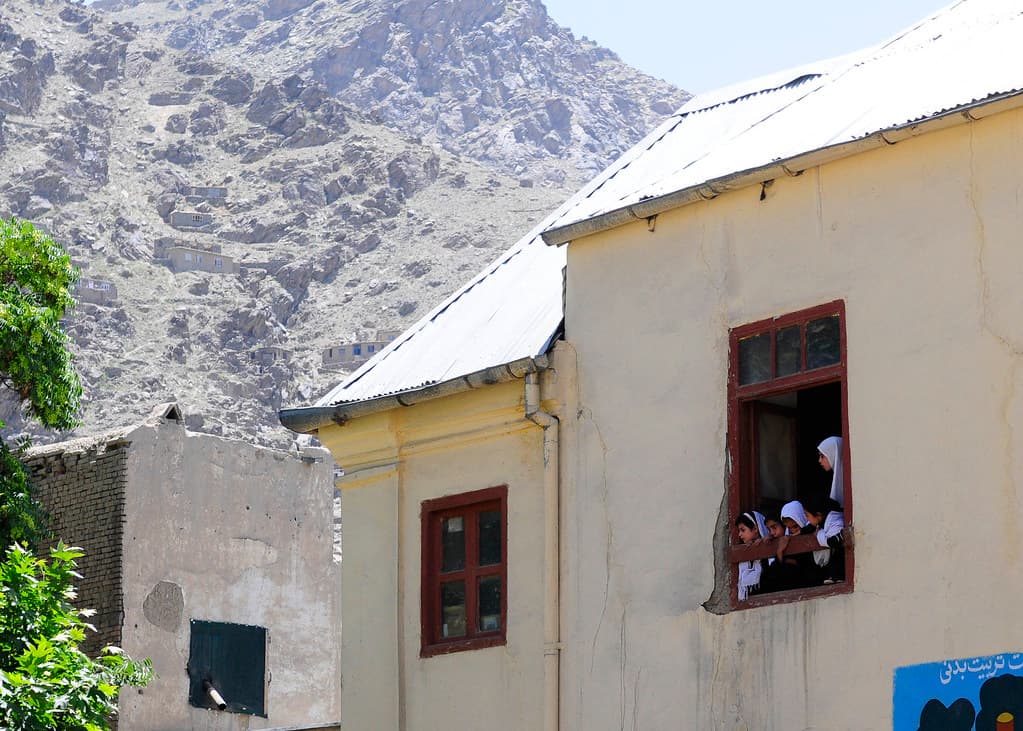
In June 2025, UN Women said nearly eight out of 10 young Afghan women were excluded from education, employment or training. That data came nearly four years after the Taliban returned to power in August 2021, when the Afghan government collapsed after U.S. forces withdrew.
By August 2025, Afghanistan’s women faced near-total exclusion from public life. UNESCO said 2.2 million girls were still banned from school, including secondary education. UNICEF warned that restrictions on girls’ education and women’s employment could cost Afghanistan more than 25,000 female teachers and health workers by 2030.
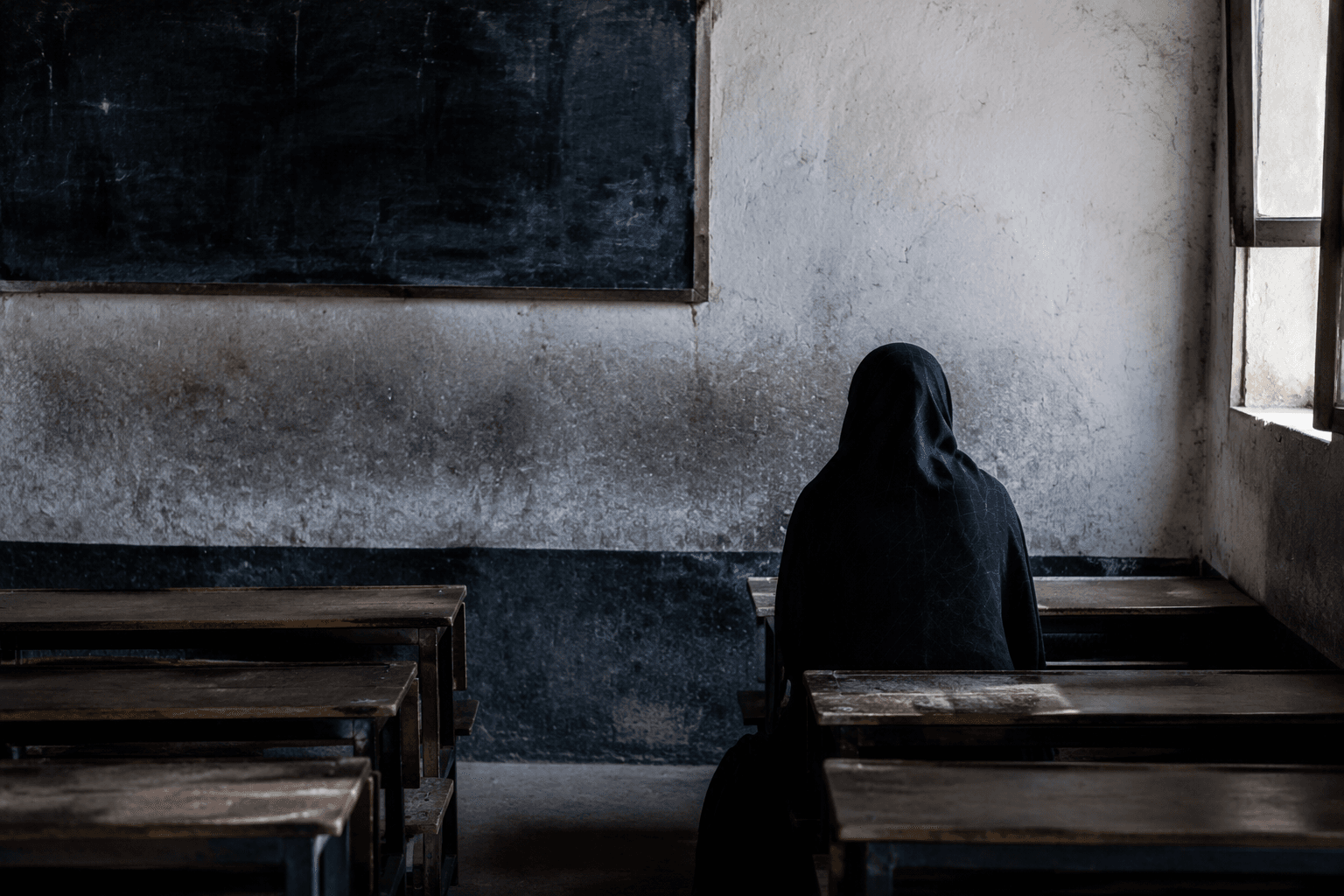
UN experts said in March 2023 that 20 years of progress on women’s and girls’ rights had been erased since the takeover. Human Rights Watch’s 2025 Afghanistan chapter documented continuing restrictions on women and girls as the Taliban expanded limits on schooling, work, movement, dress and participation in public life.
On April 1, 2022, Refugees International issued a roadmap focused on investing in Afghan women and girls, and the U.S. Policy Advocates for Afghan Women & Girls Working Group called in December 2022 for action to restore dignity, freedom and justice. Earlier, on July 1, 2021, the U.S. Committee for Refugees and Immigrants urged protection for U.S.-affiliated Afghans under the Special Immigrant Visa program.
Freedom House wrote to President Biden on Oct. 25, 2023, urging him to prioritize the relocation of Afghan women from Pakistan. It urged faster asylum and visa processing, direct support for Afghan women activists, teachers, lawyers, journalists and aides, and sanctions and aid rules with the exemptions needed for schools, clinics and women-led groups to keep operating.
This article was produced by Prism’s automated news system from verified source data, official records, and press releases, then run through automated quality and moderation checks before publishing. The system is built and supervised by the people who set the standards it runs under. Read our full AI policy.
Did this article answer your question?