Turkey says Black Sea shipping continues smoothly despite tensions
Turkey said ships were still moving smoothly through the Bosphorus and Dardanelles, even after permit delays and attack fears. Grain, fuel and insurance costs are at stake.
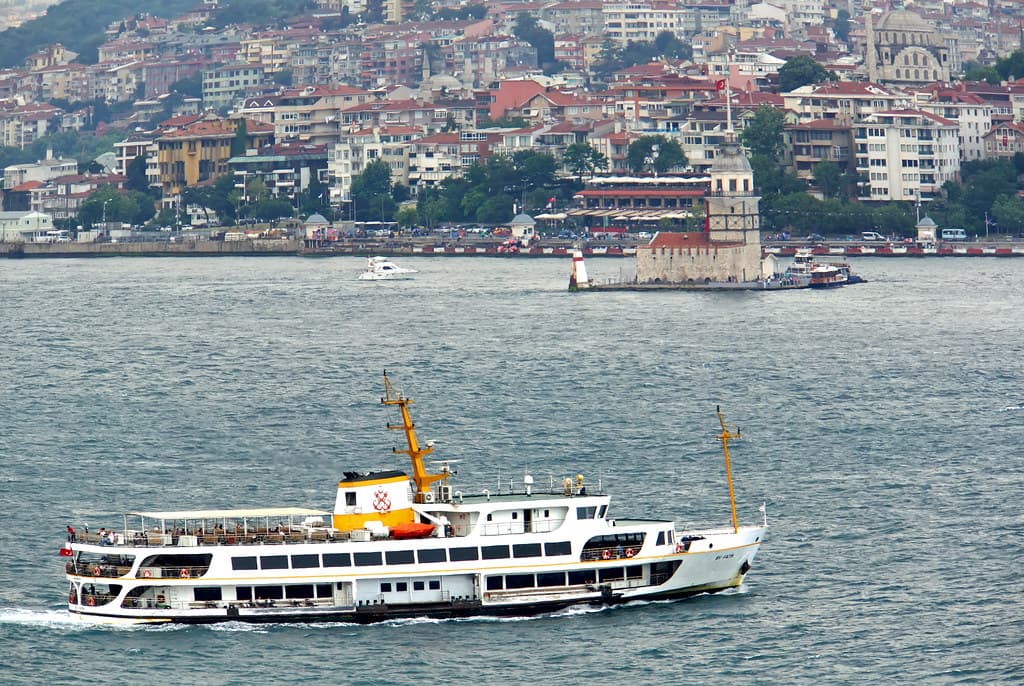
Ships were passing smoothly through the Turkish straits to the Black Sea on August 9, Turkish officials said, despite heightened concerns about safety in one of the region’s most sensitive waterways. The message pointed to continued commercial access through the Bosphorus and Dardanelles, two narrow channels Turkey controls.
The reassurance came after a brief burst of reports on August 8 and August 9 that Turkey had begun restricting some commercial ship traffic into the Black Sea by delaying or withholding transit permits through the Dardanelles Strait. Those reports linked the tighter posture to a surge in attacks on vessels and ports, underscoring how quickly access to the sea can be affected when security conditions deteriorate.
The stakes extend far beyond Turkey’s coast. The Black Sea is a major conduit for grain, fuel and industrial cargo, and any interruption can ripple through freight rates, insurance costs and commodity markets. Exporters and importers from Ukraine and neighboring states depend on predictable passage through the Turkish straits, where even short-lived slowdowns can change routing decisions and raise costs for shippers already watching for war-related risk.
Turkey’s Foreign Ministry says the Turkish Straits system, made up of the Istanbul Strait, the Çanakkale Strait and the Marmara Sea, is the only sea route linking the Black Sea to the high seas. Under the 1936 Montreux Convention, Turkey regulates passage and navigation through the straits, including warship transit, giving Ankara unusual leverage over access between the Mediterranean and the Black Sea. That control makes Turkey a gatekeeper for a corridor that is central to trade, energy flows and regional military calculations.
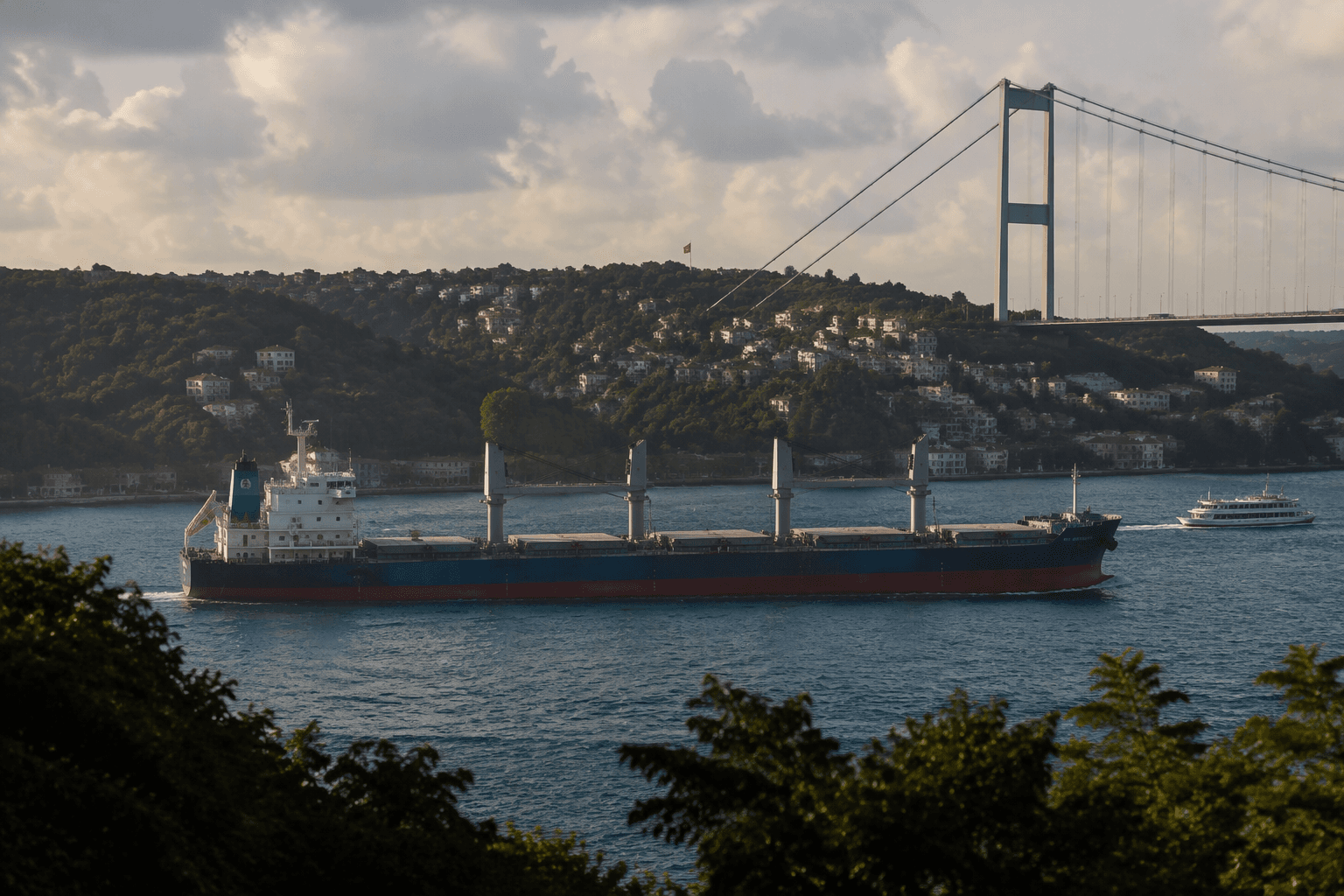
A file photo taken on August 6 showed the SAIPEM 7000, a semi-submersible crane vessel used for natural gas pipeline work, transiting the Bosphorus in Istanbul, a reminder that heavy maritime traffic continued to move through the corridor. Turkey’s position as a NATO member adds another layer to the balance it must strike between security and commerce, and the latest signal from Ankara was one of continuity. Even so, reports on August 8 and August 9 of interruptions in the Dardanelles tied to security concerns and forest fires showed how fragile that normalcy remains.
This article was produced by Prism’s automated news system from verified source data, official records, and press releases, then run through automated quality and moderation checks before publishing. The system is built and supervised by the people who set the standards it runs under. Read our full AI policy.
Did this article answer your question?