American Airlines passenger allegedly bites fellow flyer on flight to Philadelphia
A Charlotte-to-Philadelphia flight ended with a biting allegation, and the pilot asked for police and medics to meet the plane before landing.
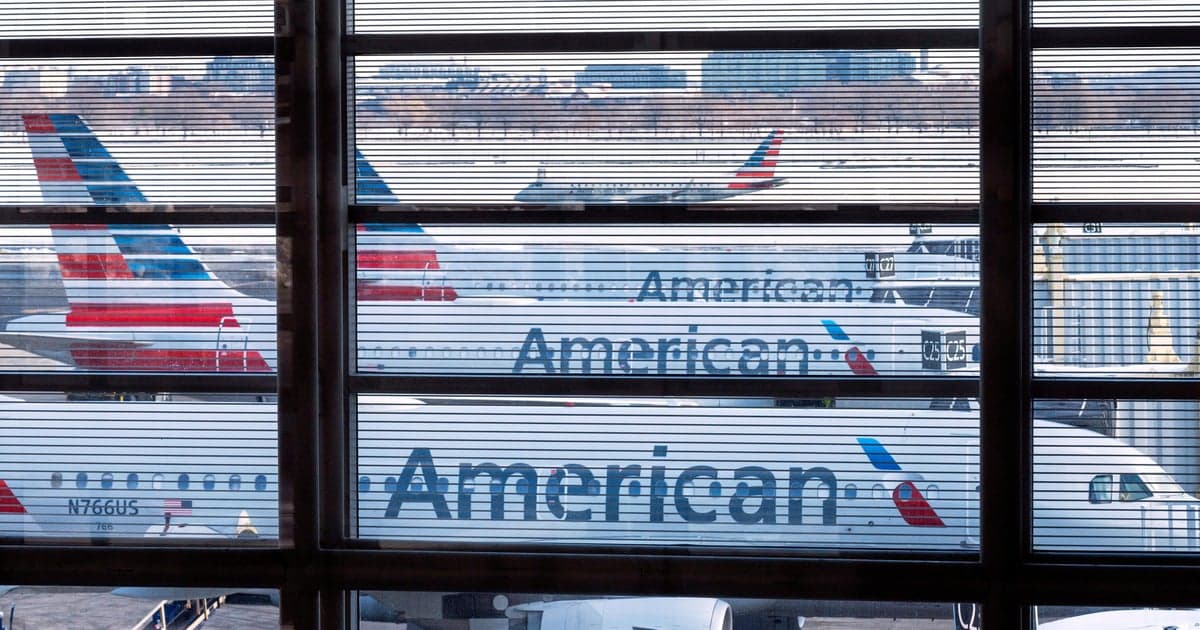
Airline crews are increasingly handling violent behavior in the air as a safety and law-enforcement problem before the wheels touch down. On an American Airlines flight from Charlotte, North Carolina, to Philadelphia, a pilot said a passenger bit another flyer and was “trying to fight everybody” as the plane approached Philadelphia International Airport.
The flight landed just before 10 a.m. ET on Sunday, June 21, 2026. The pilot asked air traffic control for emergency medical personnel and law enforcement to meet the aircraft on arrival “just as a precaution,” a sign of how quickly disruptive behavior can escalate from an in-cabin disturbance to a coordinated response on the ground. It was not immediately clear whether the unruly passenger was taken into custody.
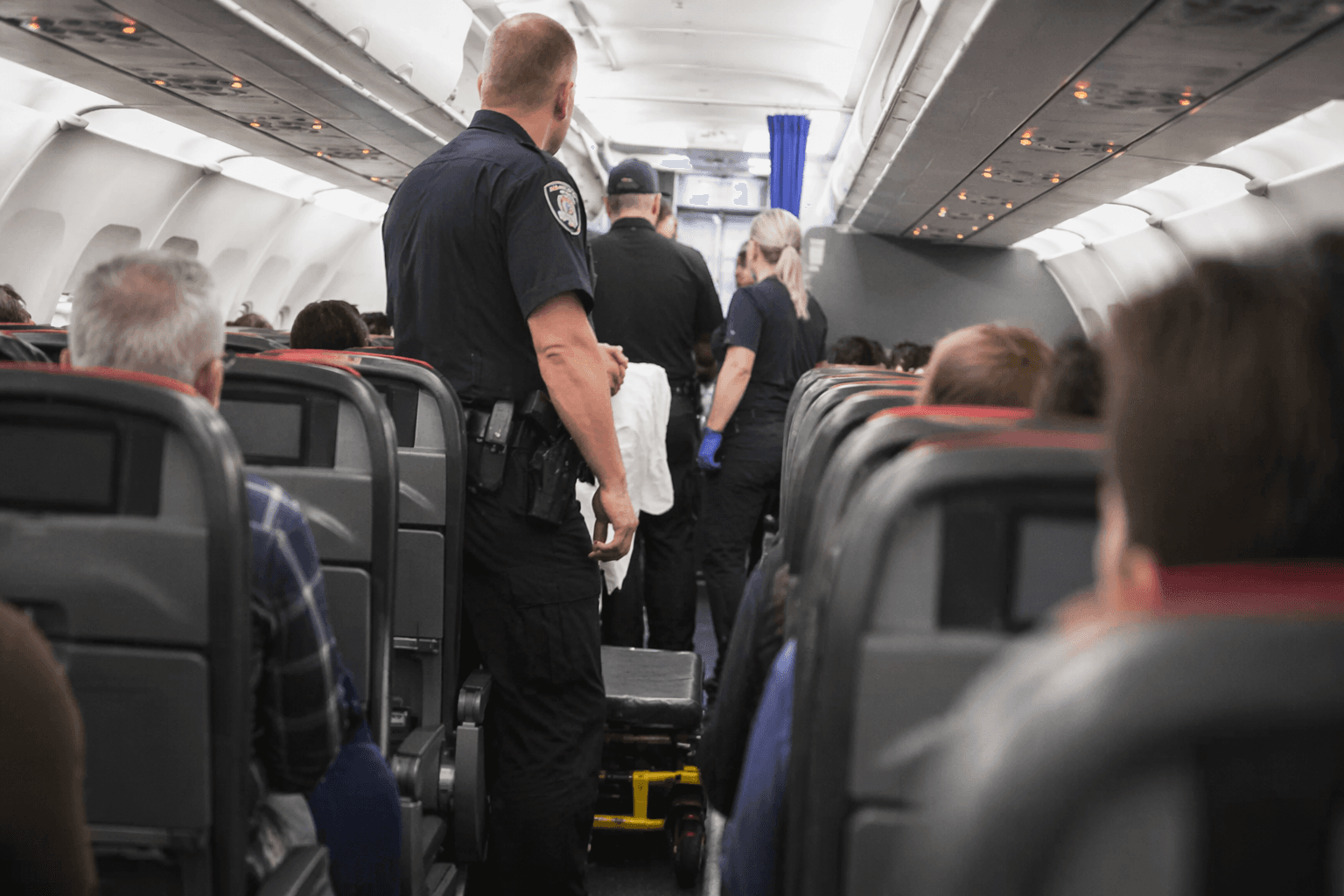
American Airlines had not immediately responded to a request for comment. The episode added to a series of recent in-flight disturbances that have kept attention on how crews, airports and federal authorities manage passengers who become violent before landing.
The Federal Aviation Administration says it has a zero-tolerance policy for unruly passenger behavior. In those cases, the agency can propose civil penalties of up to $43,658 per violation, and incidents can also be referred to the FBI. Depending on the conduct, the consequences can extend beyond fines to felony convictions or travel restrictions.
The FAA has said disruptive or violent behavior on planes has increased rapidly since 2021, even as its published data show the rate has fallen more than 80% from early-2021 highs. The International Air Transport Association reported a separate improvement in global unruly-passenger rates, from 1 incident every 307 flights in 2024 to 1 incident every 355 flights in 2025, based on 93,107 incident reports from more than 140 operators worldwide. The numbers suggest progress, but the Philadelphia flight shows how quickly a single encounter can still force a cockpit, cabin crew and law enforcement response to protect everyone on board.
This article was produced by Prism’s automated news system from verified source data, official records, and press releases, then run through automated quality and moderation checks before publishing. The system is built and supervised by the people who set the standards it runs under. Read our full AI policy.
Know something we missed? Have a correction or additional information?
Submit a Tip