Mentors step up for fatherless boys through Son of a Saint
Son of a Saint turns mentorship into a concrete support system for boys missing fathers, showing how stable adult guidance can widen futures and fill policy gaps.
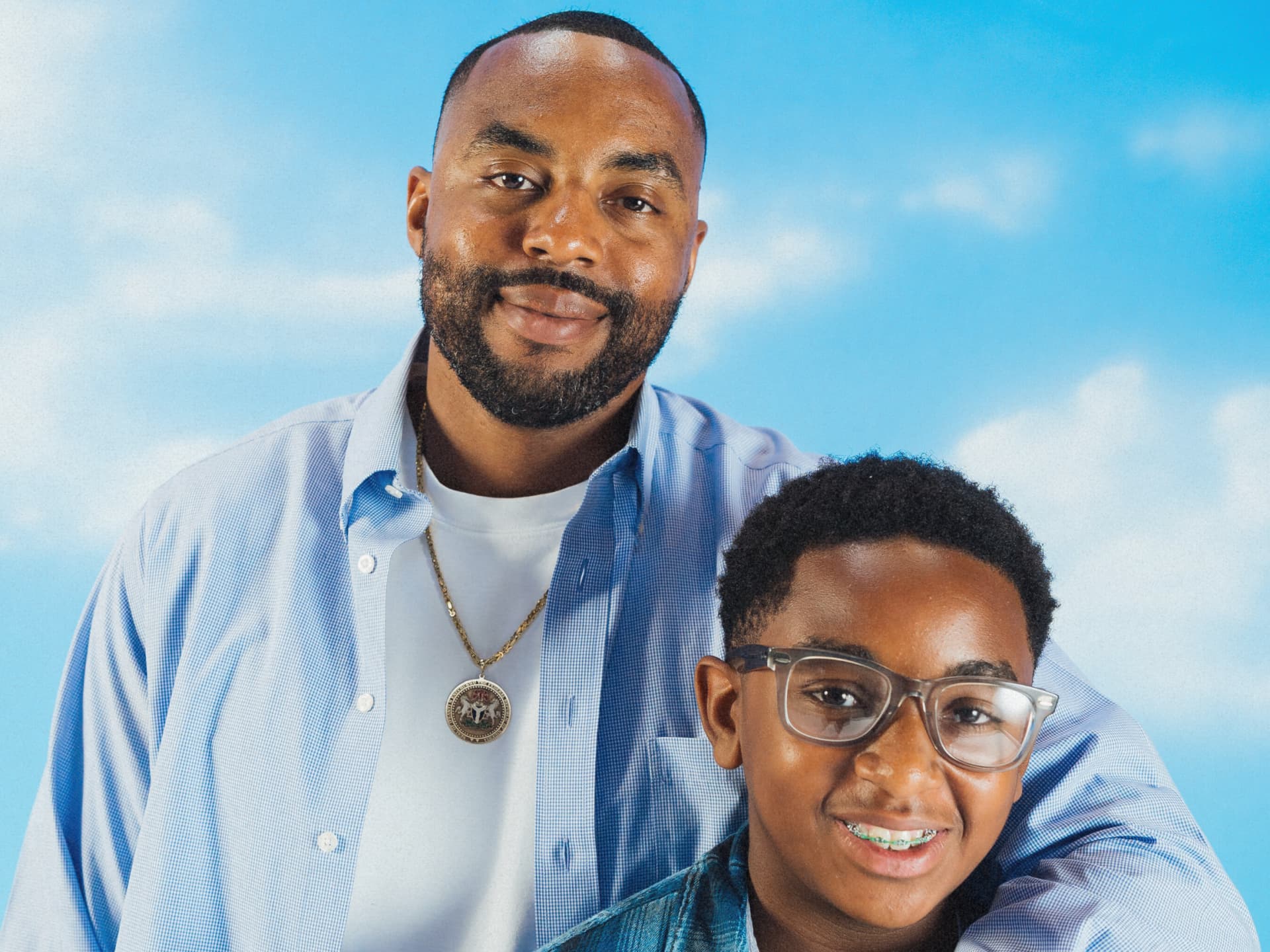
Charles M. Blow's call for adults to step up for boys without fathers lands with unusual force at Son of a Saint, where mentorship is built into a broader system of care. The New Orleans organization does not treat father absence as a single emotional wound; it responds with adults, structure, and long-term support designed to change daily life and long-term outcomes.
Why the model matters
Boyhood without a father figure often carries practical consequences that show up in school, behavior, confidence, and the ability to imagine a stable future. The CBS segment around Blow's visit frames that challenge plainly: boys who have lost fathers, or whose fathers are incarcerated, can benefit from guidance, correction, modeling of composure, and a sense of possibility from trusted adult men.
That matters beyond individual families. When communities build real supports around fatherless boys, they are also answering a public health question: what protects children from isolation, instability, and the discouragement that can follow repeated loss? Son of a Saint suggests the answer is not one mentor alone, but a network that can hold a young person across school, identity, and emotional development.
Inside Son of a Saint
Son of a Saint was founded in 2011 in New Orleans by Bivian “Sonny” Lee III, and its mission is deeply personal. Lee's father, Bivian Lee Jr., once played defensive back for the New Orleans Saints and died when Sonny was three years old. That loss helped shape an organization aimed at boys facing the same kind of absence, whether through death or incarceration.
The group says it has since grown to serve more than 700 young men and has raised over $50 million since its founding. A 2022 interview placed the organization at 200 mentees with an operating budget of more than $3 million, a snapshot that shows how much the program has expanded in scale and ambition over time.
CBS reported that Blow visited the group's headquarters in New Orleans' Bayou St. John neighborhood. The building now functions like a community center, with classes, meetings, and other supports, turning the organization into a place where boys can return regularly, not just a program they pass through.
What wraparound care looks like
Son of a Saint describes its work as more than mentorship. The organization says it provides wraparound care that includes academics, mental health support, and life-building skills, reflecting the reality that a fatherless boy's needs rarely fall into a single category.
That approach matters because vulnerable children often need multiple forms of stability at once. A young man who is struggling in class may also need emotional support, a reliable adult presence, and practical coaching about discipline, communication, and how to carry himself in difficult situations. In that sense, the program is doing more than offering encouragement. It is building a scaffold.
The emphasis on mental health is especially important. Boys are often taught to hide grief, anger, or confusion, particularly after the death or absence of a father. A program that creates space for those emotions while also insisting on standards can help prevent isolation from hardening into long-term harm.
How success should be measured
The measurable impact of a mentoring program cannot be captured only by head counts, though the numbers here are significant. Serving more than 700 young men and raising over $50 million signals reach, durability, and community trust. But the more meaningful question is how the program changes outcomes for the boys it serves.
A useful definition of success includes several layers:
- Consistent participation over time, not just one-time contact
- Improved academic engagement and better school behavior
- Stronger emotional regulation and confidence
- Reliable adult relationships that continue through adolescence
- Clearer plans for work, college, or other next steps
Those benchmarks help distinguish symbolic mentorship from effective mentorship. They also force a harder question: are programs helping boys become more stable because they have more support, or because they are being asked to navigate fewer failures in the systems around them? The answer is both.
What Blow's framing reveals about the broader gap
Blow's focus on adult men stepping in, including mentors, coaches, uncles, and community leaders, points to a larger social reality. Schools cannot replace family, and families cannot always absorb the damage of incarceration, death, or economic strain on their own. When father absence is widespread, mentorship becomes both an intervention and an indictment.
It is an indictment of the systems that leave too many boys to improvise their way through grief and identity without steady guidance. It is also an argument for community-based care that understands how social equity works in practice. Boys from neighborhoods carrying more trauma, more instability, and fewer institutional resources are often the ones most likely to be told to simply "be strong." Son of a Saint offers something more concrete than that.
Why New Orleans matters in this story
The organization is rooted in New Orleans, a city where family ties, neighborhood identity, and public institutions are often closely intertwined. That local grounding matters because it makes the program visible, accessible, and accountable to the community it serves. A headquarters that feels like a community center is not just a symbolic choice; it is a design decision about how boys move through support systems.
That design also shows how neighborhood-based organizations can fill gaps that larger systems often miss. A school may see grades. A clinic may see symptoms. A family may be stretched thin. A place like Son of a Saint can see the whole picture, and then respond with people, time, and consistency.
The larger lesson
Mentoring boys without fathers is not a sentimental project. It is a practical response to loss, incarceration, and disconnection, and Son of a Saint shows what that response can look like when it is sustained, resourced, and tied to real-world support. Blow's comments push the issue into public view, but the organization makes the deeper case: boys need more than advice.
They need adults who show up, systems that do not collapse under strain, and communities willing to invest in their future before crisis becomes destiny.
This article was produced by Prism’s automated news system from verified source data, official records, and press releases, then run through automated quality and moderation checks before publishing. The system is built and supervised by the people who set the standards it runs under. Read our full AI policy.
Know something we missed? Have a correction or additional information?
Submit a Tip