American Airlines raises $1.14 billion in aircraft-backed financing
American Airlines is tapping aircraft-backed debt again, raising $1.14 billion to fund deliveries and refinance older planes as fuel costs climb.
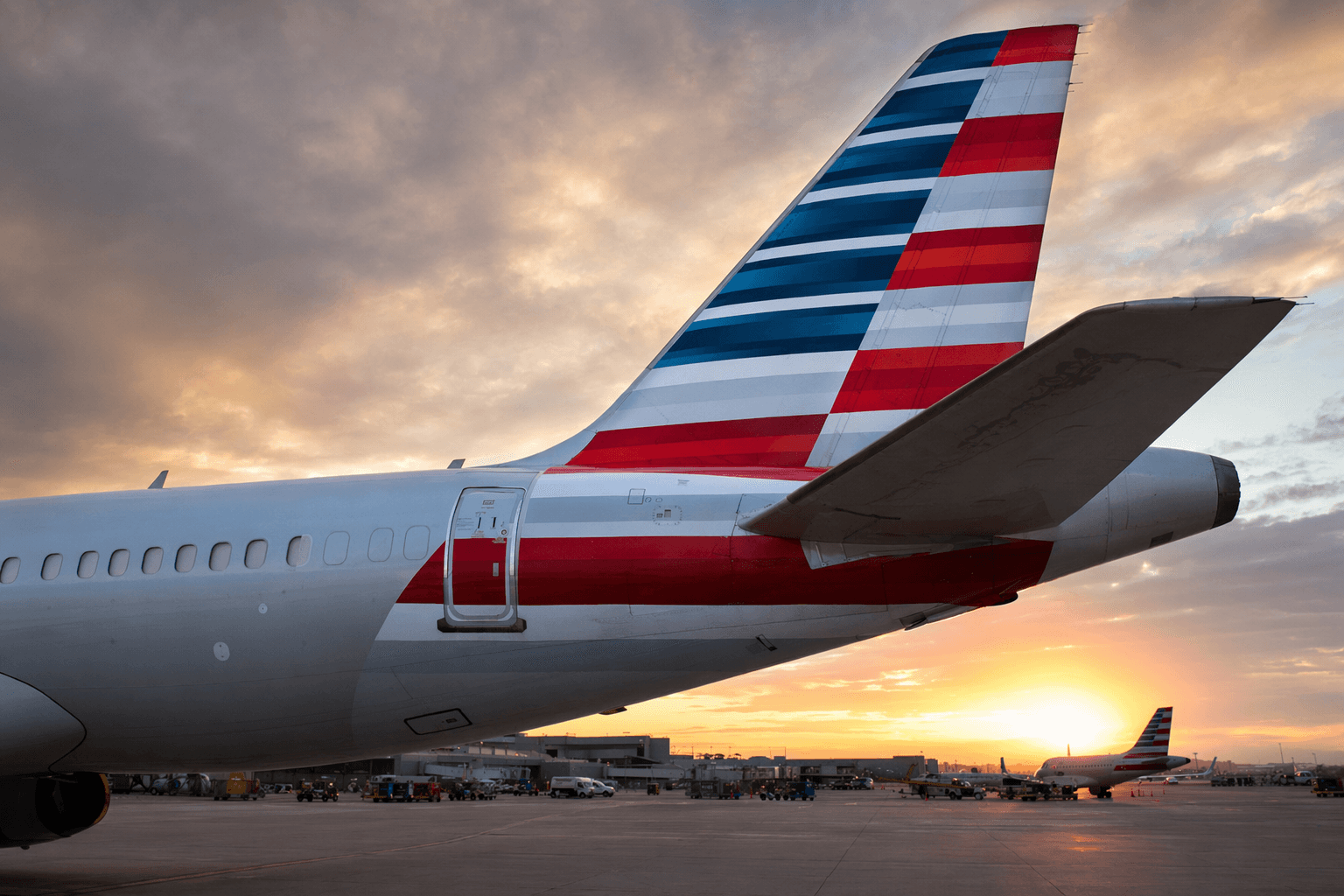
American Airlines is raising $1.14 billion through aircraft-backed securities, a financing move that gives the carrier fresh cash for new planes, refinancing and general corporate needs while it keeps a tighter grip on liquidity. The package is structured as an enhanced equipment trust certificate transaction, a familiar airline tool that lets carriers borrow against aircraft collateral instead of depending solely on operating cash flow.
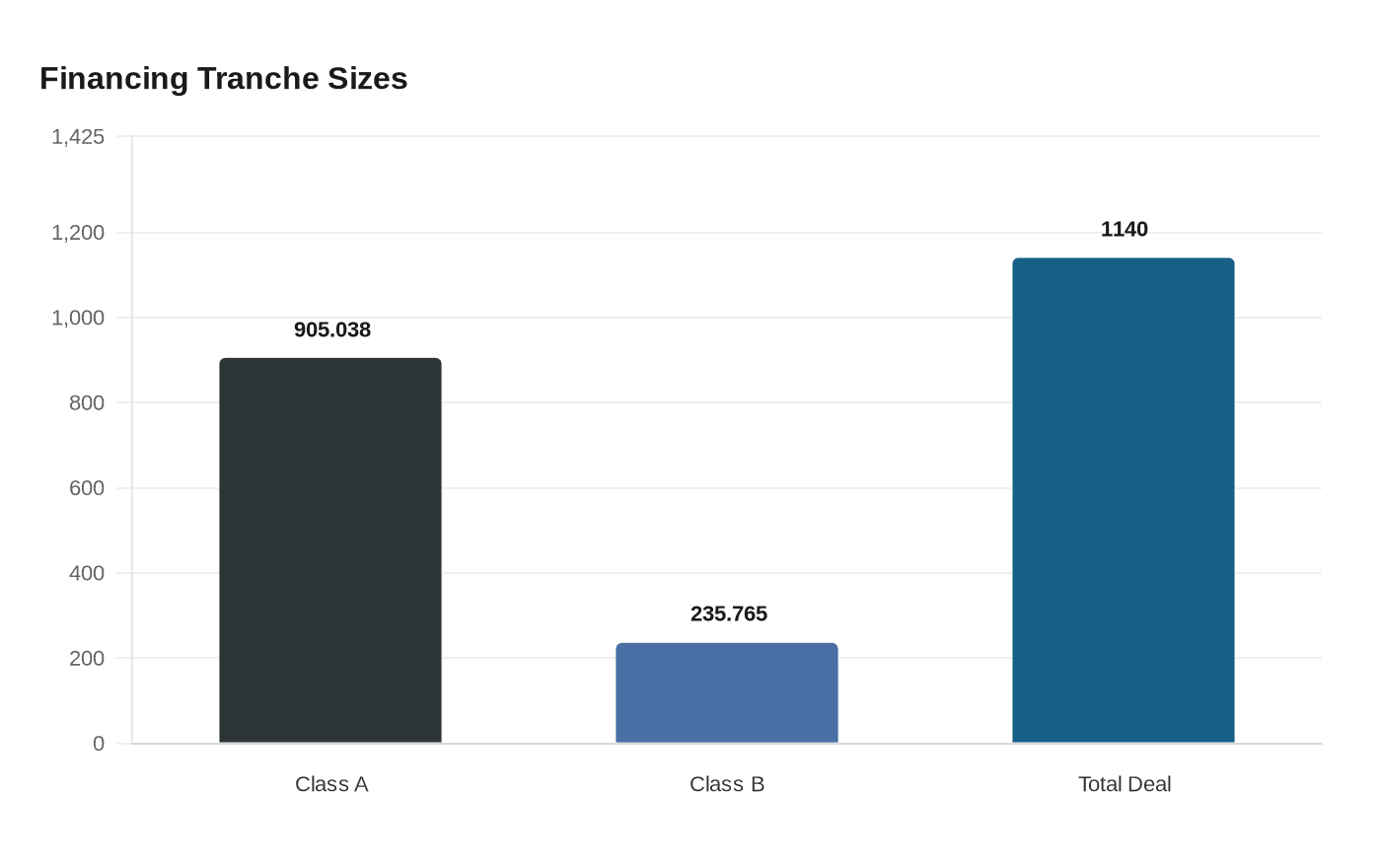
The deal is split into $905.038 million of class A certificates due in May 2040 and $235.765 million of class B certificates due in November 2036. Fitch Ratings said the financing is designed to support 17 aircraft, including 11 Boeing 737 MAX 8s and six Airbus A321XLRs delivered or scheduled for delivery between July 2025 and July 2026, while also leveraging 15 older aircraft, among them 12 A321-200s and three 777-300ERs delivered between April 2013 and November 2015. Bloomberg said the securities are collateralized by 32 new and existing American aircraft, with the longer tranche carrying an average life of 7.7 years.
The timing fits a carrier that is still generating substantial revenue but facing pressure on the expense side. American reported first-quarter revenue of $13.9 billion and a GAAP net loss of $382 million on April 23, then said total debt had fallen to $34.7 billion, the lowest level since mid-2015, with liquidity of $10.8 billion. On the same day, the company cut its 2026 earnings forecast and said its jet fuel bill was expected to rise by more than $4 billion this year, with second-quarter fuel assumed at about $4.00 a gallon.
That backdrop helps explain why aircraft-backed financing remains attractive. It allows American to secure funding tied to hard assets while preserving room to manage fleet turnover, refinance older obligations and keep deliveries moving even if demand softens. The airline returned to the EETC market in late 2025 with a roughly $1.1 billion transaction tied to 25 aircraft, underscoring how central asset-backed borrowing has become to its balance-sheet strategy. For a capital-intensive business like commercial aviation, the message is clear: access to the debt market remains as important as passenger demand, especially when fuel costs are rising faster than revenue growth.
This article was produced by Prism’s automated news system from verified source data, official records, and press releases, then run through automated quality and moderation checks before publishing. The system is built and supervised by the people who set the standards it runs under. Read our full AI policy.
Know something we missed? Have a correction or additional information?
Submit a Tip