Paramount Skydance seeks FCC approval for foreign-backed Warner Bros Discovery deal
Paramount Skydance asked the FCC to bless foreign backing for its Warner Bros. Discovery bid, putting ownership limits and media concentration under the microscope.
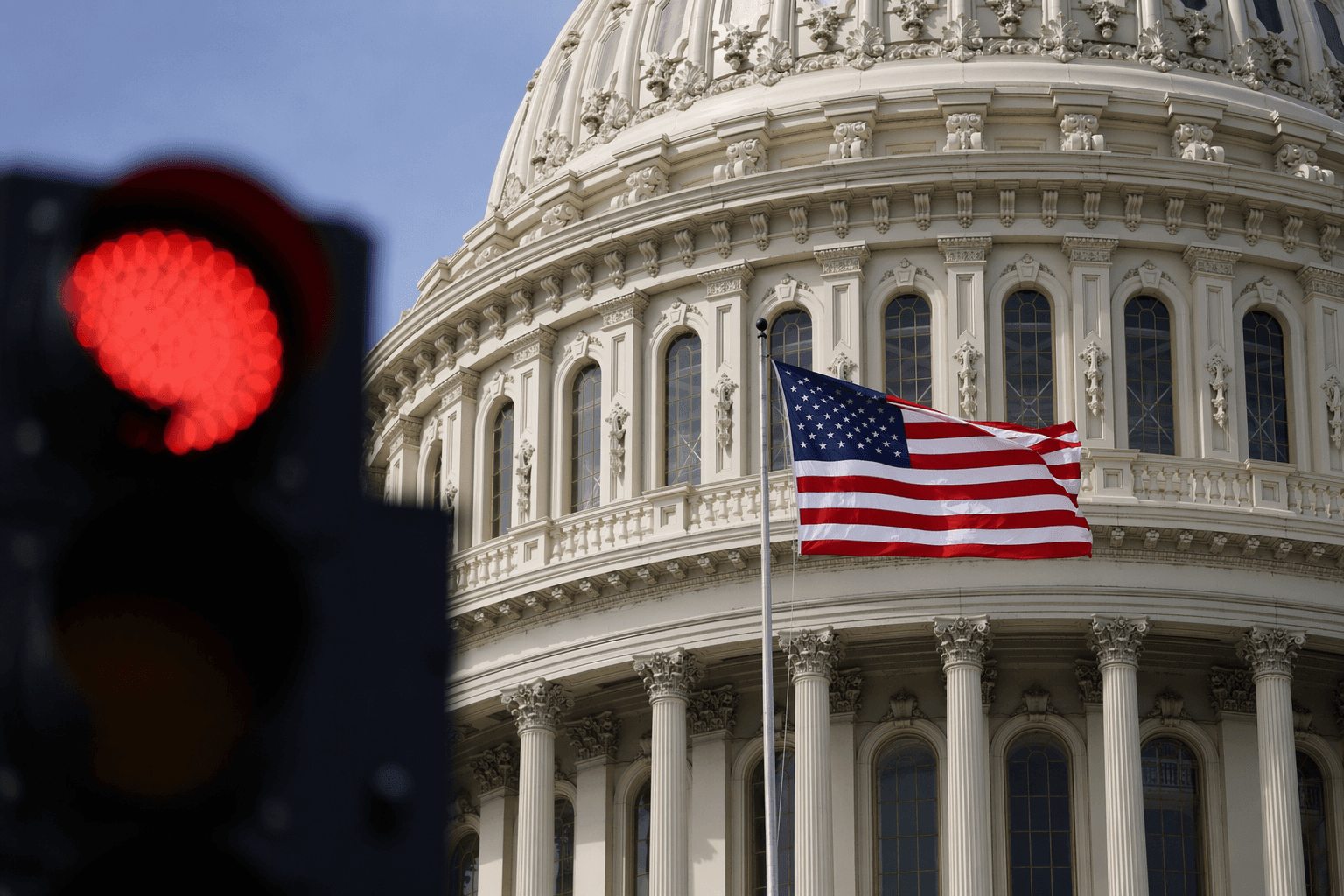
Paramount Skydance has asked the U.S. Federal Communications Commission to approve the foreign investments behind its bid for Warner Bros. Discovery, turning a blockbuster entertainment deal into a test of broadcast ownership rules, political scrutiny and how much foreign capital can sit behind a major American media company.
The filing, made April 24 under Section 310(b)(4) of the Communications Act, seeks a declaratory ruling allowing foreign ownership above the 25% benchmark that normally applies to broadcast license holders. Paramount also asked for specific approval of certain foreign investors above 5% stakes and advance approval for some non-controlling prospective investors to raise indirect interests to 20%. The FCC notice said Paramount operates 28 broadcast television stations in the United States through its licensee subsidiaries, which is why the agency must review the ownership structure even though the transaction is centered on media consolidation.
The company’s filing comes with a financing mix that has already drawn close attention in Washington. Reporting around the deal says the foreign equity stake is expected to land slightly below 50% of Paramount’s total equity, while voting control would remain with the family of Paramount chief executive David Ellison. The foreign backers named in the package include Saudi Arabia’s Public Investment Fund, Qatar Investment Authority and Abu Dhabi’s L’imad Holding Company, with the three Gulf sovereign wealth funds providing about $24 billion in equity support. Paramount has said those investors would not get governance rights such as board seats.

The regulatory clock is now running. The FCC set a May 27 comment deadline and a June 11 reply deadline, giving opponents and supporters a formal window to argue whether the deal should clear the public-interest standard tied to foreign ownership of U.S. broadcast licensees. That review is likely to examine not only whether the capital structure fits the rules, but also whether the transaction deepens concentration in a sector already dominated by a handful of companies that control news, streaming and premium entertainment.
The stakes widened after Warner Bros. Discovery shareholders approved the merger on April 23, valuing the company at $31 per share, a 147% premium to its unaffected price of $12.54. In March, seven Democratic senators led by Cory Booker pressed the FCC for a thorough review of the foreign investors backing the deal, pointing to financing linked to Saudi Arabia, Qatar, the United Arab Emirates and, at one point, Tencent. Paramount has also disclosed a Larry Ellison backstop for any equity shortfall, adding another layer of financing support to a deal that would put CNN, HBO Max and Warner Bros.’ film and television studios under one roof.
This article was produced by Prism’s automated news system from verified source data, official records, and press releases, then run through automated quality and moderation checks before publishing. The system is built and supervised by the people who set the standards it runs under. Read our full AI policy.
Did this article answer your question?