American Airlines slashes 2026 profit forecast as jet fuel prices surge
Jet fuel tied to the Iran war pushed American Airlines to slash its 2026 outlook, signaling higher fares, fewer choices and more pressure on U.S. travelers.
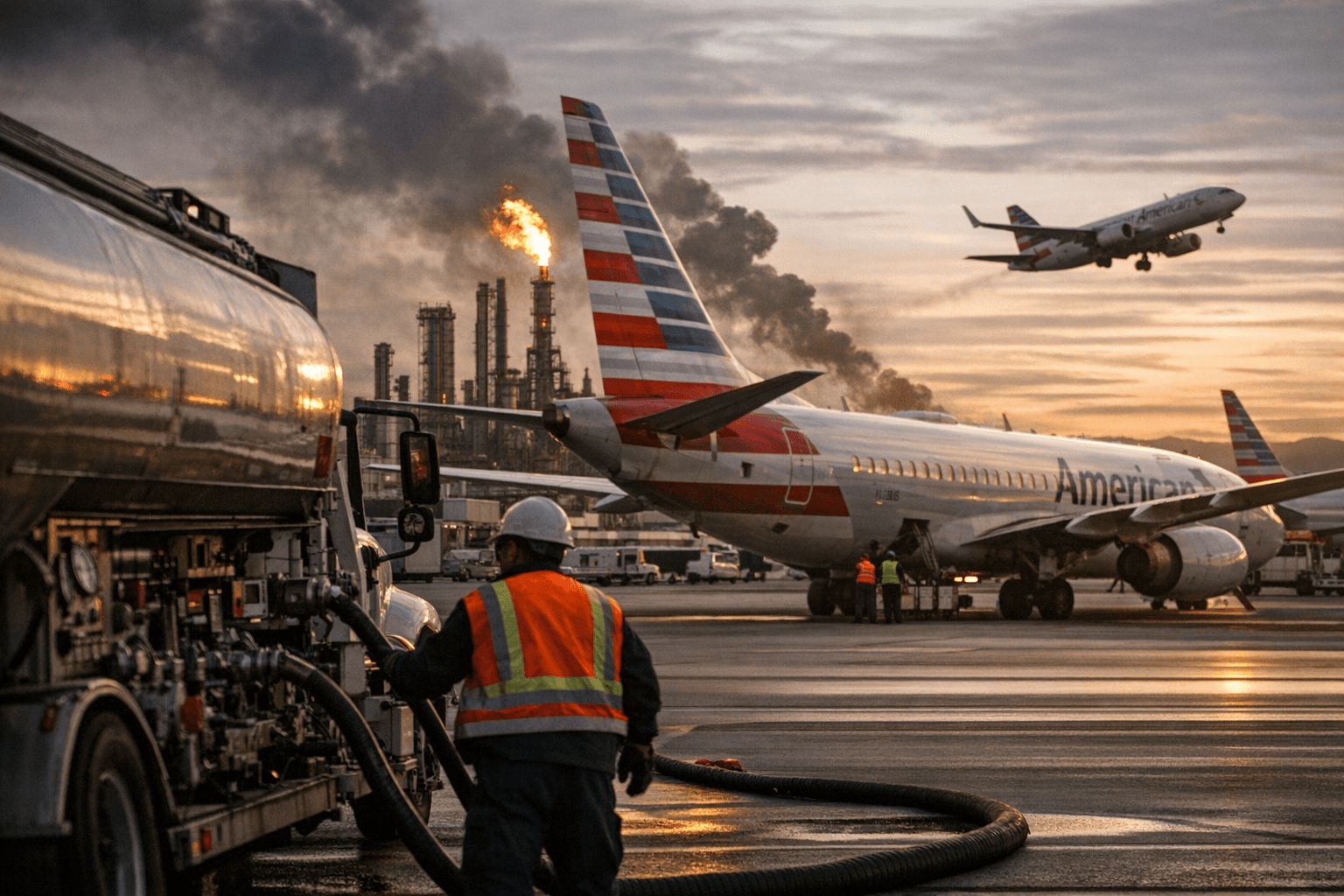
American Airlines’ latest warning points to a simple but costly problem for travelers: a geopolitical fuel shock is now working its way into domestic flying through thinner margins, higher fees and fewer scheduling choices before it fully shows up in ticket prices. The Fort Worth-based carrier said its 2026 adjusted earnings now could range from a 40-cent loss per share to a $1.10 profit, a sharp cut from its earlier forecast of $1.70 to $2.70. American also said its jet fuel bill is expected to rise by more than $4 billion this year.
The airline’s first-quarter results showed that demand was not the issue. American reported record revenue of $13.9 billion, a first-quarter GAAP net loss of $382 million, or 58 cents per share, and an adjusted loss of $267 million, or 40 cents per share. The company said winter storms reduced revenue by about $320 million, while pretax margin improved by nearly 2 percentage points from a year earlier. Chief Executive Robert Isom said American was still on track for another record second quarter and pointed to stronger premium-cabin unit revenue.
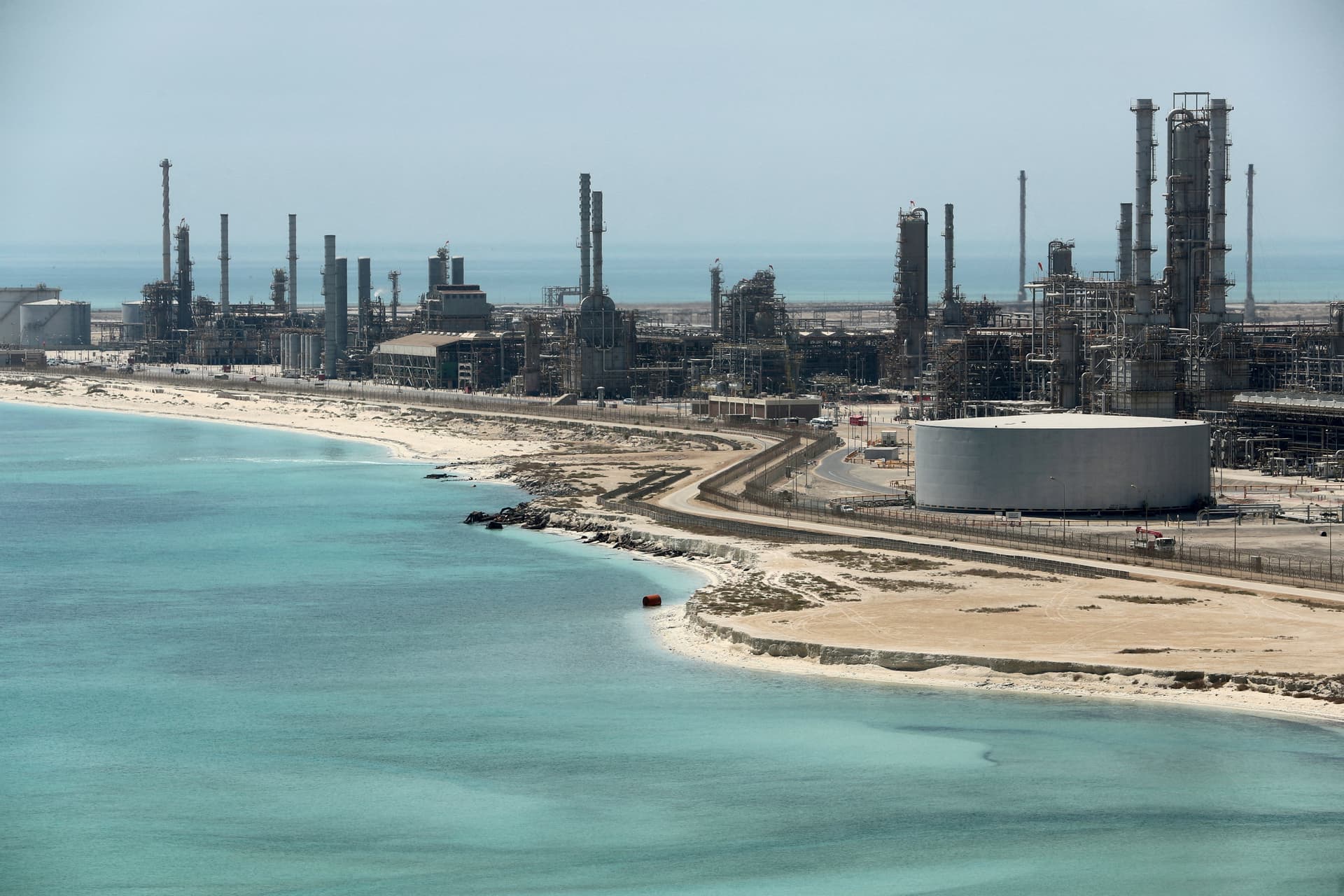
The problem is fuel. Jet fuel costs typically make up about a quarter of airline operating expenses, and prices have nearly doubled since the conflict with Iran erupted. Fuel has remained around $4 a gallon in the second quarter, after disruptions to traffic through the Strait of Hormuz rattled oil markets. That corridor is critical to global energy supplies, so even a brief disruption can quickly become a balance-sheet issue for airlines that sell many seats weeks or months in advance.
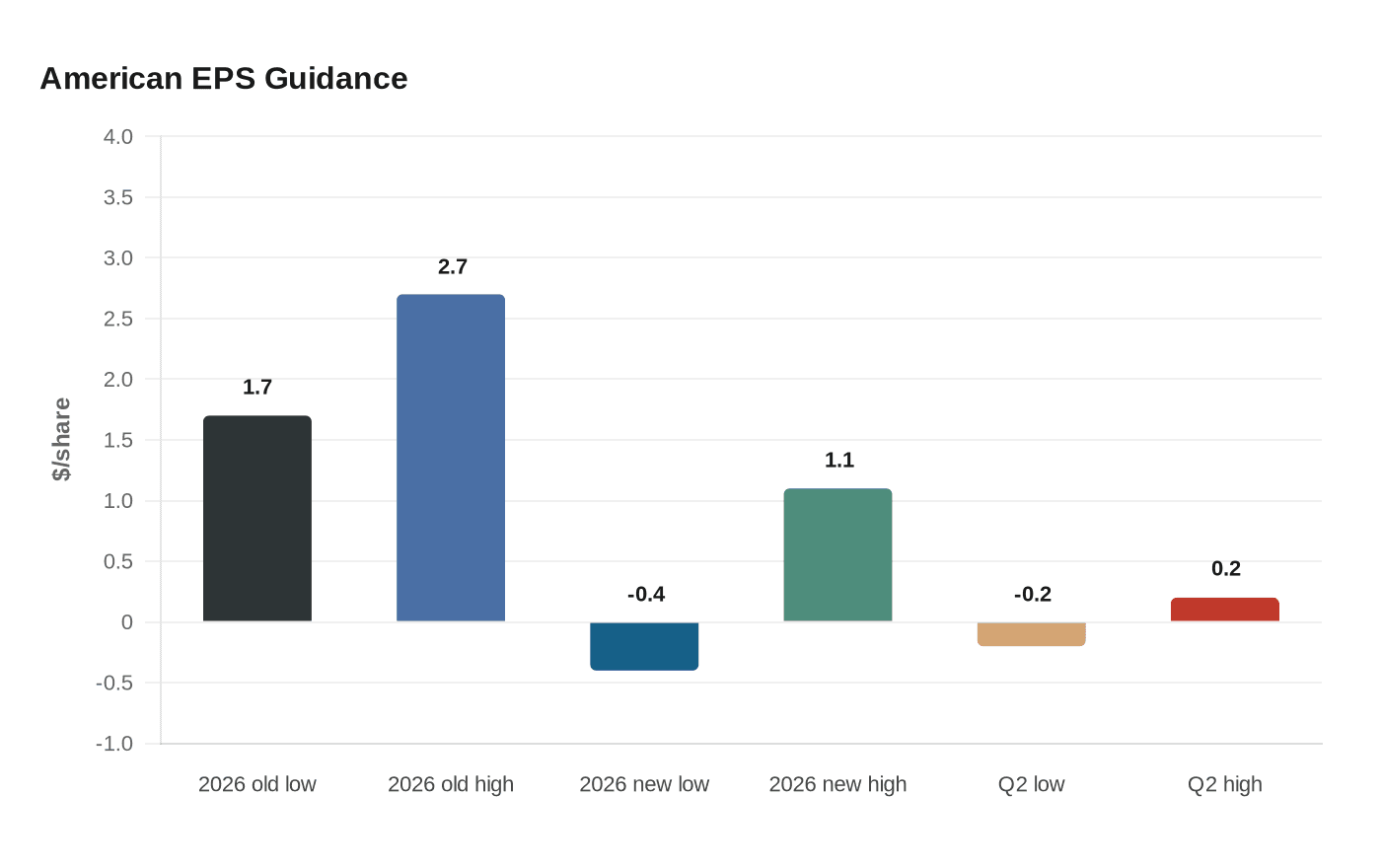
American said second-quarter adjusted earnings should land between a 20-cent loss and a 20-cent profit, and it said the midpoint of full-year guidance now implies performance that is roughly flat with 2025 despite the extra fuel burden. The company’s response is the same one already visible across the industry: fare increases, capacity cuts and higher ancillary charges, including bag fees. For consumers, that means the first damage from a fuel spike can be fewer options and less schedule flexibility, not just a higher posted fare.
American’s warning is part of a broader repricing across aviation. Alaska Air Group withdrew its full-year profit forecast on April 20 after fuel costs tied to the Iran war jumped, and United Airlines Chief Executive Scott Kirby said a 15% to 20% fare increase may be needed to offset the surge. The message for the industry is clear: when Middle East tensions move oil markets, airline economics move with them.
This article was produced by Prism’s automated news system from verified source data, official records, and press releases, then run through automated quality and moderation checks before publishing. The system is built and supervised by the people who set the standards it runs under. Read our full AI policy.
Did this article answer your question?