Warner Bros. Discovery shareholders approve Paramount Skydance merger deal
Warner Bros. Discovery shareholders overwhelmingly backed Paramount Skydance’s $110 billion merger, pushing the deal into the regulatory gauntlet.

Warner Bros. Discovery shareholders gave overwhelming approval to Paramount Skydance’s $110 billion merger plan, clearing a major checkpoint in a deal that would hand investors $31.00 in cash a share and reshape the competitive fight among legacy studios and streaming platforms.
At the company’s Special Meeting of Stockholders on April 23, Warner Bros. Discovery said the preliminary count showed investors voted overwhelmingly in favor of the transaction. The final results will be certified and filed with the U.S. Securities and Exchange Commission. Warner Bros. Discovery said it expects the deal to close in the third quarter of 2026, pending customary closing conditions and regulatory clearances.
The terms show why shareholders signed on. Warner Bros. Discovery investors are set to receive $31.00 per share in cash, a 147% premium to the company’s unaffected stock price of $12.54. If the merger has not closed by September 30, 2026, a ticking fee of $0.25 per share will accrue each quarter until completion, adding pressure to finish the deal on schedule.
The vote had already been endorsed unanimously by the boards of Warner Bros. Discovery and Paramount Skydance Corporation. On February 26, Warner Bros. Discovery’s board determined Paramount’s revised $31-per-share all-cash offer was a “Company Superior Proposal,” after previously weighing and moving away from a Netflix transaction. That decision set up the final shareholder vote as a referendum on whether scale and balance-sheet firepower can give two struggling media giants a better shot at survival.
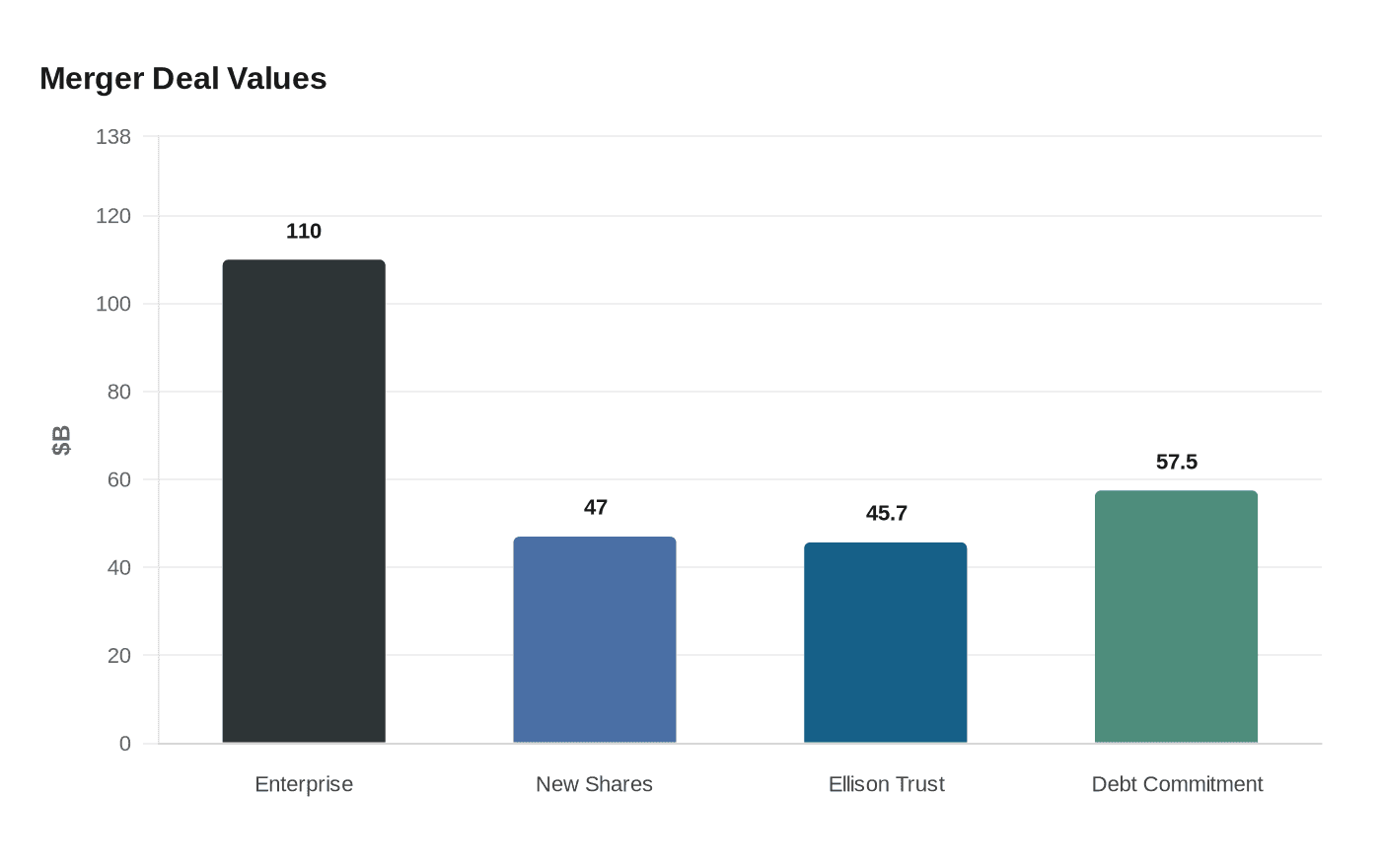
Paramount has said the transaction values Warner Bros. Discovery at an enterprise value of $110 billion, backed by a $47 billion issuance of new Class B shares, a $45.7 billion equity commitment from the Ellison Trust and a $57.5 billion debt commitment. The combined company says it plans to produce at least 30 theatrical films a year, a sign that the merger is meant to preserve big-screen output even as streaming continues to compress margins across Hollywood.
The shareholder approval now shifts attention to regulators, who will decide whether the deal’s promise of a next-generation global media and entertainment company outweighs concerns about concentration in a business already dominated by a few large players. For consumers, the outcome could shape everything from subscription options to the future of franchise-heavy studio brands such as Game of Thrones, Harry Potter, Top Gun, the DC Universe and SpongeBob SquarePants.
Sources:
Know something we missed? Have a correction or additional information?
Submit a Tip