BMW unveils 2027 7 Series with EV, hybrid and gas options
BMW's flagship sedan now spans EV, gas and plug-in hybrid power, a sign the luxury market still wants flexibility as charging improves.
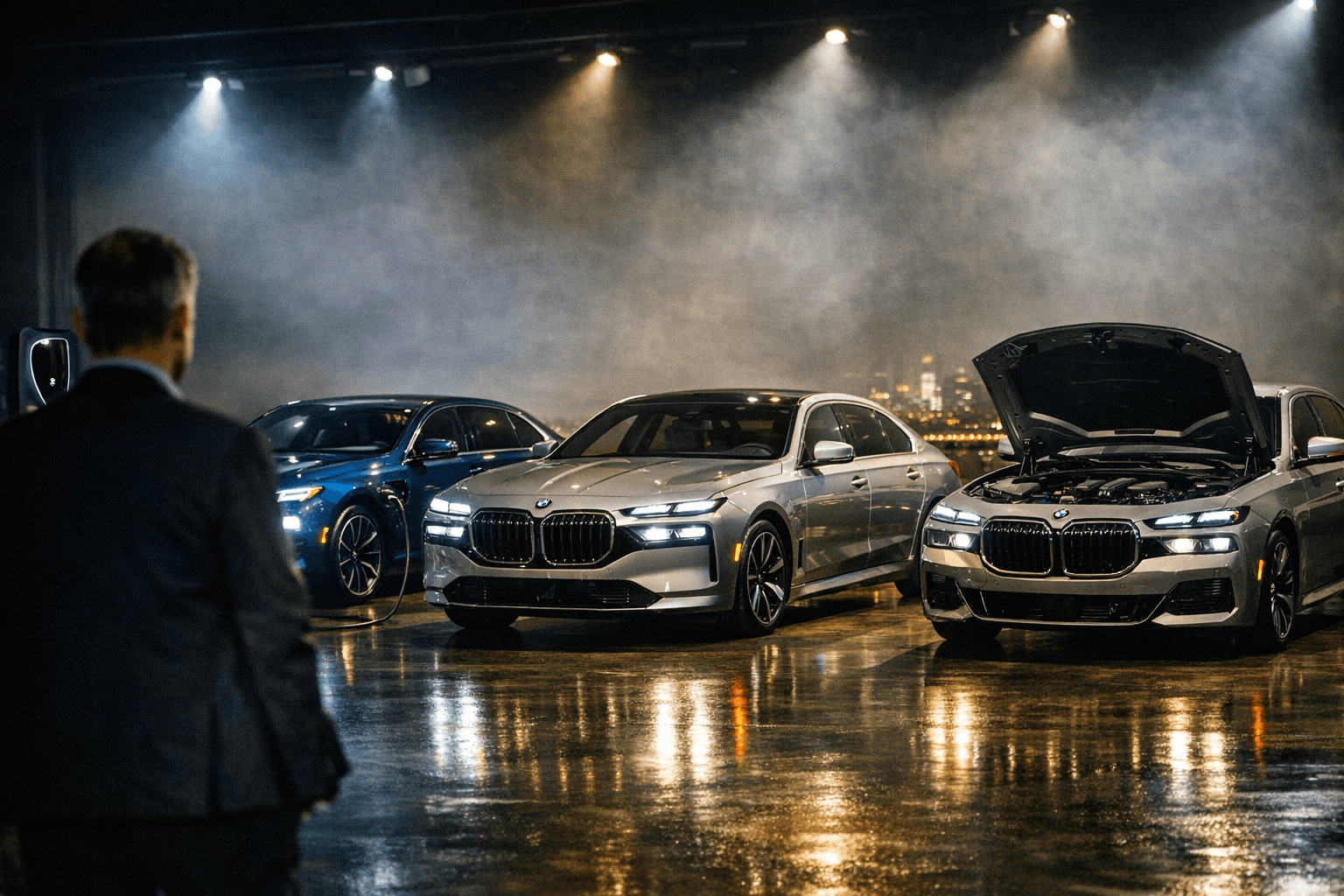
BMW unveiled the 2027 7 Series with an unusually broad powertrain lineup, a sign that even at the top of the luxury market, electrification is advancing unevenly. The seventh-generation flagship arrives as the first luxury sedan to bring Neue Klasse technologies into an existing BMW model line, but it will still be sold as an all-electric i7 50 xDrive and i7 60 xDrive, alongside gasoline-powered 740 and 740 xDrive versions.
That mix says as much about buyer behavior as it does about engineering. BMW is not betting the flagship on a single propulsion path. Instead, it is keeping EV, combustion and plug-in hybrid options alive at the same nameplate, a pragmatic response to uneven charging access, long-distance driving needs and the fact that many premium buyers are still comparing convenience against the appeal of zero-emission driving. The 750e xDrive plug-in hybrid is scheduled to follow in the first quarter of 2027, and a V8-powered M Performance model will arrive later.
BMW said the 2027 7 Series is the most extensive model update it has ever carried out, and the company is positioning it as a technology transfer point for future BMW model lines. Production will begin in July 2026 at BMW Group Plant Dingolfing in Lower Bavaria, which BMW says is the world’s only production facility for the 7 Series. The model has been in production since 1977, giving the flagship a 49-year run by 2026 and underscoring how central it remains to BMW’s brand identity.
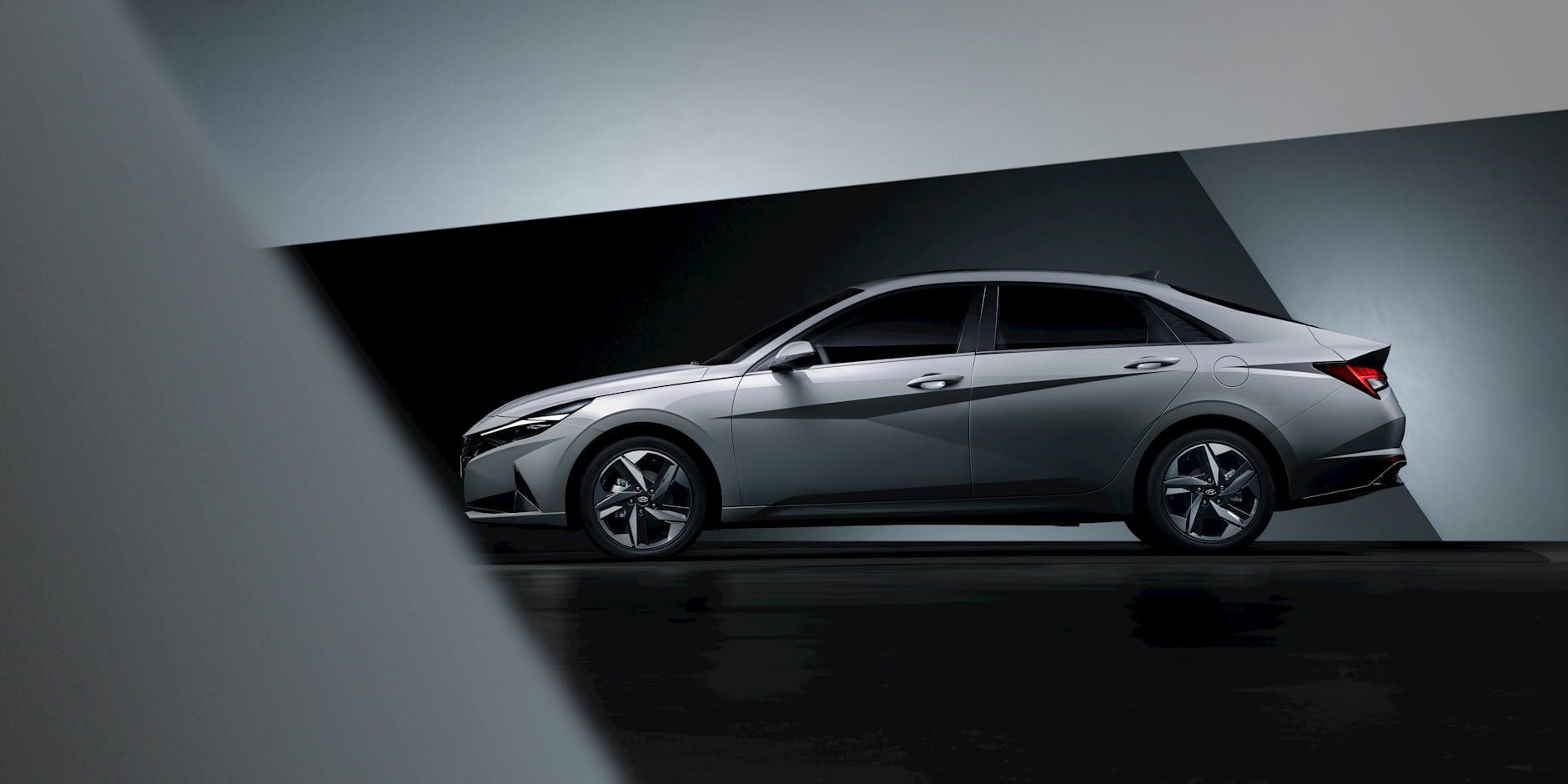
The most important technical change sits in the updated i7. BMW said the electric version uses a newly developed high-voltage battery co-developed with Rimac Technology in Croatia, built around BMW’s Gen6 cylindrical cells. BMW says those cells deliver 20% higher volumetric energy density than the outgoing Gen5 prismatic cells, a change that should translate into more range and faster charging. In a market where luxury-car buyers want both performance and fewer compromises, that battery upgrade may matter as much as the styling.
Taken together, the new 7 Series points to the path premium automakers are taking now: electrification is no longer a question of if, but of pace. BMW is widening the menu rather than narrowing it, betting that the flagship customer still wants choice while the industry works through the practical limits of the transition.
This article was produced by Prism’s automated news system from verified source data, official records, and press releases, then run through automated quality and moderation checks before publishing. The system is built and supervised by the people who set the standards it runs under. Read our full AI policy.
Did this article answer your question?

