American Cancer Society adds first blood test for colorectal cancer screening
A blood test may bring more people into screening, but Shield still misses most precancerous growths and positive results need colonoscopy.
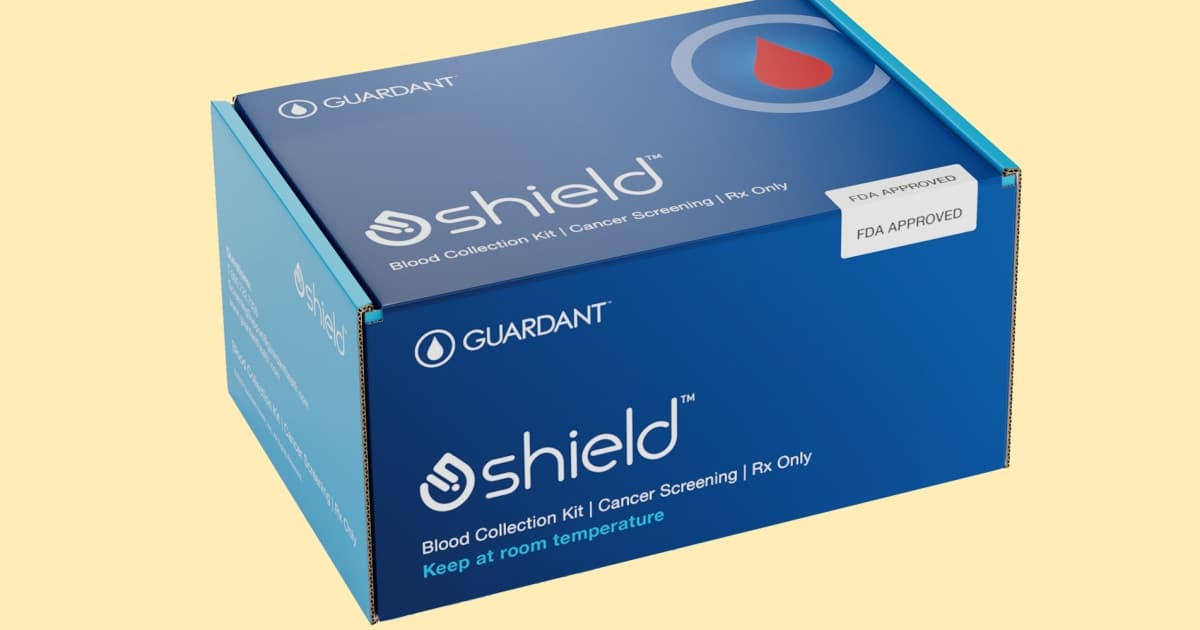
The American Cancer Society is betting that convenience can close one of cancer care’s most persistent gaps: whether a simple blood draw can bring in adults who keep putting off colorectal screening. Its updated guideline, released May 27, 2026, added Guardant Health’s Shield blood test to the screening options for average-risk adults starting at age 45 and continuing through age 75 if life expectancy is more than 10 years, while also adding one updated and one new at-home stool test. ACS still calls colonoscopy the gold standard and says the blood test is meant for people who cannot or will not use the more effective screening methods.
The change lands in a country where about one-third of eligible Americans are not up to date on colorectal cancer screening, leaving more than 20 million people unscreened. That matters because colorectal cancer is now the nation’s top cause of cancer death in adults under 50, a reminder that a disease long associated with older patients is showing up earlier and too often after delays in care. Dr. Robert Smith, the American Cancer Society’s senior vice president for early cancer detection science, said, “We need to increase our emphasis on colorectal cancer as a highly preventable disease as much as a treatable one.”

Shield is the first blood test approved by the Food and Drug Administration for primary colorectal cancer screening in average-risk adults 45 and older. In the studies cited by the National Cancer Institute, it detected colorectal cancers in more than 83% of cases, but its sensitivity for precancerous growths was only about 13%, far below what colonoscopy can do when it finds and removes polyps before they turn cancerous. That tradeoff is the heart of the new debate: the test may be better than no screening at all, but it is not a substitute for colonoscopy or stool testing. As Asad Umar of the National Cancer Institute put it, the most critical question is whether the test “has an impact on preventing colon cancer deaths.”
The American Gastroenterological Association says blood tests are substantially better than no screening when repeated every three years, but still prevent fewer cancers and deaths than FIT, Cologuard or colonoscopy. That warning carries a policy consequence: insurance coverage may not automatically follow the ACS update, because many plans look to the U.S. Preventive Services Task Force, which has not issued a blood-test recommendation for colorectal screening. For now, Shield offers another door into screening, but it also raises the risk of missed precancerous disease and a new round of follow-up confusion if patients do not understand that a positive blood test still leads to colonoscopy.
This article was produced by Prism’s automated news system from verified source data, official records, and press releases, then run through automated quality and moderation checks before publishing. The system is built and supervised by the people who set the standards it runs under. Read our full AI policy.
Did this article answer your question?